
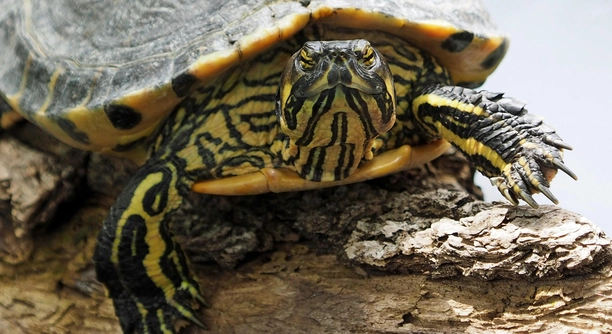
Yellow-bellied sliders are a popular species of turtle known for their colorful markings and aquatic lifestyle. They are often kept in home aquariums alongside other creatures. One common question is whether they can coexist with snails.
Yellow-bellied sliders can live with snails in the same environment, provided the tank is large enough to accommodate both species. However, careful attention is needed to ensure the snails are not preyed upon and the environment is safe.
Understanding their dietary habits and habitat preferences will help ensure a peaceful coexistence. This will also allow both species to thrive in a shared aquarium.
Can Yellow-Bellied Sliders Coexist with Snails?
Yellow-bellied sliders are known for being semi-aquatic and often live in ponds, lakes, or aquariums. They are typically peaceful creatures but can be opportunistic feeders. When placed with snails in a shared tank, the main concern is whether the sliders will eat the snails. While they may not actively hunt snails, the smaller species can sometimes become prey if the turtle feels hungry. The larger the tank, the better the chances of keeping both species together successfully. You’ll also need to ensure there are enough hiding spaces for snails to escape the turtles’ attention.
Maintaining a suitable environment for both creatures requires attention to their specific needs. Snails prefer calm water with plenty of places to hide, such as plants or rocks. This can help prevent the turtles from easily finding them. Also, the water temperature should remain constant and within the recommended range for both species.
When introducing snails into a turtle tank, be sure to monitor the interactions. You might notice the sliders occasionally nipping at the snails, but this is usually due to curiosity or hunger. Over time, with proper care and space, the risk of harm can be reduced. If you notice the snails being consumed, it may be time to separate them.
Tank Size Matters
The size of the tank is crucial for ensuring both species thrive. A larger tank provides more space, making it easier for the snails to avoid the turtles.
The more space the snails have, the better the chance they’ll be left alone. This allows them to thrive without being constantly threatened. It’s also helpful to introduce plants and decorations that offer hiding places for the snails, which can keep them safe and reduce stress.
Tank Maintenance for Both Species
Keeping the tank clean is essential when housing both turtles and snails together. A well-maintained environment helps prevent disease and ensures both species thrive. Regular water changes and proper filtration are key. It’s important to remove any leftover food quickly to avoid water pollution, which can harm both creatures.
Snails help keep the tank cleaner by eating algae and detritus. However, their presence can also introduce waste, which means more frequent water changes. Monitor the tank’s pH and temperature to ensure it remains balanced. Proper filtration will prevent the buildup of harmful substances that could affect the health of both animals.
Diet Considerations
Turtles are omnivores, meaning they will eat both plants and small animals, including snails. To prevent this, it’s crucial to provide them with a balanced diet, consisting of pellets, leafy greens, and occasional protein sources like fish or worms.
A varied diet for your turtle helps reduce its hunting instinct. Snails, on the other hand, need calcium to maintain their shells. Providing calcium-rich foods like spinach and calcium supplements will help them stay strong. Be mindful of the turtle’s feeding habits, as it may still show interest in snails if hungry.
Tank Setup
A proper tank setup can make a huge difference in keeping your yellow-bellied slider and snails safe. Be sure to include plenty of hiding spots for the snails, such as rocks and plants. This gives them a chance to escape if the turtle becomes too curious.
Also, include a basking area for the turtle to dry off and warm up. This allows the turtle to rest and reduces its chances of being overly aggressive toward the snails. Having a good balance of land and water is vital for both species to live comfortably.
Water Quality
The water quality is crucial for both species. Snails can be sensitive to changes in the water’s pH, hardness, and temperature. Keeping the water clean and stable helps ensure the health of both the slider and the snails.
Use a reliable filtration system to maintain water clarity. Regular water tests will help you stay on top of any imbalances. It’s also a good idea to remove any uneaten food promptly, as it can degrade water quality quickly and create a harmful environment.
Snail Safety
Snails can sometimes become stressed or even hurt if the turtle becomes too aggressive. If you notice the turtle actively chasing or biting the snails, it may be best to separate them temporarily. Snails are delicate creatures and cannot defend themselves against a hungry slider.
FAQ
Can yellow-bellied sliders eat snails?
Yellow-bellied sliders are omnivores, which means they can eat both plants and animals, including snails. In their natural habitat, they may consume smaller creatures like snails if available. In a tank, if the turtles are hungry and the snails are small enough, the turtles may attempt to eat them. To prevent this, ensure that the turtles are well-fed with a balanced diet, so they are less likely to target snails.
How can I stop my turtle from eating snails?
To minimize the chances of your turtle eating snails, it’s essential to offer them a varied diet that includes plenty of protein, vegetables, and commercial turtle food. The more satisfied the turtle is, the less likely it will go after the snails. Additionally, provide a large tank with plenty of hiding spots for the snails, such as rocks, plants, or caves. This allows them to retreat if needed.
Are snails good for the tank with a turtle?
Yes, snails can benefit the tank by helping to keep it clean. They consume algae, leftover food, and other organic matter that would otherwise build up. This keeps the tank environment cleaner, which is especially helpful for turtles that can be messy eaters. Snails also help balance the ecosystem in the tank.
Do snails get along with turtles?
Snails and turtles can get along in the same tank as long as precautions are taken. Snails are generally peaceful creatures, and turtles are not usually aggressive unless hungry. By providing hiding spaces for the snails and ensuring the turtles are well-fed, you can reduce the risk of conflicts. However, it is always important to monitor the interactions between the species.
What kind of snails can live with yellow-bellied sliders?
Certain types of snails are better suited to living with yellow-bellied sliders. Larger snails, like apple snails, are often more resilient to the presence of turtles due to their size and ability to hide. Smaller snails, on the other hand, are more likely to be seen as food. Snails with hard, sturdy shells are generally more able to withstand the turtle’s curiosity or any potential nips.
How big should the tank be for both snails and a turtle?
A larger tank is ideal when keeping both snails and a turtle. A minimum of 40 gallons is recommended for a single yellow-bellied slider, and additional space should be provided for each snail. A larger tank allows both species to have enough space to coexist comfortably and reduces the likelihood of the turtle constantly seeking out the snails. A larger tank also helps in maintaining water quality.
How can I ensure the water quality stays good for both the turtle and the snails?
Maintaining proper water quality is essential for both the turtle and the snails to stay healthy. Use a reliable filtration system designed for the size of your tank. Regular water changes are necessary, especially in tanks with both turtles and snails. Test the water regularly to monitor the pH levels, hardness, and temperature. Snails are particularly sensitive to water quality, so keeping the environment clean is essential.
Do yellow-bellied sliders need a basking area if they live with snails?
Yes, yellow-bellied sliders need a basking area even if they live with snails. Turtles are ectothermic, meaning they need access to heat to regulate their body temperature. Providing a basking platform allows the turtle to dry off and warm up under a heat lamp. This is important for their overall health and wellbeing, and it doesn’t interfere with the snails as long as the basking area is separate from their hiding spots.
What other tank mates can live with yellow-bellied sliders and snails?
In addition to snails, yellow-bellied sliders can sometimes live with other non-aggressive species like certain fish or amphibians. However, caution should be taken when introducing other animals, as turtles can be territorial or may view smaller creatures as food. Fish species like guppies or tetras may do well in a turtle tank if they are fast enough to avoid being eaten. Always monitor the tank for any signs of aggression or stress.
Can snails survive if the turtle is actively chasing them?
If the turtle actively chases the snails, it may stress them out, and they could eventually die from the pressure. Snails do not have the ability to escape predators quickly, so if the turtle is constantly pursuing them, it may be necessary to separate them temporarily. Providing plenty of hiding places and ensuring the turtle is well-fed can reduce this behavior.
How often should I feed my turtle to keep it from eating snails?
Feeding your turtle regularly will help satisfy its hunger and reduce the likelihood of it hunting snails. Adult yellow-bellied sliders should be fed every other day, while younger turtles may need daily feedings. A diet rich in leafy greens, commercial turtle pellets, and occasional protein will help prevent the turtle from becoming too focused on the snails.
Final Thoughts
Keeping yellow-bellied sliders and snails together can be a rewarding experience if the right precautions are taken. While turtles may naturally be inclined to hunt smaller creatures, providing enough food, hiding spots, and space can make a significant difference in the dynamics of the tank. It’s crucial to monitor the turtle’s behavior and ensure that snails have places where they can safely retreat if needed. By creating a comfortable and balanced environment, both species can coexist peacefully.
Water quality is essential for both snails and turtles to thrive. Snails are sensitive to changes in pH, temperature, and cleanliness, so it’s important to use a reliable filtration system and perform regular water changes. Testing the water regularly will help maintain a healthy environment. Additionally, while snails help clean the tank by consuming algae and leftover food, their presence can also introduce more waste, so maintaining a clean tank is even more important when keeping both species.
Ultimately, while it’s possible for yellow-bellied sliders and snails to live together, it requires careful attention to their needs. The most important factors are ensuring that the turtle is well-fed and not constantly hunting the snails and providing the snails with enough hiding places. With the right care, both creatures can thrive in a shared habitat, and the tank will be a harmonious space for them to coexist.

Hello,
If you enjoy the content that we create, please consider saying a "Thank You!" by leaving a tip.
Every little bit helps us continue crafting quality advice that supports the health, happiness, and well-being of pets around the world, for pets of all shapes, sizes, and species.
We really appreciate the kindness and support that you show us!