
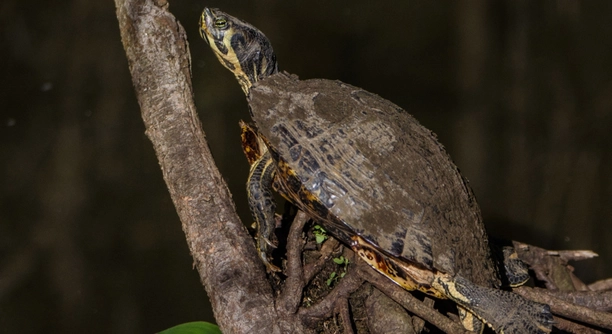
Yellow-bellied sliders are known for their calm temperament and captivating appearance. However, overfeeding them can lead to health complications. Understanding how to manage their diet is essential to ensure their long-term well-being.
The most effective way to prevent overfeeding your yellow-bellied slider is by regulating portion sizes and providing a balanced diet. Offer appropriate food types, monitor feeding frequency, and avoid excessive treats. This approach helps maintain their health and prevents obesity.
Maintaining a proper feeding schedule is key to keeping your slider healthy. By following the tips shared, you can ensure a balanced diet and prevent overfeeding.
Understand Your Slider’s Nutritional Needs
Yellow-bellied sliders thrive on a balanced diet that includes both plant-based and animal-based food. When feeding them, it’s crucial to provide a variety of items that support their growth and health. Their diet should consist of leafy greens, such as dandelion greens, and occasional protein sources like insects or fish. Offering a mixture of pellets designed for aquatic turtles is also beneficial. However, be mindful of the amount and frequency. Overfeeding them can lead to obesity and other health issues. Portion control is important, as these turtles are prone to overeating if given the chance.
Many owners make the mistake of feeding their slider too much. It’s essential to remember that a smaller portion size, twice a week for animal protein and daily greens, is sufficient. By keeping a structured feeding schedule, you help prevent overfeeding and ensure your turtle remains healthy. Always monitor their weight and adjust the portions accordingly.
Maintaining the right balance of food ensures your slider stays active and healthy. They require different types of food at different life stages. For example, juveniles require more protein to support their rapid growth, while adults need fewer animal-based products. Understanding the specific needs of your yellow-bellied slider will help in achieving a balanced, sustainable diet.
Keep Treats to a Minimum
Treats are a fun way to engage your yellow-bellied slider, but they shouldn’t make up a large part of their diet. Too many treats can lead to an imbalanced nutritional intake and weight gain.
It’s important to remember that treats, like crickets or worms, should be given sparingly. These should only be offered as occasional supplements to their main diet of greens and turtle pellets. By reducing the frequency of treat-giving, you can help your turtle stay healthy and avoid the potential negative effects of overfeeding.
Monitor Feeding Frequency
Feeding your yellow-bellied slider on a consistent schedule helps avoid overfeeding. Aim for feeding them once a day or every other day, depending on their age and activity level. Adjust their feeding frequency as they grow, since juveniles often require more food than adults.
Overfeeding can lead to lethargy and shell deformities. Keep an eye on their behavior and adjust the amount of food if they seem uninterested or sluggish. This ensures they maintain a healthy weight and energy level. It’s also important to avoid feeding them late at night, as they may not have the opportunity to digest the food properly before resting.
Pay attention to their body condition. If they begin to gain excess weight, it’s time to cut back. Keeping track of their feeding habits over time will help you better understand their needs. Developing a routine and sticking to it will keep your slider healthy and active.
Provide a Clean Feeding Environment
A clean tank environment contributes to your turtle’s overall health, including their diet. Leftover food can quickly rot, leading to bacteria buildup. Cleaning their tank regularly ensures your slider doesn’t ingest harmful substances.
Make sure to remove any uneaten food after about 15 minutes of feeding. A dirty environment can also affect their appetite and cause unnecessary stress. Keeping their habitat clean is just as important as regulating their food intake. Regular tank maintenance also supports better digestion and fewer health issues.
By ensuring your turtle’s tank is clean, you also reduce the risk of water quality problems. It helps prevent illness that could impact their appetite or cause them to overeat due to stress. Regular cleaning habits ensure a healthier, happier slider.
Control Water Temperature
The water temperature plays a significant role in your yellow-bellied slider’s appetite and digestion. Too warm or too cold water can cause them to lose interest in eating. Keeping the water between 75-85°F (24-29°C) ensures they stay active and comfortable.
A water heater with a thermostat is essential for maintaining a consistent temperature. This also ensures your turtle digests its food properly and stays healthy. If the water temperature is too cold, it can slow down their metabolism, causing them to eat less or become more sluggish.
Inadequate water temperature can lead to poor feeding habits. Be mindful of fluctuations, as sudden changes can cause stress and make your slider eat irregularly. Keeping the environment stable aids in their overall well-being and feeding schedule.
Avoid Overcrowding the Tank
Overcrowding can increase stress, leading to irregular eating habits. When there are too many turtles or other tank mates, your yellow-bellied slider may feel threatened or anxious. This affects their appetite.
Ensuring your slider has enough space to swim freely will help maintain a stress-free environment. Overcrowding can also increase the amount of waste in the tank, leading to poor water quality. This can discourage your turtle from eating properly and result in overfeeding when food becomes more easily accessible. A larger, well-maintained tank promotes healthier feeding habits.
FAQ
How often should I feed my yellow-bellied slider?
Yellow-bellied sliders should be fed once a day or every other day, depending on their age and size. Juveniles need more frequent feedings due to their fast growth rate, while adults require fewer meals. Always monitor their weight and adjust the feeding schedule accordingly. If they start gaining weight, it’s a sign that you should reduce the frequency of feedings.
What should I feed my yellow-bellied slider?
A balanced diet is crucial for your yellow-bellied slider’s health. Offer a combination of leafy greens like dandelion or collard greens, and occasional protein sources like insects, worms, or fish. Commercial turtle pellets designed for aquatic turtles can also be included but should not be the main food. The key is variety.
How can I tell if my yellow-bellied slider is overfed?
If your yellow-bellied slider is becoming lethargic, gaining excess weight, or showing a lack of interest in food, these could be signs of overfeeding. You might also notice that their shell is not as smooth as it should be. Regularly monitoring their weight and behavior can help prevent overfeeding.
Can yellow-bellied sliders eat fruit?
Yes, yellow-bellied sliders can eat fruit occasionally, but it should be given in moderation. Some safe fruits for them include strawberries, melon, and berries. Avoid feeding them high-sugar fruits too often, as this can disrupt their digestive system and lead to health problems.
Should I feed my yellow-bellied slider live food?
Live food like crickets, worms, or small fish can be an excellent protein source. However, it should not be their primary diet. Live food can be offered as a treat or supplement to their regular meals. Be cautious about overfeeding live prey, as this can lead to imbalanced nutrition.
How do I prevent my yellow-bellied slider from getting obese?
To prevent obesity, control portion sizes, avoid feeding them too many treats, and ensure they have a balanced diet. Monitor their weight regularly and adjust their food intake as needed. Additionally, encourage regular swimming and basking time to help maintain a healthy weight.
Can I feed my yellow-bellied slider at night?
Feeding your yellow-bellied slider at night is not recommended. Turtles are diurnal and eat best during the day when they are more active. If you feed them too late, they may not have enough time to digest their food before they go to sleep, which can cause digestive issues.
How much should I feed my yellow-bellied slider?
The amount of food to give your yellow-bellied slider depends on their size and age. As a general rule, the amount of food should be roughly the size of their head. For example, a juvenile may eat more, while an adult should get a smaller portion. Adjust based on their activity level and weight.
Can yellow-bellied sliders eat cooked food?
While yellow-bellied sliders can eat some cooked food, it’s not ideal for their regular diet. You can offer small amounts of cooked fish or vegetables, but avoid processed foods or those high in fats and oils. Raw food is generally better as it preserves nutrients and encourages healthy digestion.
Why does my yellow-bellied slider seem uninterested in food?
If your slider is not eating, several factors could be at play. Stress, improper water temperature, or an unclean tank could be causing a loss of appetite. Ensure their environment is comfortable, clean, and free of disturbances. If their lack of interest persists, consult a vet.
Can I overfeed my yellow-bellied slider on pellets?
Yes, overfeeding pellets is a common issue. While pellets can be a good staple, they should not be the only part of their diet. Overfeeding pellets can lead to obesity and health problems. It’s important to provide a varied diet of fresh greens and protein sources in addition to pellets.
How do I know if my yellow-bellied slider is dehydrated?
Dehydration in yellow-bellied sliders can be tricky to spot. Look for signs such as sunken eyes, lethargy, or loss of appetite. Ensure they have access to fresh, clean water at all times and monitor their behavior. If dehydration symptoms continue, consult a veterinarian.
Can yellow-bellied sliders eat vegetables?
Yes, vegetables should be a staple part of their diet. Leafy greens like dandelion greens, collard greens, and romaine lettuce are great choices. You can also offer other vegetables like carrots, zucchini, and bell peppers. Always chop vegetables into manageable pieces to prevent choking.
What should I do if my yellow-bellied slider isn’t eating properly?
If your slider isn’t eating, first check their environment. Ensure the water temperature is appropriate and the tank is clean. Consider their diet—are they getting the right mix of food? If changes don’t help, consult a veterinarian to rule out any underlying health issues.
Final Thoughts
Maintaining a healthy diet for your yellow-bellied slider requires careful attention to portion sizes, food variety, and feeding frequency. Overfeeding can lead to serious health issues such as obesity, digestive problems, and lethargy. It is important to recognize the signs of overfeeding, such as weight gain and lack of interest in food, so that you can adjust the feeding schedule accordingly. By providing the right balance of nutrients, you can ensure your turtle remains active, healthy, and happy.
In addition to controlling food intake, consider other factors that affect your turtle’s appetite and overall well-being. Water temperature plays a crucial role in digestion and activity levels. Keeping the water at an appropriate temperature of 75-85°F (24-29°C) will help your turtle stay active and interested in eating. Similarly, the tank environment should be clean, spacious, and stress-free. Overcrowding the tank or exposing your slider to harsh conditions can negatively affect their eating habits and health. Providing an ideal environment is just as important as maintaining a balanced diet.
Finally, understanding your yellow-bellied slider’s unique needs is key to preventing overfeeding. Their diet should include a mix of protein, vegetables, and occasional fruits. Regularly monitor their behavior and weight to ensure they are eating appropriately and maintaining a healthy size. By staying attentive to their diet and environment, you can ensure that your yellow-bellied slider lives a long, healthy life.

Hello,
If you enjoy the content that we create, please consider saying a "Thank You!" by leaving a tip.
Every little bit helps us continue crafting quality advice that supports the health, happiness, and well-being of pets around the world, for pets of all shapes, sizes, and species.
We really appreciate the kindness and support that you show us!