
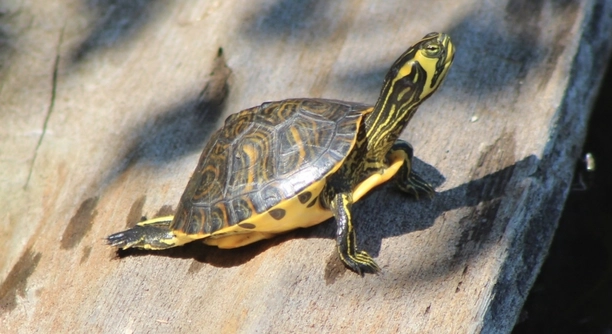
Yellow-bellied sliders are fascinating creatures with specific needs. When they thrive in their environment, it’s often because they feel comfortable and content. Understanding their behavior helps ensure they are living in a healthy habitat.
The health and well-being of a yellow-bellied slider can be gauged by its behavior and physical state. Active swimming, basking in the sun, and a good appetite are common indicators that a slider enjoys its surroundings.
By observing these signs, you can confirm that your yellow-bellied slider is thriving in its environment.
Your Slider Enjoys Swimming
Active swimming is one of the most telling signs that your yellow-bellied slider is content in its habitat. These turtles are naturally aquatic creatures, and when they’re swimming frequently, it means they feel secure and are comfortable in their environment. This behavior is often seen when the water temperature is ideal and the environment is clean.
If your slider is swimming with ease, it’s a positive sign. It shows that their physical and mental needs are being met. If the turtle remains in one spot for too long or avoids swimming, it might indicate discomfort or stress.
Providing plenty of space for swimming and ensuring the water is free of debris will help maintain a healthy and happy environment for your turtle. A properly sized tank or pond with clean water encourages this behavior. Be sure to monitor the water temperature regularly, as yellow-bellied sliders thrive in water ranging between 75 to 85°F.
Basking is Key
Basking is another sign that your slider feels safe and comfortable. It is essential for their health as it helps regulate their body temperature and aids in digestion.
When your slider spends time basking under a heat lamp or in a warm spot, it signals that they feel secure in their environment. Without proper basking areas, they may not get the warmth they need to stay active and healthy. Providing a dry area under a heat lamp can encourage this behavior. Make sure there are both shaded and sunny spots available for your turtle to choose from.
By offering the right conditions for basking, you ensure your turtle has access to the warmth it needs, promoting overall well-being. An effective basking setup mimics the natural habitat, allowing the slider to feel at ease in its environment.
Eating Well
When your yellow-bellied slider is eating regularly, it indicates that the environment is comfortable. A healthy appetite suggests that the turtle feels safe and has access to the right food sources. A lack of interest in food can signal stress or an unsuitable habitat.
Proper diet and feeding times are crucial. These turtles enjoy a variety of foods, from leafy greens to protein-rich meals like insects and fish. Offering a balanced diet that caters to their nutritional needs ensures that they stay strong and active. Consistent feeding schedules help maintain their well-being and improve their overall happiness.
Ensure the food is fresh and free of contaminants. Overfeeding or offering improper food can lead to health issues, so always monitor portion sizes. A healthy turtle will eagerly approach meals and eat without hesitation. If your slider consistently shows interest in food, it’s a good sign they feel at ease in their environment.
Healthy Shedding
Shedding is a normal part of your turtle’s life cycle, and it’s often a sign that they’re healthy and thriving. Regular shedding of their skin or scutes (shell plates) indicates that the turtle’s metabolism is functioning well, which is crucial for overall health.
Turtles typically shed their scutes in pieces, and the process helps them grow and maintain a healthy shell. If your slider is shedding regularly and its shell looks smooth, it’s likely an indication of a balanced environment. However, excessive shedding or irregular patterns may suggest issues like improper diet or stress.
A yellow-bellied slider in a healthy environment will shed naturally without complications. The presence of clean water, proper lighting, and adequate humidity helps regulate the shedding process. Be sure to check the water quality regularly and ensure your slider’s tank setup encourages natural shedding. This will allow your turtle to maintain its health and a strong, smooth shell.
Healthy Behavior
Active and alert behavior is a clear sign that your yellow-bellied slider is comfortable in its environment. When it’s moving around and exploring, it’s a good indication that the habitat is stimulating and meets its needs. A turtle that stays hidden or inactive may be stressed.
A healthy slider will interact with its surroundings, often swimming, basking, or even climbing. If it shows no interest in its environment, this could suggest that something is wrong, whether it’s the water quality, temperature, or lack of space. Keep an eye on any changes in behavior.
Social Interaction
Yellow-bellied sliders are not overly social but will interact with their environment and occasionally with other turtles. If your slider is comfortable with its surroundings, it may exhibit friendly behaviors like approaching you or exploring its tank.
Providing ample space and hiding spots helps reduce stress and makes the environment more comfortable. In a well-maintained habitat, your slider will feel confident enough to roam and engage with its surroundings.
FAQ
How do I know if my yellow-bellied slider is stressed?
Signs of stress in yellow-bellied sliders include lack of appetite, hiding for extended periods, and erratic swimming behavior. If the turtle is no longer basking or spending too much time underwater, it may be uncomfortable with its environment. Stress can stem from poor water quality, incorrect temperature, or overcrowding. Observing these behaviors can help identify the cause, allowing you to make necessary changes to improve their well-being.
What should I do if my slider stops eating?
If your slider stops eating, the first step is to check the water temperature and quality. Yellow-bellied sliders require a temperature range between 75-85°F in the water and around 88-90°F for basking areas. Water that’s too cold or dirty can lead to a loss of appetite. Additionally, ensure you’re offering a balanced diet and varying food options. If the issue persists, consult a vet to rule out any underlying health problems.
Why is my slider not basking?
When a yellow-bellied slider refuses to bask, it can be a sign of improper basking conditions. Ensure the basking area is well-lit with a UVB light and a heat lamp, as these are essential for maintaining the turtle’s health. If the basking spot is too small, too hot, or too cold, it could deter your turtle from using it. Also, check for other stress factors, such as overcrowding, water quality, or tank placement, as these can discourage basking behavior.
How often should I clean my slider’s tank?
A clean tank is crucial for your slider’s health. Perform partial water changes every 1-2 weeks and clean the tank thoroughly every month. Remove any uneaten food, waste, and debris from the tank regularly. A high-quality filtration system can also help keep the water cleaner for longer. Regular tank maintenance ensures your slider remains in a healthy, stress-free environment.
How much space does my slider need?
Yellow-bellied sliders require ample space to swim and explore. A tank of at least 40 gallons is recommended for one adult slider. As your turtle grows, the tank should increase in size. For a more natural environment, consider a larger tank or a pond. Providing enough room ensures your slider has the freedom to swim, bask, and display natural behaviors, promoting a healthier lifestyle.
Can I keep more than one slider together?
Yellow-bellied sliders can be kept together, but it’s essential to provide enough space to prevent territorial disputes. If there isn’t enough room, competition for basking spots or food can lead to stress and aggression. It’s best to have a tank large enough to accommodate multiple sliders and ensure each has access to its own basking area. Monitoring their behavior is key to preventing conflicts.
What type of food should I feed my slider?
A balanced diet is essential for a healthy yellow-bellied slider. Their diet should include a mix of vegetables, protein, and occasional fruits. Offer leafy greens like kale, collard greens, and dandelion leaves, along with aquatic plants. For protein, feed them live or frozen insects, fish, or commercial turtle pellets. Be cautious with fruits and feed them in moderation to avoid too much sugar.
Why is my slider’s shell soft?
A soft shell can indicate a calcium deficiency. Yellow-bellied sliders need calcium for proper shell development and overall health. Ensure your turtle has access to UVB lighting, which helps with calcium absorption. Additionally, provide a calcium supplement, either through cuttlebone or powdered calcium added to their food. If the issue persists, consult a vet to address any underlying health concerns.
How can I tell if my slider is dehydrated?
Dehydration in yellow-bellied sliders can lead to lethargy, dry skin, and difficulty shedding. If your turtle isn’t spending enough time in the water or isn’t swimming, dehydration could be the issue. Ensure your slider has access to clean water at all times, and provide a humid basking area to maintain moisture levels. If dehydration is suspected, increase their water exposure and monitor for improvement.
How do I maintain the right water temperature for my slider?
Yellow-bellied sliders require specific water temperatures to thrive. Maintain the water between 75-85°F, using a water heater with a thermostat for accurate regulation. Make sure to check the water temperature daily to ensure it’s within the proper range. If the water is too cold or too warm, it can cause stress and negatively impact your turtle’s health.
What type of light does my slider need?
UVB lighting is essential for yellow-bellied sliders. It helps them metabolize calcium, ensuring they develop strong bones and a healthy shell. A UVB light should be placed over the basking area, where your turtle will spend time to absorb the rays. Also, provide a heat lamp for warmth, as it helps maintain proper body temperature and encourages natural basking behavior.
How do I prevent my slider from becoming too aggressive?
Aggression in yellow-bellied sliders can be triggered by overcrowding, competition for resources, or stress. To prevent aggression, ensure each turtle has its own basking area and enough space to swim. Monitor their interactions, as some turtles may be more territorial than others. If aggression persists, it may be best to separate the turtles to avoid harm.
Can my slider live outside?
Yellow-bellied sliders can live outside in a pond, as long as the environment is suitable. The pond must have clean, warm water, and access to both basking spots and shaded areas. It’s important to consider the local climate, as extreme temperatures can be harmful. Additionally, ensure the pond is safe from predators and offers a balanced ecosystem for your slider’s well-being.
Final Thoughts
Maintaining a healthy environment for your yellow-bellied slider is essential to its well-being. A well-kept habitat that includes clean water, proper lighting, and a variety of food options will help ensure that your turtle stays active and healthy. Regular tank cleaning, monitoring the water quality, and providing enough space for your turtle to roam are key components in promoting a stress-free environment. Always pay attention to your slider’s behavior and make adjustments as needed. Small changes can have a significant impact on its overall happiness and health.
A yellow-bellied slider that enjoys its environment will exhibit active behavior, bask regularly, and have a good appetite. It’s important to regularly observe your turtle for signs of discomfort, such as lack of movement or appetite. If you notice these signs, investigate possible issues with water conditions, temperature, or tank setup. Keeping your slider’s habitat clean, providing the right temperature range, and offering a varied diet will help prevent most problems. If necessary, seek professional advice to address any concerns about your turtle’s health.
Creating an optimal environment for your yellow-bellied slider will ensure that it thrives for years to come. These turtles are relatively low-maintenance when their needs are met, but it’s essential to keep their habitat in mind at all times. With a little care and attention, your slider will remain active, healthy, and comfortable in its space.

Hello,
If you enjoy the content that we create, please consider saying a "Thank You!" by leaving a tip.
Every little bit helps us continue crafting quality advice that supports the health, happiness, and well-being of pets around the world, for pets of all shapes, sizes, and species.
We really appreciate the kindness and support that you show us!