
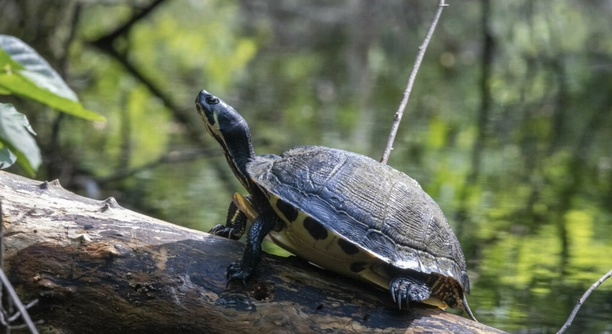
Are your yellow-bellied slider turtles spending more time asleep than usual? It can be concerning when your pet’s energy seems low, but this behavior may be completely normal or a sign of something else.
Yellow-bellied sliders often sleep a lot, especially when their environment is too cold, or they’re not feeling well. It’s important to ensure they have proper lighting, water temperature, and a balanced diet to stay healthy.
Understanding the causes of their drowsiness can help keep your turtle happy and active. Keep reading to learn more about how to address potential health concerns and create the best environment for your pet.
Why Does My Yellow-Bellied Slider Sleep So Much?
Yellow-bellied sliders are known for their ability to sleep for extended periods, but if you notice that your turtle is consistently lethargic, it could be due to a variety of reasons. Temperature plays a significant role in how active your turtle is. If the water is too cold, your turtle may become sluggish and spend more time resting. Another factor is the amount of natural light your turtle receives. They need exposure to UVB rays to regulate their sleep-wake cycles. Poor lighting or inadequate basking areas can disrupt their activity levels.
To help your turtle stay active, it’s essential to make sure they are kept in the right conditions. Ensure that the water temperature is between 75 and 80°F (24-27°C) and that the basking area is heated to 85-90°F (29-32°C). Providing UVB light is just as important, as it allows your turtle to process calcium properly. Without proper lighting, they might not get the energy they need, leading to excessive sleeping.
A well-balanced diet also affects how active your yellow-bellied slider is. These turtles require a variety of foods, including leafy greens, protein sources like insects or fish, and calcium supplements. Malnutrition can make your turtle feel weak and cause it to sleep more than usual. To keep your turtle healthy, feed it a diet rich in essential nutrients, and avoid overfeeding, as it could lead to obesity and lethargy.
Environmental Factors That Impact Sleep
Environmental stressors like a noisy, cramped habitat can also contribute to your turtle’s sleep patterns.
Ensure your turtle’s tank is spacious enough to move around and explore. The water should be clean and free of harmful chemicals. Providing an environment that mimics their natural habitat is key to encouraging healthy activity levels.
Illness and Health Concerns
A yellow-bellied slider may sleep more if it is unwell. Infections, parasites, or even minor injuries can cause lethargy. If your turtle is not eating and spending excessive time resting, it could be a sign of an underlying health issue.
Common health problems in yellow-bellied sliders include respiratory infections, which can cause them to become more sluggish. Infections may lead to difficulty swimming, loss of appetite, and nasal discharge. If your turtle shows these signs, it’s crucial to visit a reptile vet for proper diagnosis and treatment. A regular check-up can help detect early signs of illness and ensure proper care.
A turtle’s shell condition can also signal health concerns. Soft, deformed, or damaged shells can lead to more sleeping as the turtle may feel physically weakened. If you notice any changes in your turtle’s shell or behavior, it’s important to seek professional care. Providing a suitable diet and environment can prevent many of these issues.
Overfeeding and Diet Imbalances
Overfeeding can lead to lethargy and weight gain in turtles. This issue might make your yellow-bellied slider sleep too much.
Feeding your turtle too much protein or high-fat foods can result in obesity, which causes them to feel less active. Stick to a balanced diet with a mix of leafy vegetables, proteins, and occasional fruits. By keeping their diet in check, you can help maintain their energy levels and encourage healthy activity. Always be mindful of portion sizes to avoid unnecessary weight gain, which may lead to further health problems down the line.
Temperature and Lighting
If the water temperature or lighting is off, it could cause your turtle to sleep more. Yellow-bellied sliders need warm water and adequate UVB light to stay active.
If the water is too cold, it can make your turtle sluggish, causing longer sleep periods. Proper heat and UVB light are crucial for energy and overall well-being.
Hibernation or Brumation
Yellow-bellied sliders can enter a period of dormancy known as brumation. During this time, they will sleep more as their metabolism slows down.
Brumation typically happens in cooler months when the temperature drops. If your turtle seems to be sleeping too much during winter, it may be entering this natural state.
FAQ
Why is my yellow-bellied slider sleeping so much?
Yellow-bellied sliders sleep more due to environmental factors like cold water, insufficient light, or poor diet. They also tend to rest more when they are unwell, experiencing stress, or undergoing brumation. It’s essential to maintain a warm water temperature, provide UVB lighting, and offer a balanced diet to keep them active and healthy.
How can I tell if my yellow-bellied slider is sick?
If your yellow-bellied slider is sleeping excessively, look for other signs such as loss of appetite, difficulty swimming, nasal discharge, or abnormal shell appearance. These can indicate health issues like respiratory infections or parasites. A visit to the vet will help identify the problem and guide treatment.
What is the ideal water temperature for my turtle?
The water temperature for a yellow-bellied slider should be kept between 75-80°F (24-27°C). This helps maintain their energy levels and prevents them from becoming lethargic. For their basking area, the temperature should be around 85-90°F (29-32°C) to ensure proper digestion and activity.
How much should I feed my yellow-bellied slider?
Overfeeding your turtle can lead to lethargy and obesity. A balanced diet includes leafy greens, protein sources like insects or fish, and occasional fruits. Offer food in appropriate portions, usually 3-4 times a week, and adjust based on your turtle’s size and activity levels.
Can a dirty tank cause my turtle to sleep more?
Yes, a dirty tank can lead to stress and discomfort, which may make your turtle sleep more. Keep the tank clean by changing the water regularly and removing waste. Clean the tank thoroughly to avoid harmful bacteria or parasites that could make your turtle feel unwell.
How long does brumation last?
Brumation, the hibernation-like state in reptiles, can last for several weeks to months. Yellow-bellied sliders typically brumate during the cooler months when their environmental conditions aren’t ideal for activity. During this time, your turtle’s metabolism slows down, and they will spend much of their time resting or sleeping.
Is it normal for my yellow-bellied slider to sleep all day?
If your yellow-bellied slider is sleeping all day, it might be due to factors like low temperature, insufficient light, or a lack of proper nutrition. It’s important to evaluate their environment to make sure everything is set up correctly. If they continue to sleep excessively, consider consulting a vet.
How often should I change my turtle’s water?
Changing the water regularly is essential for maintaining a healthy environment for your turtle. A good rule of thumb is to change the water completely every 1-2 weeks, depending on tank size and filter use. If the water gets dirty sooner, you may need to clean it more often.
Can yellow-bellied sliders sleep through the winter?
Yes, yellow-bellied sliders can enter brumation during the winter months, where they will sleep for long periods. During this time, their metabolism slows down, and they need less food and activity. Ensure that the water temperature doesn’t drop too low, as this can disrupt their brumation.
What can I do if my turtle’s shell looks soft or deformed?
A soft or deformed shell could indicate nutritional imbalances or health issues like metabolic bone disease. Ensure your turtle is getting enough calcium through their diet and exposure to UVB light. If you notice any shell deformities, consult a vet for a proper diagnosis and treatment plan.
Final Thoughts
Yellow-bellied sliders are fascinating creatures, and understanding their behavior is key to ensuring their well-being. Sleeping is a natural part of their routine, but when they sleep too much, it could indicate an underlying issue. It’s important to regularly monitor their environment, diet, and overall health to ensure they are thriving. When a turtle sleeps excessively, check the temperature of their water, the quality of the light they receive, and whether they’re eating a balanced diet. These factors play a significant role in maintaining their energy and activity levels.
Additionally, if your yellow-bellied slider is showing signs of illness, such as lack of appetite, difficulty swimming, or abnormal shell changes, it’s vital to address the problem as soon as possible. Early intervention can prevent minor issues from becoming serious health concerns. In many cases, a visit to a vet will help you determine if your turtle is sick or if environmental changes need to be made. With the right care, your turtle can live a long and healthy life.
Finally, remember that each turtle is unique. While some may naturally sleep more than others, consistent observation is crucial in ensuring they are comfortable and healthy. By adjusting their habitat to meet their needs, providing the correct lighting and temperatures, and offering a varied diet, you’ll help your yellow-bellied slider stay active and vibrant. If the excessive sleep continues despite these efforts, seeking professional advice from a reptile vet will give you the best guidance.

Hello,
If you enjoy the content that we create, please consider saying a "Thank You!" by leaving a tip.
Every little bit helps us continue crafting quality advice that supports the health, happiness, and well-being of pets around the world, for pets of all shapes, sizes, and species.
We really appreciate the kindness and support that you show us!