
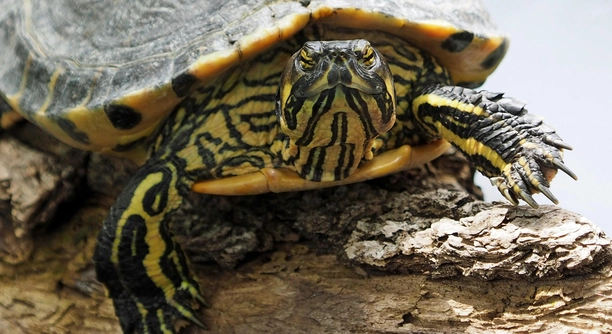
Many new owners of yellow-bellied sliders are eager to care for their new pets but may not know the common mistakes to avoid. It’s important to be aware of these early on to ensure they thrive.
Yellow-bellied sliders require a specific habitat, proper diet, and regular care to stay healthy. Common mistakes include improper tank size, neglecting UVB lighting, poor diet, and inadequate water filtration. These factors can lead to health problems and shortened lifespans.
Learning about the needs of these turtles can help you provide the best environment for them. With the right care, your yellow-bellied slider will be a happy and healthy companion for years to come.
Mistake 1: Choosing the Wrong Tank Size
One of the biggest mistakes new yellow-bellied slider owners make is choosing a tank that is too small. These turtles need plenty of space to swim and explore. A cramped tank can lead to stress, making it difficult for them to grow properly. The minimum tank size for an adult yellow-bellied slider is 75 gallons, but bigger is always better. When the tank is too small, they may exhibit abnormal behaviors, like aggression or hiding more than usual. Without enough room, their physical and mental health can quickly decline. A larger tank also makes it easier to maintain water quality, reducing the risk of disease.
A proper-sized tank encourages healthy movement and growth, which helps your turtle thrive.
It’s important to account for future growth when selecting a tank. Yellow-bellied sliders can reach lengths of up to 12 inches, so be sure to prepare a large enough space for them. Additionally, they enjoy basking, so providing a sturdy platform is also essential.
Mistake 2: Inadequate UVB Lighting
Many new owners overlook the importance of UVB lighting, which is essential for a turtle’s health. Without it, their shells can become weak, and they may suffer from vitamin D3 deficiency. This can lead to serious health problems over time. UVB light helps turtles synthesize vitamin D3, which is necessary for calcium absorption. Without this, their bones and shells will weaken. Always ensure your turtle’s habitat includes a reliable UVB light source, and change the bulb every six months to maintain its effectiveness.
UVB light supports strong shell development and overall health.
Besides UVB light, it’s important to have a heat lamp for basking, as this allows your turtle to regulate its body temperature. These two lighting elements are key to replicating their natural environment. Make sure the UVB light is placed correctly to cover the basking area, where your turtle can soak up its benefits. Your yellow-bellied slider needs both UVB light and heat to stay active and healthy. Regularly monitoring their light setup will prevent long-term health issues. If unsure about the setup, consult with a reptile care expert to ensure proper lighting is maintained.
Mistake 3: Feeding the Wrong Diet
New turtle owners often feed their yellow-bellied sliders too many proteins or not enough vegetables. A balanced diet is key to their health. Feeding only protein-based foods like worms and fish can lead to obesity and other health issues.
A proper diet for a yellow-bellied slider includes a mix of vegetables, pellets, and occasional protein. Vegetables like leafy greens should make up a large portion of their diet. Protein sources like insects or fish should be given only a couple of times a week to prevent imbalances. Overfeeding protein can lead to liver problems, while insufficient vegetables can cause vitamin deficiencies. Keep the food varied to avoid dietary boredom and ensure nutritional needs are met.
It’s important to avoid overfeeding. Yellow-bellied sliders have a tendency to overeat if the food is readily available. This can result in obesity, which affects their overall health and lifespan. Offering measured portions and sticking to a feeding schedule will keep your turtle at a healthy weight and help avoid issues.
Mistake 4: Poor Water Filtration
A common mistake is neglecting water quality, which can quickly lead to health problems for your turtle. Dirty water is a breeding ground for bacteria, and it can cause infections.
Water filtration is essential to maintain a clean and healthy environment. Invest in a good filtration system that can handle the size of the tank. Turtles are messy, and their waste can quickly pollute the water, making regular water changes necessary. A good filter ensures the water stays clear and minimizes the buildup of harmful bacteria. Make sure to clean the filter every month to maintain its effectiveness.
In addition to filtration, monitor the water temperature and pH levels. Yellow-bellied sliders thrive in water temperatures between 75°F and 80°F. The pH should be kept between 6.5 and 7.5. Testing kits can help you stay on top of these levels, ensuring your turtle’s environment remains stable and safe. Regular water maintenance will prevent diseases, keep your turtle comfortable, and extend its lifespan.
Mistake 5: Not Providing a Proper Basking Area
Yellow-bellied sliders need a dry area to bask and regulate their body temperature. Many owners overlook this, assuming that water alone is enough for them. Without a proper basking spot, your turtle may become stressed or sick.
A basking area should be easily accessible, and it must provide warmth, typically between 85°F to 90°F. The area should be equipped with a heat lamp that simulates sunlight. Turtles need this warmth for digestion and general health. Ensure that the basking platform is sturdy and large enough for your turtle to comfortably rest on it.
If a proper basking area is not provided, your turtle may have trouble absorbing heat and UVB light, leading to metabolic issues. A lack of exposure to light can also cause weakened shells and poor overall health. Regularly check the basking spot to make sure it remains dry, clean, and at the proper temperature. Turtles enjoy spending several hours basking, so this area should be both functional and comfortable.
Mistake 6: Ignoring Temperature Fluctuations
Temperature fluctuations can harm your turtle. If the water or air temperature shifts too much, it can lead to stress and sickness. Stability is crucial.
Maintaining a consistent temperature is important to your turtle’s well-being. Use reliable thermometers in both the water and basking areas to monitor the temperature throughout the day. Keeping the water temperature steady between 75°F and 80°F and the basking area around 85°F to 90°F ensures that your turtle stays healthy and active. If temperature changes are too extreme, your turtle may become sluggish or refuse to eat.
Mistake 7: Handling Them Too Much
Overhandling can stress yellow-bellied sliders. While they may tolerate it occasionally, frequent handling can cause anxiety.
It’s best to limit physical interaction unless absolutely necessary. Turtles are not like cats or dogs; they prefer to stay in their habitat, where they feel safe. Excessive handling can stress them out, making them more prone to illness. Let your turtle explore its space on its own, and only handle it for cleaning or medical needs.
FAQ
How often should I feed my yellow-bellied slider?
Feeding frequency depends on the age and size of your turtle. Baby and juvenile turtles should be fed daily, while adults can be fed every other day. A balanced diet should include vegetables, turtle pellets, and occasional protein. Avoid overfeeding; the amount of food should be appropriate for their size. Offering food in measured portions ensures they get the right nutrition without becoming overweight.
Can yellow-bellied sliders live in a small tank?
No, yellow-bellied sliders need space to grow. A tank that is too small can cause stress and health problems. A minimum of a 75-gallon tank is required for an adult. Smaller tanks will hinder your turtle’s ability to swim and could lead to behavioral issues. A spacious tank allows your turtle to move freely, promoting better health and a longer lifespan.
What should I do if my turtle isn’t eating?
If your turtle refuses to eat, check for possible issues like water temperature or cleanliness. A water temperature that’s too cold or too hot can reduce their appetite. Additionally, the water may be dirty or the tank may not have proper filtration. If these factors are correct, try offering a variety of foods. If the problem persists for several days, consider a vet visit to rule out illness.
How do I clean my yellow-bellied slider’s tank?
Cleaning your turtle’s tank involves removing debris, cleaning the water filter, and changing the water regularly. Begin by removing any uneaten food and waste with a net or siphon. Clean the tank walls with a non-toxic cleaner or vinegar. After removing dirty water, replace it with fresh water, making sure the temperature is stable. Regular cleaning, at least once a week, ensures a healthy environment for your turtle.
Do yellow-bellied sliders need special lighting?
Yes, UVB lighting is essential for yellow-bellied sliders. UVB light helps them synthesize vitamin D3, which is necessary for calcium absorption and shell health. The light should be on for about 10-12 hours a day. Be sure to use a proper UVB bulb and replace it every six months, even if it still seems to be working, as its effectiveness diminishes over time.
Can yellow-bellied sliders live with other turtles?
Yellow-bellied sliders can live with other turtles, but only if they are compatible. They are generally peaceful but can become aggressive if they feel crowded. If you decide to house multiple turtles, make sure the tank is large enough to accommodate them all. It’s also important to monitor their behavior for signs of aggression, like biting or chasing. A separate hiding area is recommended to give each turtle a private space.
What kind of substrate should I use in my turtle tank?
Avoid using gravel or sand as substrate, as they can cause health issues if ingested. Instead, use smooth river rocks, which are easier to clean and pose no ingestion risk. Another option is a bare-bottom tank, which makes cleaning easier and keeps the water quality high. Substrate is mainly for aesthetic purposes, but it can help replicate natural environments.
How can I tell if my yellow-bellied slider is healthy?
A healthy yellow-bellied slider should be active, have clear eyes, and a firm, smooth shell. If you notice your turtle becoming lethargic, having cloudy eyes, or developing soft spots on its shell, these could be signs of illness. Healthy turtles also maintain a regular eating schedule. Make sure they’re swimming freely and basking regularly under proper lighting.
Can I handle my yellow-bellied slider?
While yellow-bellied sliders can tolerate occasional handling, it’s best to minimize it. They are not social animals like dogs or cats and prefer to stay in their habitat. Frequent handling can stress them out, making them more prone to illness. Limit handling to when you need to clean the tank or perform health checks. Keep interactions brief to avoid upsetting your turtle.
What should I do if my turtle’s shell is soft?
A soft shell is a serious concern and usually indicates a calcium deficiency or poor diet. Make sure your turtle has access to UVB lighting, which helps them process calcium. Also, provide a diet rich in calcium, such as leafy greens and calcium supplements. If the soft shell persists, consult a vet to check for underlying health issues.
Why is my turtle’s shell turning yellow?
Yellowing on a yellow-bellied slider’s shell can be a natural sign of growth, but it can also indicate poor water quality or a dietary imbalance. If the yellowing is accompanied by other signs like softening or damage, it could be a sign of health problems. Maintain proper water filtration and lighting, and ensure your turtle gets a balanced diet. If the issue persists, seek advice from a vet.
Final Thoughts
Taking care of a yellow-bellied slider can be a rewarding experience, but it requires understanding their specific needs. By providing a proper tank size, a balanced diet, and the right environment, you help your turtle live a long and healthy life. The more you learn about their behavior and care requirements, the better equipped you’ll be to avoid common mistakes. These turtles are not high-maintenance pets, but they do need the right conditions to thrive. It’s important to remember that their well-being depends on consistency, attention, and proper care.
Setting up the right habitat for your turtle is essential. The tank should be large enough to accommodate its size, with both aquatic and basking areas. Make sure the water is clean, filtered, and at the correct temperature. UVB lighting is also critical for shell and bone health. Without it, your turtle may face health issues that are difficult to reverse. Keeping the tank clean and checking the water quality regularly are also simple yet important tasks. A small effort in maintaining their environment can make a big difference in their health and happiness.
Diet is another key factor to consider. A yellow-bellied slider needs a variety of foods to stay healthy. Offer a mix of leafy greens, vegetables, and some protein. Overfeeding protein can lead to obesity, so balance their meals accordingly. If you take the time to monitor their health and environment, your turtle will likely thrive. In the long run, proper care will not only ensure a happy, healthy turtle but also provide you with the satisfaction of knowing you are meeting their needs as a pet owner.

Hello,
If you enjoy the content that we create, please consider saying a "Thank You!" by leaving a tip.
Every little bit helps us continue crafting quality advice that supports the health, happiness, and well-being of pets around the world, for pets of all shapes, sizes, and species.
We really appreciate the kindness and support that you show us!