
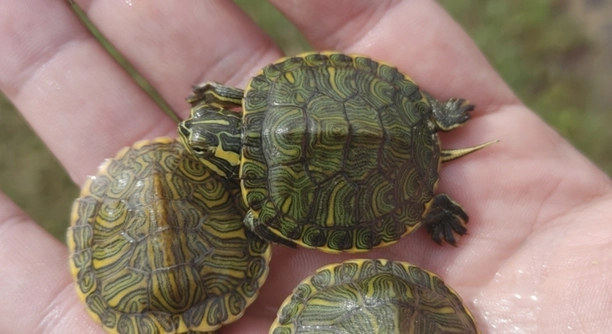
A stressed yellow-bellied slider can be a confusing and concerning issue for pet owners. Their behavior may be an indication of underlying factors that affect their well-being. Understanding these stressors is key to ensuring a healthy, happy turtle.
The main reasons for stress in yellow-bellied sliders often include improper tank conditions, inadequate diet, insufficient basking space, or too much noise. Addressing these factors can significantly improve your turtle’s quality of life and overall behavior.
By examining these key areas of concern, you’ll be better equipped to provide your turtle with a comfortable and stress-free environment. Proper adjustments can help maintain its well-being for the long term.
Tank Conditions Matter
Your yellow-bellied slider’s tank conditions play a major role in their comfort and stress levels. They require a specific water temperature, cleanliness, and tank size to thrive. If their environment doesn’t meet these needs, they may start acting stressed. A tank that is too small, too dirty, or too cold can cause discomfort, leading to anxiety in your turtle.
Water temperature should be between 75-80°F (24-27°C), while basking areas need to be around 85-90°F (29-32°C). Filtration is essential to keep the water clean and free of harmful bacteria.
If your tank is too small or lacks appropriate filtration, your slider will feel confined and stressed. Larger tanks provide more space for your turtle to swim and bask, giving it a more comfortable and enjoyable environment. Proper equipment, like heaters and filters, are also vital to maintain the proper conditions. Regular cleaning is necessary to prevent toxins from building up in the water.
Diet Is Key
A poor diet can contribute to stress in yellow-bellied sliders. Inadequate nutrition leads to health issues, affecting their overall well-being.
These turtles require a balanced diet consisting of vegetables, protein, and occasional treats. A diet lacking these essentials may make your turtle feel weak or unwell, which increases stress. In particular, too much protein can cause shell and liver problems. Aim for variety and keep their meals fresh.
Basking Space Is Essential
If your turtle doesn’t have enough space to bask, it can get stressed. Basking is crucial for regulating their body temperature and ensuring their shell stays healthy.
Without proper basking space, your slider may try to bask on other surfaces in the tank, which can cause frustration and stress. It’s important to have a flat, dry spot that allows your turtle to fully dry off and absorb UVB light. Ensure the basking area is easily accessible and large enough for your turtle to move around comfortably. If your slider can’t reach this area easily, it can lead to stress from being unable to warm up.
A well-lit basking area also helps your slider maintain proper metabolism and mood. If the basking spot is too crowded or difficult to access, your turtle may become agitated. UVB light is also vital for their shell and bone health, so the basking spot needs to provide enough exposure to light.
Noise and Activity Can Stress Them
Excessive noise and movement can cause stress in yellow-bellied sliders. They are sensitive to disturbances in their environment, which can make them anxious and agitated.
Loud sounds or constant movement near their tank can create a sense of insecurity for your turtle. They may retreat to the corners of their tank or become more reclusive. Turtles, like many reptiles, prefer a calm, quiet atmosphere to feel safe and relaxed. Limiting the noise around them will help your turtle feel more at ease.
It’s also helpful to place their tank in a low-traffic area of the home where they won’t be constantly disturbed. Avoid sudden loud noises like slamming doors or blaring music. The calmer the environment, the more your slider will feel secure and comfortable in their habitat.
Improper Tank Mates
Yellow-bellied sliders can become stressed if housed with incompatible tank mates. They are territorial and may not tolerate other species in close proximity.
Aggressive tank mates can cause them to feel threatened and unsettled, leading to stress. Always ensure that any animals kept in the same tank are peaceful and share similar needs. It’s important to monitor interactions closely to prevent any harm or distress.
Some species may even nip at your turtle’s limbs, which can lead to long-term stress and potential injury. If tank mates cause anxiety, it’s best to house your slider alone for their well-being.
Lighting Needs
Your turtle’s lighting is crucial to avoid stress. They need both UVB and heat lamps to stay healthy. Without proper lighting, your slider may feel physically unwell, adding to their stress levels.
The right combination of light and heat will allow your turtle to regulate its body temperature and support proper digestion. Make sure the UVB light is replaced regularly, as its effectiveness decreases over time. If your turtle isn’t getting the right exposure, it could lead to health problems like shell rot, which can make them even more stressed.
Overcrowding in the Tank
Having too many turtles or other animals in the same tank can cause stress. Yellow-bellied sliders need ample space to swim, bask, and feel secure.
When tanks are overcrowded, they may not have enough space to relax or enjoy their environment. This leads to constant competition for resources and causes unnecessary stress. Always ensure that each turtle has enough room to move comfortably without feeling crowded.
FAQ
Why is my yellow-bellied slider staying at the bottom of the tank?
Your turtle might be staying at the bottom of the tank due to stress, poor water conditions, or health issues. It could be an indication of low water temperature, dirty water, or not enough basking space. Check the water quality and temperature to ensure they are within the correct range (75-80°F for water temperature and 85-90°F for basking). If the conditions are fine and your turtle still stays at the bottom, it could be a sign of illness, and a visit to the vet is recommended.
How often should I clean my yellow-bellied slider’s tank?
Cleaning the tank should be done weekly to maintain proper water quality and prevent stress. Regularly check the water for debris, algae, and waste, and replace about 25% of the water every week. The filter should be cleaned monthly, and any uneaten food should be removed daily. This helps to avoid the buildup of harmful toxins that could stress your turtle.
What can I do if my yellow-bellied slider is not eating?
If your turtle refuses food, it may be a sign of stress, illness, or an improper diet. Start by reviewing its habitat. Ensure the water temperature is right, the basking area is accessible, and the lighting is adequate. Check the diet to see if you are offering a variety of appropriate foods, including greens, proteins, and occasional treats. If your turtle still refuses to eat, consult a veterinarian to rule out any underlying health issues.
Can too much handling cause stress in my turtle?
Yes, excessive handling can cause stress in yellow-bellied sliders. While they can tolerate some interaction, they prefer to be left alone in their tank. Constant handling disrupts their natural routine and may make them feel threatened. It’s important to let your turtle enjoy its space and only interact with it when necessary, like during feeding or cleaning.
Why does my yellow-bellied slider bask so much?
Basking is essential for your turtle’s health. It helps regulate body temperature, dry off, and absorb UVB light. If your slider is basking a lot, it could be because they feel the need to warm up or may be absorbing needed UVB light to support their shell and bone health. Ensure your turtle has access to a suitable basking area where it can comfortably rest.
What temperature should the water be in my yellow-bellied slider’s tank?
The water temperature should be between 75°F and 80°F (24-27°C) for optimal health. This range supports your turtle’s metabolism, allowing it to swim and digest food effectively. If the water is too cold, your turtle may become lethargic and stressed. You can use a water heater to maintain a stable temperature if necessary.
Can yellow-bellied sliders live together with other turtles?
Yellow-bellied sliders can live with other turtles if they are housed with compatible species and have enough space. However, it’s important to note that they are territorial animals and may become stressed or aggressive toward each other, especially in smaller tanks. Always make sure there’s enough space for each turtle to bask, swim, and feel safe. It’s best to monitor their behavior closely to avoid any issues.
How can I tell if my yellow-bellied slider is stressed?
Signs of stress in yellow-bellied sliders include staying at the bottom of the tank, refusing food, hiding more than usual, or being unusually aggressive. They may also show signs of lethargy or try to escape the tank. If you notice these behaviors, check for environmental issues like water quality, temperature, or overcrowding. If conditions are fine and the stress continues, consider a vet checkup.
What kind of substrate is best for my turtle’s tank?
For yellow-bellied sliders, a simple substrate like smooth river rocks or sand is ideal. These are easy to clean and won’t hurt your turtle if it ingests them. Avoid rough gravel, as it can cause injury to their delicate skin and shells. It’s also a good idea to leave parts of the bottom of the tank bare for easy cleaning and to help your turtle move around comfortably.
Is it okay to feed my yellow-bellied slider just pellets?
Feeding your yellow-bellied slider only pellets is not recommended. While pellets can be a part of their diet, they should not be the only food source. A balanced diet includes leafy greens, vegetables, and occasional protein such as insects, shrimp, or fish. Variety is important for providing all the nutrients your turtle needs to stay healthy and avoid nutritional deficiencies.
Final Thoughts
Caring for a yellow-bellied slider requires understanding its specific needs and providing a stable, comfortable environment. Stress in these turtles is often caused by issues like poor tank conditions, improper diet, or inadequate basking space. By ensuring that the water temperature, tank size, and filtration are correct, you can help reduce the stress your turtle experiences. Additionally, offering a balanced diet and keeping their basking area clean and accessible can go a long way in maintaining your turtle’s well-being.
While some stress is a natural part of adjusting to a new home, ongoing stress can lead to health problems. Overcrowding, noisy environments, and incompatible tank mates can create unnecessary anxiety for your slider. It’s important to pay attention to these factors to provide a peaceful and healthy habitat. When your turtle feels safe and comfortable, it will be more active, eat well, and show fewer signs of distress. Regularly monitoring the conditions of their tank and adjusting as needed can help you avoid stress-related problems before they become serious.
Ultimately, the key to a happy and healthy yellow-bellied slider is consistency and care. By staying informed about their needs and recognizing the signs of stress early, you can make sure your turtle thrives in its environment. If you’ve addressed all the common stressors and your turtle still shows signs of distress, it’s always a good idea to consult a vet for a professional opinion. Taking the time to create a proper habitat will pay off in the long run, ensuring your slider lives a stress-free and fulfilling life.

Hello,
If you enjoy the content that we create, please consider saying a "Thank You!" by leaving a tip.
Every little bit helps us continue crafting quality advice that supports the health, happiness, and well-being of pets around the world, for pets of all shapes, sizes, and species.
We really appreciate the kindness and support that you show us!