
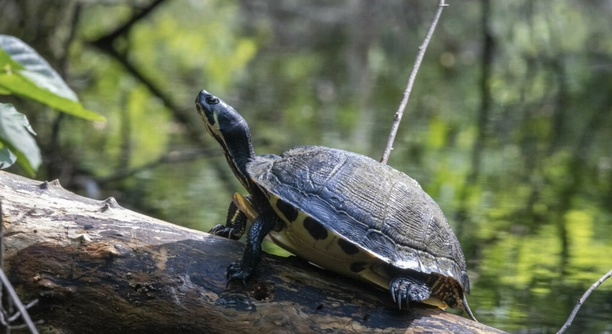
A Yellow-Bellied Slider is a popular pet turtle that thrives in well-maintained tank setups. Understanding the signs of a comfortable environment ensures your pet stays happy and healthy. Creating the right habitat is essential for its well-being.
A comfortable Yellow-Bellied Slider tank setup is characterized by proper temperature regulation, a clean water environment, adequate space, proper lighting, and a balanced diet. These factors contribute to a stress-free living space and promote a healthy lifestyle for the turtle.
By observing these signs, you’ll be able to make sure your pet enjoys a safe and thriving environment. Read on to learn more about how to improve your turtle’s tank setup.
Proper Temperature Regulation
For your Yellow-Bellied Slider to thrive, keeping the water at the right temperature is crucial. These turtles require a basking area around 85-90°F and water temperatures between 75-80°F. If the water is too cold, it can slow down your turtle’s metabolism, making them sluggish. On the other hand, too warm water can cause stress and possibly lead to health issues. Using a reliable water heater and thermometer helps maintain consistent conditions. A drop in temperature can cause your turtle to become inactive and might even lead to illness. Keep an eye on the water temperature, as it can fluctuate, especially if the heater is malfunctioning or if the tank is in a drafty area.
A basking lamp can help regulate the warm area. The right light source allows the turtle to dry off, which is vital for their overall health.
Checking the temperature regularly and adjusting when necessary ensures a stable and healthy environment. The temperature plays a significant role in their digestion and behavior, so don’t overlook it. Healthy water temperature will lead to more active and happier turtles.
Clean Water Environment
Maintaining clean water is just as important as temperature regulation. Turtles produce a lot of waste, and without proper filtration, the tank water can get dirty quickly. This can lead to poor water quality and health problems for your Yellow-Bellied Slider. Regular water changes are necessary to keep bacteria and harmful chemicals in check.
A good filtration system is essential. It helps remove debris and keeps the water clear and clean. Without proper filtration, you could see a build-up of toxins, which could stress out your turtle and cause skin or shell issues. Frequent monitoring of the water quality, including pH and ammonia levels, is also necessary for a healthy environment.
A clean tank will provide your slider with a space that feels more like their natural habitat. The cleaner the water, the healthier and more active your turtle will be. Without proper care, dirty water can impact their overall mood and longevity.
Adequate Space
Your Yellow-Bellied Slider needs plenty of space to move around. A cramped tank can cause stress and hinder natural behaviors like swimming and basking. As a general rule, a 40-gallon tank is a good starting point for one adult turtle. Larger tanks are better, especially as the turtle grows.
An overcrowded tank can lead to territorial disputes if you keep more than one turtle. It also increases the chances of water contamination. Keeping enough space will help keep the environment peaceful and hygienic.
Providing ample space allows your turtle to exercise and explore, which is essential for its physical health. When turtles are given room to swim and bask comfortably, it supports their natural behaviors. If you notice your turtle staying in one spot, it may be a sign that the tank feels too small.
Proper Lighting
Proper lighting is another key factor in creating a comfortable tank for your Yellow-Bellied Slider. They need UVB light to process calcium and prevent shell deformities. A good UVB light helps mimic natural sunlight, which they would usually get in the wild.
The basking area should have a heat lamp and a UVB light that stays on for 10-12 hours a day. This setup will allow your slider to bask, absorb the UVB rays, and stay active. It is important to replace UVB bulbs every 6-12 months because they lose their effectiveness over time.
Your turtle needs both heat and UVB light to stay healthy. Without the proper lighting, your slider might suffer from weakened bones and other health problems. Ensure the lighting system is working well by checking the lamps regularly.
A Healthy Diet
A balanced diet is essential for your Yellow-Bellied Slider. They need both plant matter and protein. Offer leafy greens like dandelion or collard greens, and supplement with occasional insects, worms, or fish. Providing variety will keep your turtle healthy and satisfied.
Avoid overfeeding your turtle, as obesity can lead to health issues. Ensure you offer the right amount of food according to its size and age. Remove any uneaten food to prevent water contamination.
Providing a healthy diet will support your turtle’s immune system, energy levels, and overall well-being. A proper diet also helps your turtle thrive long-term, preventing common health issues like shell rot or metabolic bone disease.
Tank Decorations
Tank decorations serve both functional and aesthetic purposes. Floating logs, rocks, and aquatic plants provide hiding spots and climbing areas for your turtle. These additions give your turtle a place to retreat, increasing comfort and reducing stress.
Be sure to include decorations that won’t harm your turtle. Sharp edges or small, swallowable items can cause injuries or digestive blockages. Natural materials like driftwood are a great option. Keep decorations simple but enriching.
The right tank decorations help mimic your turtle’s natural habitat. They encourage mental stimulation and provide your turtle with the opportunity to explore, keeping them active and engaged.
FAQ
What temperature should my Yellow-Bellied Slider’s tank be?
Maintaining the right temperature is crucial for your turtle’s health. The water should be between 75-80°F, with a basking area reaching 85-90°F. These temperatures allow your turtle to digest food properly, stay active, and regulate its body functions. Invest in a reliable water heater and thermometer to maintain consistent conditions. If the water gets too cold, your turtle can become sluggish and lose its appetite, leading to potential health problems. Also, the basking spot should be heated with a UVB light to help your turtle dry off after swimming.
How often should I change the water in my Yellow-Bellied Slider tank?
The frequency of water changes depends on the tank size and the filtration system. Generally, you should perform a partial water change once a week. This helps to remove waste and toxins, keeping the water clean. If your tank is heavily stocked or lacks a good filtration system, you may need to change the water more frequently. Ensure that the water is free from harmful chemicals, and test the pH, ammonia, and nitrate levels regularly. A clean tank promotes a healthy environment for your slider, preventing diseases and stress.
What should I feed my Yellow-Bellied Slider?
A Yellow-Bellied Slider requires a diet that includes both plant matter and animal protein. Feed your turtle leafy greens like collard greens, dandelion, and kale. You can also offer aquatic plants, such as water lettuce or duckweed. For protein, provide worms, crickets, small fish, or commercially available turtle food. A balanced diet ensures proper growth, shell health, and energy. Avoid feeding your slider processed foods or foods that are too high in fats. Overfeeding can lead to obesity, so be mindful of portion sizes and remove any uneaten food to maintain clean water.
How big should my Yellow-Bellied Slider tank be?
A minimum of a 40-gallon tank is recommended for one adult Yellow-Bellied Slider. As your turtle grows, it may need a larger tank, with 75-100 gallons being ideal. The more space your slider has, the better it can swim and explore, leading to a happier, healthier life. Larger tanks also allow for better water filtration and can reduce the frequency of water changes. If you plan on keeping more than one slider, you’ll need even more space to avoid territorial disputes and ensure a clean environment.
How long can Yellow-Bellied Sliders live?
Yellow-Bellied Sliders can live for 20-30 years or longer when properly cared for. Their lifespan depends on factors like diet, tank maintenance, temperature, and overall care. Providing a healthy and stress-free environment will help them live a long, happy life. Regular vet check-ups and observing your turtle for any signs of illness can catch potential issues early, extending their life expectancy. Turtles are slow growers, and their lifespan can be greatly influenced by how well their environment supports their needs.
Do Yellow-Bellied Sliders need a basking spot?
Yes, Yellow-Bellied Sliders need a basking spot to dry off and regulate their body temperature. The basking area should be equipped with a heat lamp and UVB light. A proper basking spot promotes healthy shell growth and allows your turtle to absorb UVB rays, which are necessary for calcium metabolism. If your turtle does not have access to a basking area, it could develop metabolic bone disease or other health issues. The basking area should be easily accessible, with enough space for your turtle to climb and bask comfortably.
Can Yellow-Bellied Sliders live with other turtles?
Yes, Yellow-Bellied Sliders can live with other turtles, but it depends on the tank size and individual temperaments. If the tank is large enough and there are enough basking spots and hiding areas, multiple turtles can coexist peacefully. However, keep an eye on their interactions, as some turtles may become territorial. If aggression or bullying occurs, it’s best to separate them to avoid injuries. Always provide enough space and resources for each turtle to thrive, and monitor their behavior closely, especially when introducing a new turtle into the tank.
How can I tell if my Yellow-Bellied Slider is healthy?
A healthy Yellow-Bellied Slider will be active, alert, and have clear eyes. Its shell should be smooth, with no visible cracks or soft spots. If your turtle is eating regularly, swimming actively, and basking as needed, these are good signs of health. Pay attention to any changes in behavior, such as lethargy, loss of appetite, or irregular swimming. Skin infections or shell rot may also appear as discolored, soft, or damaged areas on the shell. If you notice any of these signs, it’s important to consult a vet for proper care and diagnosis.
Can I put live plants in my Yellow-Bellied Slider tank?
Yes, live plants can be added to your Yellow-Bellied Slider’s tank, and they offer several benefits. Plants provide hiding spots, improve water quality by absorbing excess nutrients, and mimic the natural environment. Some good options for your turtle tank include anacharis, java fern, and water lettuce. However, be aware that turtles may nibble on plants, so choose sturdy plants that can tolerate some damage. Regular maintenance and trimming are necessary to keep the plants healthy and prevent them from becoming too overgrown. Healthy plants can improve the overall aesthetics of the tank and enhance your turtle’s well-being.
Final Thoughts
Creating the right tank environment for your Yellow-Bellied Slider is essential for their health and happiness. By paying attention to the temperature, lighting, and water quality, you can ensure that your turtle thrives in its habitat. Maintaining a clean tank with proper filtration and regular water changes is crucial. This keeps harmful toxins in check and creates a stress-free environment for your turtle to grow and live comfortably. Space is just as important; the more room your turtle has, the better. It allows for swimming, basking, and natural behaviors, which help to keep them active and healthy.
Another key factor is providing a proper diet. Offering a mix of leafy greens, aquatic plants, and protein will give your Yellow-Bellied Slider the nutrients it needs. Overfeeding can lead to weight gain and health problems, so it’s important to give them the right amount of food. Along with the food, make sure to keep the water clean by removing uneaten food regularly. This helps maintain a balanced ecosystem inside the tank. A healthy diet combined with proper tank care ensures that your slider can live a long and healthy life.
Finally, don’t forget to monitor your turtle’s behavior. A healthy Yellow-Bellied Slider will swim, bask, and eat regularly. If you notice any changes in their activity, it may indicate something is wrong. Regular check-ups with a vet can help catch any potential issues early. With the right care, your turtle will enjoy a comfortable environment and live a fulfilling life. It’s a simple process of observing, maintaining, and adjusting as needed. Keeping your turtle’s tank well-maintained not only benefits the turtle but also makes it a more enjoyable pet to have.

Hello,
If you enjoy the content that we create, please consider saying a "Thank You!" by leaving a tip.
Every little bit helps us continue crafting quality advice that supports the health, happiness, and well-being of pets around the world, for pets of all shapes, sizes, and species.
We really appreciate the kindness and support that you show us!