
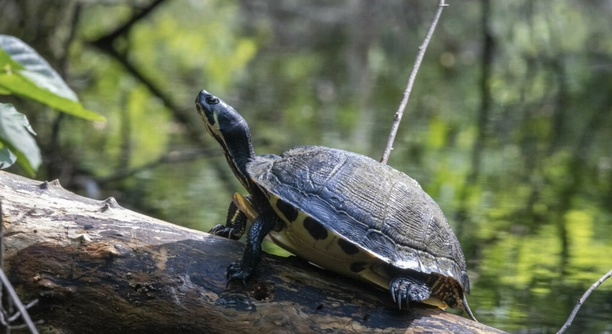
Setting up a tank heater for yellow-bellied sliders is essential for their health and comfort. These turtles require a specific water temperature to thrive, and a heater ensures they stay in the ideal environment year-round.
To set up a tank heater for yellow-bellied sliders, you must first select an appropriate heater for the tank size. Ensure the heater is submerged and properly calibrated to maintain the correct water temperature for your turtles’ health.
Properly installing a heater is crucial for your turtle’s well-being. The following steps will help ensure that the tank is set up just right for your yellow-bellied slider.
Choosing the Right Heater for Your Tank
When setting up a heater for your yellow-bellied slider, choosing the right one is critical. The heater must be able to maintain a stable temperature that mimics their natural habitat. These turtles require a water temperature between 75°F and 80°F. A submersible aquarium heater is typically the best choice as it works efficiently and stays hidden underwater. Make sure the wattage of the heater matches the size of your tank; typically, you’ll need 5 watts per gallon of water. A heater that’s too weak may struggle to maintain the right temperature, while one that’s too powerful could overheat the water. It’s also important to pick a heater with a built-in thermostat to help regulate the temperature automatically, preventing fluctuations.
Investing in a quality heater will save you time and effort in the long run. Opt for one that is specifically designed for reptiles to ensure it’s reliable and safe.
Monitor the heater closely for the first few days to make sure it’s working properly. You may need to adjust the temperature or replace the heater if it doesn’t maintain the proper range. Always check the temperature using a reliable thermometer placed at different spots in the tank to ensure consistency.
Installing the Heater Correctly
The proper placement of your heater is key to maintaining consistent temperatures. It’s crucial that the heater is fully submerged in the water, ensuring it operates efficiently.
Ensure that the heater’s suction cups are securely attached to the side of the tank. This will prevent it from shifting or being knocked out of place, which could disrupt the water temperature.
It’s also recommended to place the heater near the filter output. This helps circulate the warm water evenly throughout the tank. Be cautious about placing the heater directly under any basking platforms, as this could create uncomfortable heat spots. Checking for hot spots in the water will help avoid stress on your turtles.
Testing the Heater Before Use
Before setting the heater in the tank, it’s important to test it. Plug the heater in outside of the tank to see if it’s working properly and holding a steady temperature. Make sure it’s not overheating or fluctuating too much. This step ensures that your heater is functioning as expected and that no surprises happen once it’s submerged.
Once the heater is plugged in, set it to the desired temperature and let it run for a while. Monitor the temperature closely with an aquarium thermometer to ensure accuracy. If the heater has a built-in thermometer, double-check it against the separate thermometer to confirm it’s accurate. If the heater does not hold the set temperature, consider replacing it with one of higher quality or wattage.
Allow the heater to run for a couple of hours before placing it in the tank. If all checks out, it’s ready to be set up for your turtle’s home.
Placing the Thermometer in the Tank
A thermometer is a necessary tool to monitor your heater’s performance. Position it in the tank where it can provide accurate readings of the water temperature. It’s helpful to have more than one thermometer to track the temperature in various locations.
Place the thermometer about halfway down the side of the tank, away from the filter and heater to avoid false readings. This allows you to get a fair representation of the overall tank temperature. Make sure it’s submerged to give you the most accurate reading of the water temperature, not just the air. If you have a digital thermometer, you can place it on the tank’s wall for easy monitoring.
To keep your slider healthy, make sure the temperature readings stay within the 75°F to 80°F range. This stability is crucial for their metabolism and overall well-being. A thermometer will help you adjust the heater if temperatures fluctuate too much, ensuring a comfortable environment.
Adjusting the Heater as Needed
If you notice temperature fluctuations, the heater may need adjustments. If the water is too warm or cold, you can tweak the settings or try repositioning the heater. Constantly check the thermometer to make sure everything stays stable.
Small temperature changes can impact your slider’s health, so it’s important to stay on top of any variations. Don’t wait for the water to become too hot or cold, as it could cause stress or illness. Monitoring the heater frequently will ensure it stays within the proper range for your turtle’s comfort.
Cleaning the Heater Regularly
Regular cleaning of the heater is necessary to ensure proper performance. If algae or calcium build-up forms on the heater, it can reduce its efficiency. A clean heater will help maintain the right water temperature.
Use a soft brush or cloth to gently remove any build-up from the heater. You can also use vinegar diluted in water for tougher stains. Be sure to unplug the heater before cleaning and avoid harsh chemicals that could harm your turtle. Regular maintenance helps extend the heater’s lifespan.
FAQ
How do I know if my heater is working properly?
To ensure your heater is working well, check the water temperature regularly with an aquarium thermometer. The temperature should remain steady between 75°F and 80°F. If the water is too cold or too warm, the heater may need adjusting or replacement. You can also observe your turtle’s behavior; if they seem lethargic or overly active, it could be a sign that the temperature isn’t right. Always double-check the heater’s settings and the thermometer to confirm accuracy.
Can I use any aquarium heater for yellow-bellied sliders?
No, not all aquarium heaters are suitable for yellow-bellied sliders. You need a submersible heater designed for reptiles or aquatic animals. Choose a heater that matches the size of your tank and can handle the required wattage. For example, a 100-watt heater is ideal for smaller tanks (up to 30 gallons), while larger tanks may need 200 watts or more. Make sure the heater has a thermostat to regulate the temperature automatically.
What should I do if my heater causes temperature fluctuations?
If your heater causes temperature fluctuations, it may be malfunctioning or not powerful enough for the tank size. You can adjust the temperature settings, move the heater to a different part of the tank, or replace the heater with a higher wattage one. Always monitor the water temperature closely to avoid stressing your turtle. A malfunctioning heater should be replaced immediately to ensure your turtle’s safety and health.
Is it safe to use a heater with a thermostat built-in?
Yes, heaters with built-in thermostats are generally safe and convenient. They help regulate the water temperature automatically, preventing it from getting too hot or cold. However, always check the heater’s temperature settings and calibrate them if needed. Some heaters may still need occasional monitoring to ensure they maintain the correct temperature range. The thermostat feature is a helpful tool, but it’s essential to double-check the temperature with a thermometer.
How often should I check the heater’s temperature?
You should check the heater’s temperature at least once a day to ensure consistency. During the first few days of setup, check the temperature more frequently to monitor the heater’s performance. Use an aquarium thermometer to get accurate readings, and adjust the heater if necessary. If the water temperature is fluctuating significantly, you may need to adjust or replace the heater. Consistent monitoring will help prevent any health issues for your yellow-bellied slider.
Can I use a heat lamp instead of a water heater?
A heat lamp is useful for providing basking warmth for your yellow-bellied slider, but it cannot replace a water heater. The water needs to stay at a consistent, warm temperature to support your turtle’s health. A heat lamp can create a warm area above the water surface, but it will not heat the water itself. For proper tank setup, both a submersible water heater and a heat lamp are typically required to meet all of your turtle’s environmental needs.
Should I place the heater near the filter or on the opposite side of the tank?
It’s recommended to place the heater near the filter. The filter’s water flow will help distribute the heat evenly across the tank, preventing cold spots. By placing the heater close to the filter’s output, you ensure that the warm water is circulated well throughout the tank. Avoid placing the heater near basking areas to prevent overheating those spots.
Can a heater be too powerful for my tank?
Yes, a heater that is too powerful can overheat the water, causing temperature spikes that may harm your yellow-bellied slider. Be sure to choose a heater that is properly sized for your tank. For example, using a heater meant for a 50-gallon tank in a 20-gallon tank can cause excessive heat, leading to a fluctuating or excessively warm environment. Always match the heater wattage to the size of the tank, and adjust if necessary.
How can I prevent my heater from getting damaged?
To protect your heater, always ensure it is fully submerged and mounted securely in the tank. Avoid touching the heater when it’s plugged in to prevent damage or burns. Keep the heater clean by removing any calcium build-up or algae growth. Regular maintenance will help extend the heater’s lifespan. Additionally, check for any cracks or signs of wear and tear regularly. If you notice any damage, replace the heater immediately to avoid risk to your turtle’s health.
Do I need to turn off the heater at night?
No, you don’t need to turn off the heater at night. Your yellow-bellied slider requires a consistent temperature to stay healthy. A fluctuating temperature between day and night could stress your turtle. Many aquarium heaters are designed to run 24/7 and automatically adjust to maintain a stable temperature. However, if you notice the water is too warm at night, you can adjust the heater settings to keep it in the desired range.
How can I prevent heater burn accidents with my slider?
To avoid heater burn accidents, ensure the heater is placed securely and out of reach of your yellow-bellied slider. A heater guard or cover can be used to protect the heater from your turtle’s curiosity. Additionally, avoid placing the heater near basking spots, as it can become a burn risk if your turtle gets too close. Always choose a heater with a good safety rating to ensure it won’t overheat or malfunction. Regularly inspect the heater for any damage.
Final Thoughts
Setting up a heater for your yellow-bellied slider is a crucial part of creating a comfortable and healthy environment for your turtle. Maintaining the right water temperature is important for their overall health, as it affects their metabolism, digestion, and behavior. By selecting the right heater, placing it correctly in the tank, and regularly monitoring the temperature, you can ensure that your turtle thrives in its habitat. With a little effort and attention, your turtle will enjoy the warmth they need to feel at ease.
When choosing a heater, always keep in mind the size of your tank and the wattage requirements. A heater that is too weak will struggle to keep the water warm, while a heater that is too strong could create dangerous temperature spikes. It’s important to use a submersible heater specifically designed for reptiles and to place it in a spot where it can evenly distribute heat throughout the tank. Adding a thermometer to the tank will help you monitor the water temperature, ensuring it stays in the ideal range for your slider.
Regular maintenance and monitoring are essential for the proper functioning of your heater. Clean it to prevent calcium or algae build-up, and check the temperature often to avoid any fluctuations. If you notice any issues with your heater, such as inconsistent temperature or damage, it’s important to replace it immediately. Taking these simple steps will help ensure that your yellow-bellied slider remains healthy and comfortable in its environment. By paying attention to the temperature and making necessary adjustments, you can create a safe and thriving home for your turtle.

Hello,
If you enjoy the content that we create, please consider saying a "Thank You!" by leaving a tip.
Every little bit helps us continue crafting quality advice that supports the health, happiness, and well-being of pets around the world, for pets of all shapes, sizes, and species.
We really appreciate the kindness and support that you show us!