
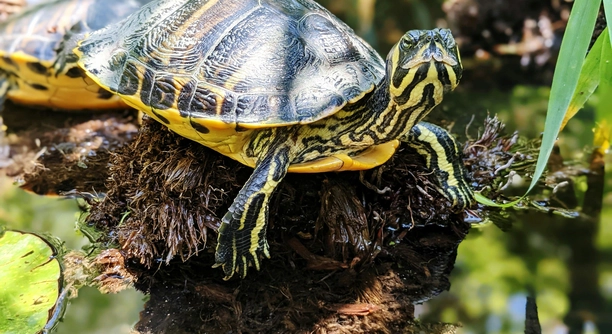
Yellow-bellied sliders can sometimes escape their enclosures and wander outdoors. If you’re trying to capture them safely, there are a few tips that can help you in the process. Knowing the right techniques will make a big difference.
When trying to capture escaped yellow-bellied sliders outdoors, it’s important to stay calm and focused. Start by observing their behavior and patiently approach them. Using a container with water and a gentle net can help you catch them without causing stress.
By following these tricks, you’ll be prepared to handle unexpected escapes. Whether it’s finding their hiding spot or using a lure, these simple tips can make all the difference.
Understanding Their Natural Behavior
Yellow-bellied sliders are known for their curious and active nature. They often wander when they feel safe or if they are looking for food. This behavior means that when they escape, it’s not uncommon for them to seek out areas with water or basking spots. Their instinct to explore may lead them far from home, so you must act quickly to catch them. Understanding this will help you stay prepared in case they wander off.
While they may seem slow, their agility in the water and the ability to move fast on land can make them difficult to catch. They are excellent swimmers and enjoy soaking up the sun on rocks or logs. This behavior can help you predict where they might go.
Keeping an eye out for their favorite areas, such as ponds or secluded spots with sunlight, will guide your search. It’s important to remain calm while they explore, as chasing them can cause stress and make them harder to catch. With patience, you’ll be able to safely bring them back.
Using the Right Tools
The best way to safely capture an escaped yellow-bellied slider is to use the right tools. A container with water helps them feel more at ease.
A large plastic container or bucket filled with water works best. Make sure it’s deep enough to hold the turtle comfortably. Approach the slider slowly, letting it move toward the container. Avoid sudden movements to keep it calm. If the turtle is resting, use a net to gently lift it without startling it. If needed, use a soft towel to wrap it, preventing injury.
Luring the Turtle
Another effective way to catch a yellow-bellied slider is by using food to lure it back. They are attracted to aquatic plants, vegetables, and certain protein-based foods. You can use worms, fish, or lettuce to entice them. Place the food near the escapee’s location and back away. Allow the turtle to come to the food on its own.
This technique works best when the slider is hungry, so keep in mind the timing. Leave the food in a spot where it can easily see it, but don’t hover over it. The goal is to allow the turtle to feel comfortable enough to approach the food and stay focused on it. It’s essential to remain patient during this process, as it might take some time for the turtle to make its move. Once it begins eating, slowly approach the turtle and gently place it back in its enclosure.
Checking Hiding Spots
Yellow-bellied sliders tend to hide in shaded or secluded areas when they feel threatened or tired. Checking these spots regularly can help you spot the turtle before it moves too far away.
They might hide under thick vegetation, fallen leaves, or rocks. Pay close attention to areas near water sources where the turtle may feel safe. Sliders also like to bask in the sun, so searching for them around logs or large flat stones near ponds could be useful.
If you find your slider hiding, use a gentle approach to avoid scaring it. Quietly move closer, and, with patience, carefully scoop it up into a container or net. Keep in mind that yellow-bellied sliders are often good at camouflaging themselves, so take your time to thoroughly search the area.
Patience is Key
When catching a yellow-bellied slider, patience is your best ally. These turtles are cautious and will move slowly when they feel safe. Rushing towards them can make them retreat or hide, making it harder to catch them.
Approach them quietly, without sudden movements. Allow the turtle to come to you or move slowly towards the water. Avoid chasing them, as this can cause them to panic and move further away. If the turtle is near a water source, you may be able to coax it into the water with food or by simply waiting for it to calm down.
It’s important to recognize that patience is crucial. In some cases, it could take time for the turtle to become comfortable enough to move toward you. If you feel frustrated, take a step back, breathe, and refocus your efforts.
Create a Safe Space
Once you’ve captured your yellow-bellied slider, create a safe environment to help it feel comfortable. It’s important that the enclosure is spacious, secure, and closely mimics the turtle’s natural habitat.
The enclosure should have a water source where the turtle can swim, basking spots like logs or rocks, and an area with both sunlight and shade. A solid barrier that prevents escape is essential. Consider adding plants to create a more natural atmosphere. A secure lid can prevent other animals from disturbing your turtle, especially if it’s placed outdoors. Make sure the temperature remains stable, as these turtles need warmth to thrive.
A safe space will help the slider recover from the stress of escaping and keep it from feeling anxious or agitated.
Use a Net for Gentle Handling
A soft net is one of the best tools to catch a yellow-bellied slider without causing harm. The net allows you to safely guide the turtle into a secure container, minimizing stress.
Choose a net with fine mesh to avoid any entanglement. Approach the slider slowly and scoop the net underneath it. This ensures a smooth and calm process, preventing sudden movements that might startle the turtle. Once the turtle is in the net, lift it gently and place it into the container. Avoid handling the turtle too much, as it can cause additional stress.
Monitor the Escape Area
After capturing the yellow-bellied slider, it’s important to monitor the area for any signs of escape. Sliders are persistent and may attempt to get out again.
Regularly check for gaps in fences or enclosures. Ensure that water levels in the habitat are safe, and there are no easy escape routes. It’s essential to stay vigilant, especially after an escape, to prevent future incidents. Adding extra security measures such as higher barriers or more locks can help.
Keep the Turtle Calm
Once the turtle is safely captured, make sure to keep it calm. Excessive handling or stress can harm the turtle’s health.
Limit interactions and give the slider time to adjust. Provide a quiet, secure environment where it can settle down without additional disturbances. Avoid loud noises or any actions that may startle the turtle. It’s crucial to let the turtle feel safe to avoid unnecessary stress.
FAQ
How can I prevent my yellow-bellied slider from escaping in the first place?
To prevent escapes, make sure your enclosure is secure. Use a sturdy, high fence that the turtle can’t climb or push through. Ensure the lid is tightly secured, especially if it’s an outdoor enclosure. Check for weak spots, gaps, or places where the turtle could squeeze through. Also, create a space that mimics the turtle’s natural environment, with water, basking areas, and appropriate temperatures, so it won’t feel the need to roam.
What should I do if my yellow-bellied slider is hiding and I can’t find it?
If your turtle is hiding, check for dark, quiet spots like under rocks, logs, or thick vegetation. These turtles love to seek shelter when they feel threatened. They may also hide near the edges of water, where they feel safer. Take your time and search thoroughly in areas the turtle might feel comfortable. Be patient, and avoid disturbing the environment too much, as this can make the turtle more nervous and harder to find.
Can I use food to lure my yellow-bellied slider back?
Yes, food can be an effective way to lure a yellow-bellied slider back. Use their favorite foods, such as worms, leafy greens, or small fish. Place the food in an area where the turtle can see it but isn’t being watched directly. This will encourage it to come closer. Don’t rush, and give the slider time to approach at its own pace. Once it begins eating, you can slowly and gently capture it.
How do I catch a yellow-bellied slider without scaring it?
Approach the slider slowly and quietly. Sudden movements can startle the turtle, causing it to retreat. If it’s in water, try using a net to scoop it gently, or guide it towards a container. When the turtle is on land, approach from behind and use a calm, deliberate motion to capture it. Avoid chasing the turtle, as this can cause it to panic. A calm environment and patience are key.
What’s the best way to transport an escaped turtle safely?
When transporting your yellow-bellied slider, use a container large enough for it to move comfortably. Make sure the container has some water, as the turtle needs moisture. Cover the container with a lid or cloth to prevent escape, but allow for ventilation. Keep the environment calm, and avoid shaking the container during the transport. Once the turtle is in its new, secure environment, check for any signs of stress.
How often should I check my yellow-bellied slider’s enclosure for escapes?
You should regularly check your turtle’s enclosure, especially after cleaning or maintenance. Look for weak spots or areas where the turtle could potentially escape. Make sure all locks and lids are secure and the fence is intact. Regular checks help you stay on top of any issues that might allow the slider to wander. It’s better to catch small problems early than to deal with a full escape.
How can I help my yellow-bellied slider settle back after an escape?
Once you’ve safely captured your turtle, give it time to calm down. Place it back in its enclosure and ensure it has access to water, basking areas, and a peaceful environment. Avoid handling the slider too much, as it may still be stressed from the escape. Make sure the habitat is secure, and provide some food to help it feel more comfortable. Giving the turtle space and quiet time is essential for its recovery.
What type of net should I use to catch a yellow-bellied slider?
Use a fine mesh net that’s gentle on the turtle’s skin. A net with a soft, non-abrasive material will prevent any injuries while you scoop up the turtle. It should also be large enough to hold the slider comfortably without causing it to feel trapped. Avoid using nets with rough edges or a thick material, as they can harm the turtle or make it anxious.
How can I keep my yellow-bellied slider safe outdoors?
If you keep your yellow-bellied slider outdoors, make sure the enclosure is safe and predator-proof. Use a sturdy fence that’s tall enough to prevent climbing. Make sure there are no gaps where the turtle can squeeze through. Additionally, ensure the area is shaded, and the water source is clean and safe for the turtle. Regularly monitor the environment for any potential dangers, such as nearby predators or extreme weather conditions.
Why is my yellow-bellied slider trying to escape?
Turtles often try to escape because they feel unsafe or bored. If the enclosure doesn’t meet their needs in terms of space, food, or water quality, they might try to find a better environment. Another reason could be improper temperatures. Yellow-bellied sliders need a warm environment with access to both water and basking areas. If these conditions aren’t met, the turtle might try to leave.
Final Thoughts
Catching an escaped yellow-bellied slider may seem challenging, but with the right approach, it can be done safely and efficiently. It’s important to remain calm and patient while searching for the turtle. Sliders are naturally curious creatures, so they might wander, but they often stay near water or shaded areas. Observing their behavior can help you predict where they might go next. Using a gentle net and avoiding sudden movements are key to handling them without causing stress. If you’re dealing with an escape, taking a calm approach will increase the chances of a successful capture.
In addition to catching an escaped slider, it’s important to consider how to prevent future escapes. Ensuring your turtle’s enclosure is secure is the first step. Check for weak spots, gaps, or areas where they could squeeze through. Providing a proper habitat with enough space, clean water, and basking areas will help keep the turtle content and less likely to wander. Also, be sure the temperature is right for your turtle to stay comfortable, as extreme weather or discomfort may drive them to search for a better spot.
Finally, after capturing your turtle, take care to help it feel comfortable and safe. Stress from the escape can take a toll, so it’s important to create a secure and peaceful environment for recovery. Provide food and water, and allow the slider time to adjust back to its enclosure. A little extra care will ensure the turtle settles back in smoothly and remains healthy. Patience, observation, and a secure enclosure are the best ways to prevent escapes and ensure the long-term well-being of your yellow-bellied slider.

Hello,
If you enjoy the content that we create, please consider saying a "Thank You!" by leaving a tip.
Every little bit helps us continue crafting quality advice that supports the health, happiness, and well-being of pets around the world, for pets of all shapes, sizes, and species.
We really appreciate the kindness and support that you show us!