
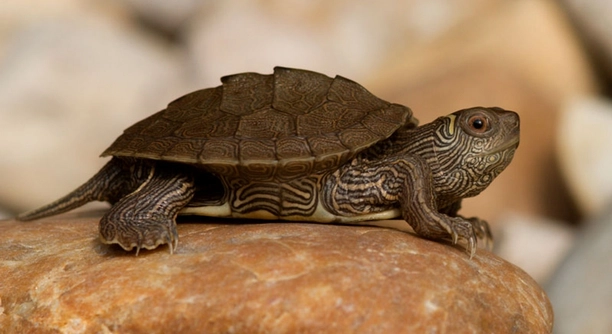
Have you ever thought about adding driftwood to your map turtle tank but weren’t sure if it was safe for them?
To safely add driftwood to your map turtle tank, ensure it’s clean, free of harmful chemicals, and properly prepared. This process involves boiling or soaking the wood to eliminate toxins and pests.
Choosing the right driftwood ensures a healthy and visually appealing habitat for your turtle. Learn how to prepare, select, and maintain it to enhance your turtle’s tank environment.
Why Add Driftwood to Your Map Turtle Tank?
Driftwood isn’t just decorative; it offers practical benefits for your map turtle tank. It creates natural hiding spots, mimics their natural habitat, and even releases tannins, which can improve water quality. These features help your turtles feel secure and at home, promoting their overall well-being.
Adding driftwood provides more than aesthetic appeal. It enhances your turtle’s environment by supporting physical activity, offering basking opportunities, and creating a dynamic underwater space. These elements contribute to a more stimulating and enriching habitat for your map turtle.
Ensure the driftwood is suitable for aquatic use. Not all wood types are safe, as some may release harmful substances into the water. Stick to commonly used aquarium-safe options like mopani, manzanita, or Malaysian driftwood to avoid issues.
Preparing Driftwood for Your Turtle Tank
Proper preparation ensures the driftwood is safe for your turtles. Always start by cleaning the wood thoroughly to remove dirt and debris.
Soak or boil the driftwood to eliminate harmful organisms and tannins that could cloud the water. This step also helps it sink, making placement easier. It may take days to weeks of soaking, so patience is essential.
Check the wood for sharp edges or splinters that could harm your turtles. Sand down any rough spots before adding the wood to the tank. Once prepared, position the driftwood securely to prevent it from shifting, ensuring a safe and stable addition to your turtle’s habitat.
How to Choose the Right Driftwood
Select driftwood specifically labeled for aquarium use. These options are treated to ensure they’re free of harmful substances that could affect water quality or harm your turtles.
Avoid using driftwood collected from natural sources unless you can guarantee it’s safe. Untreated wood might contain pests, toxins, or pollutants that can harm your turtles or disrupt the tank’s environment. Common aquarium-safe types include mopani, manzanita, and Malaysian driftwood, which are durable and release minimal tannins.
Choose pieces that fit the size of your tank and allow for your turtle’s natural movement. Large, stable pieces provide climbing and basking areas, while smaller ones can create hiding spots. Check for smooth edges to prevent injuries and avoid overly soft or decayed wood, as it may break down quickly in water.
Maintaining Driftwood in Your Tank
Monitor the driftwood regularly for signs of decay or algae buildup. Remove any loose or decomposing fragments to keep the tank clean.
Routine water changes help manage tannin levels and prevent excessive discoloration. If algae form, gently scrub the driftwood with a soft brush, avoiding harsh chemicals that could harm your turtle or the tank’s ecosystem.
With proper care, driftwood remains a safe, natural, and enriching addition to your map turtle’s habitat.
Common Issues with Driftwood
Driftwood may release tannins into the water, causing a brownish tint. While generally harmless, excessive tannins can alter water chemistry. Regular water changes and pre-soaking the wood help reduce this effect.
Mold or fungal growth can appear on new driftwood. This is a natural process and typically resolves on its own. If needed, gently scrub the affected areas to manage the issue.
Benefits of Regular Driftwood Maintenance
Maintaining driftwood ensures it remains a safe and attractive part of your turtle’s habitat. Regular cleaning prevents algae buildup and decay, while monitoring water quality keeps conditions stable. These simple steps extend the life of the driftwood and protect your turtles.
Choosing Safe Decorations
Always prioritize non-toxic, aquarium-safe materials for tank decorations. Unsafe items can harm your turtles or disrupt their environment.
FAQ
What types of driftwood are safe for map turtles?
Aquarium-safe driftwood types like mopani, manzanita, and Malaysian driftwood are ideal. These woods are durable, release minimal tannins, and are free of harmful chemicals. Avoid untreated or collected wood, as it may contain toxins or pests.
How do I prepare driftwood for my turtle tank?
Start by cleaning the driftwood with a stiff brush to remove dirt and debris. Then, soak or boil it to eliminate toxins, pests, and excess tannins. Boiling speeds up the process, but soaking can take several days to weeks.
How long should I soak driftwood before adding it to the tank?
Soaking time depends on the size and type of wood. Some pieces require only a few days, while others may take weeks. Change the water regularly to remove tannins and ensure the wood becomes waterlogged and sinks.
Can driftwood affect my tank’s water chemistry?
Yes, driftwood releases tannins that can lower pH levels and tint the water brown. While tannins are generally harmless, excessive amounts might alter water chemistry. Regular water changes and proper preparation help control tannin release.
What should I do if my driftwood grows mold or fungus?
Mold or fungus is common on new driftwood and usually harmless. It often resolves naturally, but you can gently scrub the affected areas with a soft brush. Avoid using harsh chemicals, as they could harm your turtles.
How can I secure driftwood in the tank?
Place the driftwood in a stable position where it won’t shift or fall. If needed, attach it to a heavy rock with aquarium-safe silicone or use suction cups designed for tank decorations to keep it in place.
What size of driftwood is best for a map turtle tank?
Choose a size that fits your tank and allows for your turtle’s movement. Larger pieces provide basking and climbing areas, while smaller ones can create hiding spots. Ensure the wood doesn’t overcrowd the tank or restrict swimming space.
Is driftwood necessary for a map turtle tank?
While not strictly necessary, driftwood offers several benefits. It enhances the habitat, provides basking and hiding spots, and mimics a turtle’s natural environment. Including it creates a more enriching and stimulating space for your turtles.
How often should I clean driftwood in the tank?
Inspect the driftwood weekly for algae, decay, or debris. Clean it as needed using a soft brush and water. Routine maintenance helps keep the tank environment safe and ensures the wood stays in good condition.
Can driftwood harm my turtles?
If properly prepared and maintained, driftwood is safe for turtles. However, unprepared wood or pieces with sharp edges can pose risks. Always check for splinters, rough spots, or decay before adding it to the tank.
What should I do if the driftwood floats?
Floating driftwood usually needs more soaking. Weigh it down in a separate container or attach it to a rock in the tank using aquarium-safe materials. Over time, the wood will become waterlogged and sink naturally.
Are there alternatives to driftwood for turtle tanks?
Yes, artificial decorations like resin logs or plastic plants can serve as alternatives. However, natural driftwood offers unique benefits like tannin release and a more authentic appearance. Choose based on your tank setup and preferences.
Final Thoughts
Adding driftwood to your map turtle tank is a simple way to create a healthier and more natural environment for your pet. It provides hiding spots, basking areas, and enhances the overall aesthetic of the tank. With the right preparation, driftwood can safely mimic your turtle’s natural habitat, supporting their physical and mental well-being. It’s an excellent addition to their setup when done correctly.
Preparing and maintaining driftwood may take some effort, but the results are worth it. Proper cleaning, soaking, and monitoring ensure the wood doesn’t negatively impact water quality or pose risks to your turtles. Regular checks for decay or algae keep the tank safe and looking great. These small steps can make a big difference in creating a stable and enriching environment for your turtles to thrive.
Driftwood is more than just decoration—it’s a practical and beneficial addition that can improve your map turtle’s quality of life. Choosing the right wood, preparing it carefully, and keeping up with maintenance will help you make the most of this natural feature. Your turtles deserve a habitat that supports their health and happiness, and with a little care, driftwood can play an important role in achieving that goal.

Hello,
If you enjoy the content that we create, please consider saying a "Thank You!" by leaving a tip.
Every little bit helps us continue crafting quality advice that supports the health, happiness, and well-being of pets around the world, for pets of all shapes, sizes, and species.
We really appreciate the kindness and support that you show us!