
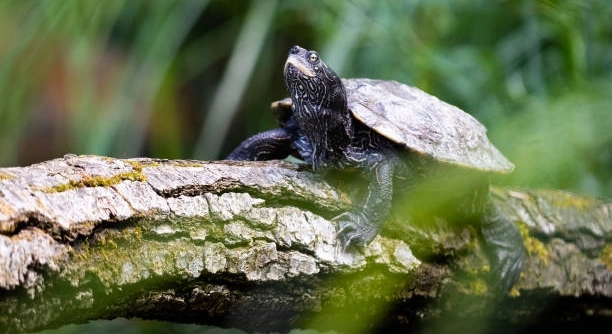
Photographing map turtles can be a rewarding experience. Capturing their unique movements and beautiful shells requires the right skills and equipment. Whether you’re a beginner or an experienced photographer, these tips can help you get the best shot.
To photograph map turtles in action, it’s important to focus on their natural habitat and movements. A fast shutter speed and good timing are essential to capture clear, sharp images while respecting their environment.
Mastering these techniques will help you take better photos of map turtles. You’ll learn about the right camera settings and angles that bring out their beauty.
1. Understand Their Natural Habitat
Map turtles are often found in freshwater areas like rivers, lakes, and ponds. They enjoy basking on rocks or logs and are usually active during the warmer months. When photographing them, it’s important to respect their space and avoid disturbing their natural behaviors. It’s best to observe them from a distance, allowing their movements to unfold naturally. In addition to patience, a good understanding of their environment is essential to capturing stunning photos.
Their habitat plays a key role in how they move and behave. Understanding these areas will help you predict their actions. Whether they’re swimming or basking, knowing where they spend their time is key to finding the perfect spot for your shot.
Be sure to consider the weather conditions, as map turtles are more likely to be active during sunny, warm days. The right time of day can make a significant difference in lighting and behavior. Avoid photographing during harsh midday light, as it creates shadows and washes out details.
2. Use the Right Equipment
The best equipment for photographing map turtles includes a DSLR or mirrorless camera with a fast shutter speed. A telephoto lens is highly recommended, as it allows you to capture them from a distance without disturbing them. A tripod can also be helpful for stable shots, especially in low-light conditions.
A longer lens lets you focus on the turtle without getting too close, which is crucial for avoiding any unwanted interactions. With a fast shutter speed, you can freeze their quick movements, whether they’re swimming or basking.
In addition to the right camera gear, consider using a polarizing filter to reduce glare from the water and enhance the colors of the environment. A filter can help bring out the vibrant greens and blues of the surroundings, creating more dynamic images.
3. Master Timing and Patience
Map turtles can be unpredictable, so timing is crucial. Their behavior often depends on the environment around them. Watching their movements closely allows you to anticipate when they’ll be active.
Patience is necessary. Map turtles often stay still for long periods before suddenly diving into the water or moving to another spot. The best approach is to set up your shot and wait. By observing their habits, you can learn when they’re more likely to bask or swim, helping you prepare for the perfect moment.
Using burst mode can also help capture fast movements, ensuring you don’t miss any key action. But remember, don’t rush the process—waiting for the right moment often leads to the best photos.
4. Be Aware of Lighting
Lighting can make or break your photos. Early morning or late afternoon light, also known as the golden hour, provides softer, warmer tones that highlight the map turtle’s shell patterns and the surrounding environment.
Harsh midday sun often creates unflattering shadows and overexposed areas. Try to position yourself so that the light enhances the turtle’s natural features. If you’re photographing near water, reflect the light from the surface to create a beautiful effect.
Cloudy days can also offer diffused light, making it easier to capture details without worrying about strong contrasts. It’s important to experiment with different lighting conditions to find the best way to showcase the map turtle’s features.
5. Focus on the Details
When photographing map turtles, focusing on the details can create striking images. Close-ups of their unique shell patterns, eyes, and textures will highlight their beauty. These small features often tell a story.
Pay attention to the turtle’s movement and how their shell reflects light. The intricate patterns can be stunning when captured in good light. You can also focus on other features, such as their claws or the way their skin contrasts with the water.
The more you focus on the small details, the more you’ll be able to showcase the true essence of map turtles.
6. Capture Their Behavior
Map turtles display interesting behaviors, such as basking in the sun, swimming, and diving. These actions make for dynamic photos that show the turtle’s personality.
To capture their behavior, you’ll need to be quick with your camera settings and aware of their movements. Focus on their natural reactions and let the photo tell a story.
Getting a clear shot while the turtle is in motion adds excitement to the image. It gives the viewer a sense of action and connection to the moment.
7. Respect the Turtle’s Space
While taking photos, it’s important to respect the turtle’s space. Getting too close can stress the animal and disturb its natural habits.
Allow the map turtle to feel comfortable in its environment. By maintaining a respectful distance, you’ll not only capture better images but also protect the turtle from unnecessary stress.
FAQ
What camera settings should I use to photograph map turtles?
For clear and sharp images of map turtles, use a fast shutter speed (at least 1/500 second) to capture their quick movements. A smaller aperture (f/8 or f/11) will help maintain depth of field, ensuring both the turtle and its surroundings are in focus. Adjust the ISO based on light conditions—keep it as low as possible to reduce noise. If you’re shooting in low light, bump up the ISO but avoid going too high, as it can affect the image quality. Using continuous autofocus (AI Servo or AF-C) is helpful when the turtle is moving.
How do I avoid scaring the turtle while photographing?
Staying at a respectful distance is key. Sudden movements or loud noises can make the turtle feel threatened. Approach quietly and avoid making abrupt gestures that might startle it. You can use a long lens to keep your distance while still getting great shots. It’s also helpful to observe the turtle for a while before taking photos so you can get a sense of its behavior and avoid disturbing it. If the turtle seems stressed, back off and give it space.
When is the best time of day to photograph map turtles?
The best time to photograph map turtles is during the golden hours—early in the morning or late in the afternoon. This time of day provides softer, warmer lighting that enhances the turtle’s features and creates beautiful shadows. Avoid midday when the sun is harsh, as it can cause overexposure and unflattering shadows. If the weather is cloudy, it can act as a natural diffuser, giving you even, diffused light throughout the day.
How can I photograph map turtles in the water?
Photographing map turtles in water can be tricky but rewarding. To get sharp underwater shots, consider using a waterproof camera or a housing for your camera. A fast shutter speed is crucial to avoid blur from water movement. You may need to use a higher ISO if the water is darker or cloudy. Position yourself at an angle where you can see the turtle clearly while keeping water reflections to a minimum. Be patient, as getting the perfect shot may take time.
Should I use a tripod when photographing map turtles?
A tripod can be helpful, especially in low light conditions or when photographing a stationary turtle. It will help stabilize your camera and ensure sharp images. However, if you’re shooting a turtle in motion or need to quickly adjust your position, a tripod can be limiting. Consider using a monopod for more mobility. If you’re using a long lens, a tripod is often necessary to prevent camera shake and ensure clear, crisp photos.
Can I take close-up photos of map turtles without disturbing them?
Yes, it’s possible to take close-up photos of map turtles without disturbing them. Use a long telephoto lens to get close shots from a distance. This way, you don’t have to approach too closely, which might make the turtle feel threatened. Take your time, move slowly, and avoid sudden movements. The turtle’s natural behavior will be more evident when it feels comfortable.
What is the best lens for photographing map turtles?
A telephoto lens is ideal for photographing map turtles. A lens with a focal length of at least 200mm allows you to capture sharp images without getting too close. A longer lens (300mm or more) can help you isolate the turtle from its environment, creating a more intimate shot. If you’re photographing in low light, consider a lens with a large aperture (f/2.8 or f/4) to gather more light.
How do I capture the turtle’s movement?
Capturing a map turtle’s movement requires quick reflexes and the right settings. Use a fast shutter speed (1/500 second or higher) to freeze the action. Continuous autofocus will ensure the turtle stays in focus as it moves. If the turtle is swimming, try using burst mode to take multiple shots in a short time. Be prepared to adjust your angle and composition as the turtle moves.
What types of lighting work best for turtle photography?
Natural light works best for turtle photography, especially soft light during the golden hours. Early morning and late afternoon provide a warm, diffused light that enhances the turtle’s features and surrounding environment. If shooting during midday, try to find shaded areas to reduce harsh shadows and overexposure. On cloudy days, the diffused light can create a flattering, even exposure. If you’re shooting in the water, using a polarizing filter can reduce glare and improve colors.
Can I photograph map turtles in a zoo or aquarium?
Yes, photographing map turtles in a zoo or aquarium can be a great way to capture them in a controlled environment. Zoos often provide a closer, more predictable setting, allowing you to focus on the turtle without worrying about wildlife behavior. However, be mindful of reflections in the glass at aquariums. Adjust your position to avoid getting the glass in the shot or use a polarizing filter to reduce reflections. Make sure to respect the space and not get too close to the enclosures.
Final Thoughts
Photographing map turtles can be a fun and rewarding experience if approached with the right mindset. The key is to understand their behavior, patience is essential, and respecting their natural environment will help you get the best photos. By taking the time to observe and learn about the turtles’ movements, you can anticipate their actions and be ready to capture those perfect moments. Every photograph is a unique opportunity to showcase their beauty and natural behavior, whether they are basking in the sun or swimming in the water.
Using the right equipment is also critical. A good camera with a fast shutter speed, a telephoto lens, and a tripod (when necessary) will help you get sharp, clear shots. Pay attention to your settings, especially lighting, and try to capture the details that make map turtles special. Whether it’s their intricate shell patterns or the way they interact with their surroundings, these small details can tell a compelling story.
Ultimately, the goal is to capture the map turtles in a way that honors their natural beauty without disturbing them. Respecting their space, understanding their behavior, and taking your time to observe will ensure that you not only get great photos but also help protect these amazing creatures. With practice and patience, you’ll find yourself better equipped to capture their essence in a way that will impress both you and anyone who sees your photos.

Hello,
If you enjoy the content that we create, please consider saying a "Thank You!" by leaving a tip.
Every little bit helps us continue crafting quality advice that supports the health, happiness, and well-being of pets around the world, for pets of all shapes, sizes, and species.
We really appreciate the kindness and support that you show us!