
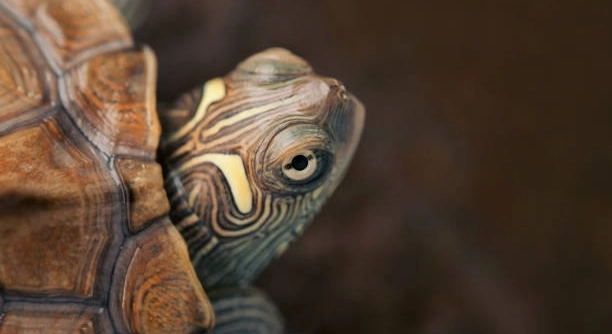
Do your map turtles sometimes try to escape their enclosures? Many turtle owners face this challenge as their pets try to explore beyond their tanks. Ensuring a secure and comfortable habitat for them is crucial for their well-being.
To make a map turtle enclosure escape-proof, you need to focus on proper lid fittings, secure walls, and consistent monitoring of weak spots. A well-designed enclosure prevents escapes, providing both safety and comfort for your turtle.
You’ll discover practical solutions for setting up a secure enclosure. With the right approach, you can ensure your turtle stays safe while enjoying its environment.
Why Map Turtles Try to Escape
Map turtles are naturally curious creatures. They often try to escape their enclosures because they’re seeking more space, a change of environment, or something new to explore. When their enclosure doesn’t meet their needs, turtles may feel the urge to venture beyond it. It’s important to understand that this behavior isn’t a sign of unhappiness or distress, but simply part of their instinct to explore.
A proper enclosure should provide enough room for swimming, basking, and hiding. It should also mimic their natural environment as closely as possible. Without these elements, your turtle might start looking for an exit. Creating an environment that feels safe and stimulating reduces the urge to escape.
Turtles also need variety in their environment to keep them engaged. Adding new decorations, plants, or enrichment activities can distract them from trying to leave their tank. However, even with a well-designed habitat, a solid, escape-proof enclosure is key to ensuring your turtle stays where it belongs.
Creating a Secure Enclosure
When designing an escape-proof enclosure, focus on the materials and structure.
First, ensure the walls are high enough to prevent climbing or tipping. Using materials like glass or sturdy plastic works best. Adding a strong lid that fits securely is also a must. It’s important that the lid is tightly sealed, as turtles can be surprisingly strong.
A secure enclosure should have no gaps where your turtle could squeeze through. Double-check any areas where cords or pipes may enter the tank, as they can create escape routes. Pay close attention to the corners and edges of the enclosure to ensure that they are properly sealed. Turtles are skilled at finding weak spots and slipping through them if given the chance.
Providing the Right Environment
In addition to security, your map turtle’s enclosure must provide the right environment for it to thrive. Ensure the tank has enough space for swimming and basking. A shallow water area that allows the turtle to easily get in and out of the water is essential. It’s also important to have a dry basking area with proper lighting so your turtle can regulate its body temperature.
Consider adding natural elements like rocks, logs, and plants. These can serve as hiding spots and create a more stimulating environment. Turtles need both stimulation and comfort, and the right balance of space and enrichment can keep them from trying to escape. This setup can also improve their health by offering them a natural habitat to explore.
Turtles are also sensitive to their environment’s cleanliness. Regular water changes and tank cleaning are crucial to prevent health issues and keep your turtle happy. If their habitat is kept clean and comfortable, they’ll be less likely to try escaping.
Choosing the Right Tank Size
Map turtles need plenty of space to move around. A small tank can lead to stress and increased attempts to escape. A larger tank provides enough room for swimming, basking, and hiding. A tank that is at least 40 gallons is ideal for a single adult map turtle.
Larger tanks also help maintain water quality. With more space, the water can circulate better, keeping it cleaner for longer. If your turtle feels cramped or the water quality suffers, it might start looking for a way out. A spacious environment is key to keeping your turtle happy.
When selecting a tank, consider future growth. Map turtles can grow quite large, so plan for their adult size to avoid needing an upgrade later. Having a large enough space means fewer chances of escape and a healthier environment overall.
Providing Proper Heating and Lighting
Map turtles need a heat source to regulate their body temperature. A basking light is essential to create a warm area where they can dry off and rest. Without proper lighting and temperature control, your turtle could try to leave in search of better conditions.
Install a UVB light to ensure your turtle gets the necessary exposure to UV rays. This helps them process calcium and maintain healthy shell growth. Without it, their health could decline, causing them to become restless. Make sure the basking spot is positioned to keep it warm enough while not too hot.
Along with the basking light, provide a cool area for your turtle to escape the heat when needed. A varied temperature gradient in the tank will give your turtle the freedom to choose the best spot to regulate its body heat.
Securing the Tank Lid
A secure lid is essential to keep your map turtle inside. If the lid is loose or easy to remove, your turtle may find a way to escape. Choose a lid that fits snugly and locks in place to prevent your turtle from getting out.
Ensure the lid is made of sturdy material like glass or mesh. Avoid using a lightweight or flimsy lid that can be moved easily by your turtle. If using a mesh lid, make sure the gaps are small enough to prevent your turtle from slipping through.
Avoiding Overcrowding
Overcrowding can stress your turtle and lead to escape attempts. Keep in mind that each turtle needs its own space. A crowded environment may not only increase the risk of escapes but can also cause aggressive behavior among turtles.
A single map turtle should have enough room to move freely and establish territories. More than one turtle in a tank requires significantly more space. Overcrowding leads to poor water quality and unhealthy conditions, which may prompt your turtle to seek an escape route.
Water Filtration System
A good filtration system is crucial to maintaining clean water in your turtle’s tank. Map turtles are messy eaters, and their waste can quickly degrade water quality. A reliable filter helps keep the water clean and clear, reducing the need for constant water changes.
Make sure the filter is appropriate for the tank size and that it’s regularly cleaned and maintained. A strong filtration system helps prevent the buildup of harmful chemicals in the water, ensuring your turtle stays healthy and comfortable. When water conditions are ideal, your turtle is less likely to try escaping in search of cleaner surroundings.
FAQ
How can I tell if my map turtle is trying to escape?
If your map turtle is constantly attempting to climb the walls of the enclosure or seems restless, it could be trying to escape. Look for signs such as your turtle pushing against the sides or finding spots where it could slip out. You might also notice your turtle spending more time near the edges of the tank, as if searching for a way out. If your turtle is attempting to leave frequently, it might be a sign that the enclosure isn’t providing enough stimulation or comfort. Make sure the tank is large enough, and check for any weak spots where the turtle might squeeze through.
What should I do if my turtle escapes?
If your turtle escapes, first ensure the area around the tank is safe. Map turtles can hide in unexpected places, so check behind furniture or in corners of the room. Once you find your turtle, return it to the tank immediately. Consider modifying the enclosure to eliminate potential escape routes. Look at the tank’s lid, walls, and corners for any possible weak spots. If necessary, upgrade the tank to a larger or more secure one. Avoid making the same mistakes by securing the enclosure properly after each cleaning or maintenance.
Can map turtles climb walls?
Yes, map turtles are surprisingly skilled climbers. They can climb glass, plastic, and even mesh walls if they are low or slippery. If the tank’s sides are too short, your turtle may attempt to scale them. Ensure the walls of your enclosure are tall enough to prevent climbing, and consider using a lid that prevents any escape attempts. You can also place rocks, logs, or other objects in the tank to reduce the turtle’s desire to climb or find higher ground.
How do I keep my turtle from escaping without using a lid?
It’s possible to make your map turtle’s enclosure escape-proof without a lid, but you need to ensure the walls are tall enough and that there are no gaps in the structure. Use a deep tank with high walls that your turtle cannot easily climb. You can also add smooth surfaces inside the tank to prevent your turtle from finding footholds to climb. However, using a lid is still the most effective way to secure your turtle’s enclosure. If you don’t want a lid, be sure to have a tank with sturdy sides and check regularly for any potential weak spots.
How often should I clean my map turtle’s tank to prevent escape attempts?
Clean your map turtle’s tank regularly to maintain a healthy environment. The water should be changed at least once a week to keep it fresh, while the entire tank (including the basking area) should be cleaned every month. Clean water helps reduce stress and prevents health problems that could make your turtle restless and more likely to attempt an escape. A clean tank, combined with proper filtration, will keep your turtle calm and reduce the chance of escape attempts.
Can a map turtle escape from an outdoor enclosure?
Outdoor enclosures can be more challenging to secure. While a map turtle may enjoy spending time outdoors, they can easily find ways to escape. A secure outdoor enclosure requires high walls that prevent climbing, as well as a strong lid or cover. If you’re building an outdoor enclosure, ensure that the materials are durable and that the structure is sealed tightly to prevent any gaps. Monitor the temperature and provide shade and shelter to make the outdoor enclosure comfortable. Remember, map turtles are excellent escape artists, so be vigilant in making sure their outdoor home is secure.
How can I make sure my turtle’s tank is comfortable enough to prevent escapes?
Make your turtle’s enclosure as comfortable as possible to reduce the desire to escape. Provide plenty of swimming space, a basking area with proper UVB lighting, and places to hide or rest. If the turtle has a secure, stimulating environment with appropriate temperature and humidity, it will be less likely to try escaping. Ensure that the water is clean and the temperature remains steady. You can also add a few decorations, plants, or logs to create hiding spots that mimic their natural habitat, keeping them engaged and content.
Can I keep multiple map turtles in one tank?
Yes, you can keep multiple map turtles in the same tank, but you need to ensure there is enough space for each turtle. Overcrowding can lead to territorial disputes and increased stress, which may prompt your turtles to try escaping. A good rule of thumb is to have at least 10 gallons of water per turtle. Make sure the tank has plenty of hiding spots and basking areas so that each turtle can have its own space. If you’re keeping multiple turtles, it’s essential to monitor them closely for signs of aggression or stress and adjust the setup accordingly.
What type of substrate should I use to keep my turtle from escaping?
The substrate in your map turtle’s enclosure should be chosen carefully. Use sand, gravel, or non-abrasive rocks that are easy to clean and prevent the turtle from digging out. Avoid using substrates like fine sand or loose dirt, as they can make it difficult to maintain a clean environment and could potentially allow your turtle to escape if the tank walls are not high enough. Ensure that the substrate is safe for your turtle and doesn’t create areas where the turtle could squeeze through gaps in the tank. Keeping the substrate level even will help maintain stability in the enclosure.
Are there any specific materials I should avoid in my turtle’s enclosure?
Avoid using materials that could be harmful to your map turtle or make escape attempts easier. For example, thin or weak plastic may not be durable enough to prevent climbing or escaping. Mesh is another material that can work well for ventilation but should have small enough gaps to prevent your turtle from slipping through. Also, avoid sharp objects or rough materials that could harm your turtle’s delicate skin and shell. Use materials like sturdy glass, thick plastic, or acrylic to ensure both safety and security for your turtle.
Do map turtles need a special type of lighting to prevent escape attempts?
Proper lighting is crucial for your map turtle’s health and well-being, but it also helps reduce escape attempts. Map turtles need both UVB light for calcium absorption and a basking light to regulate their body temperature. Without these, your turtle may become stressed, which could increase the likelihood of escape. Install a UVB light source above the basking area and keep the light on for 10-12 hours daily. A regulated lighting system creates a natural day-night cycle that keeps your turtle healthy and less likely to try escaping in search of better conditions.
Final Thoughts
Creating an escape-proof enclosure for your map turtle requires attention to detail. It’s not just about providing a secure tank, but also ensuring the space meets your turtle’s physical and mental needs. Map turtles are naturally curious, and when they feel confined or uncomfortable, they will try to find ways out. By making sure the enclosure is large enough, the water is clean, and the temperature is right, you can help reduce the chances of your turtle trying to escape.
In addition to securing the enclosure, consider enriching your turtle’s environment. Adding natural elements like plants, rocks, and logs can help keep your turtle engaged and reduce stress. Turtles are more likely to attempt an escape when they feel bored or confined in a monotonous environment. By providing areas to hide, bask, and swim, you make the tank a more enjoyable place for them. This creates a balance between security and stimulation, which will make your turtle feel safer and more content.
Lastly, consistency is key. Regularly check the tank for any weaknesses or areas where your turtle might find an escape route. Routine maintenance, such as cleaning the tank, checking the water quality, and ensuring the lighting is correct, keeps everything in optimal condition. An enclosure that is secure, clean, and comfortable will reduce your turtle’s desire to escape, leading to a happier and healthier pet. By staying proactive with the care of your turtle’s environment, you can provide it with the best possible living space.

Hello,
If you enjoy the content that we create, please consider saying a "Thank You!" by leaving a tip.
Every little bit helps us continue crafting quality advice that supports the health, happiness, and well-being of pets around the world, for pets of all shapes, sizes, and species.
We really appreciate the kindness and support that you show us!