
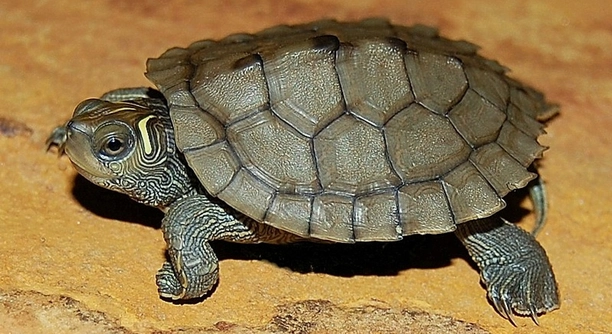
Map turtles are fascinating creatures, but their behavior can sometimes leave us puzzled. One common issue many turtle owners face is a decrease in their turtle’s appetite during rainy seasons. This article will explore why that happens.
During rainy seasons, map turtles often eat less due to changes in their environment, such as decreased sunlight, cooler temperatures, and changes in water quality. These factors can cause them to be less active and less interested in food.
Understanding the factors behind your turtle’s reduced appetite can help ensure their well-being. In this article, we’ll explain the environmental changes affecting your map turtle’s feeding habits.
Environmental Changes During Rainy Seasons
When the weather changes, especially during rainy seasons, your map turtle’s environment undergoes significant shifts. The drop in temperature and lower levels of sunlight can reduce their activity levels, making them less interested in food. Rain can also affect the water quality, leading to potential changes in the turtle’s habitat. Map turtles are sensitive to these factors, and their natural response is to eat less when conditions are not ideal.
During rainy seasons, the cooler weather and overcast skies limit your turtle’s exposure to sunlight. As a cold-blooded animal, the lack of warmth can cause your turtle to become more sluggish. When they are less active, their need for food decreases as they burn fewer calories. Additionally, the rainfall can lead to fluctuations in water quality, which might make your turtle hesitant to eat.
The combination of these environmental factors makes it difficult for map turtles to maintain their usual eating habits. Their metabolic rate slows down, and they don’t feel the same need to forage for food. This natural response helps them conserve energy and stay comfortable during less favorable conditions. Understanding these changes can help you adjust your care routine accordingly.
How Temperature Affects Appetite
Temperature plays a key role in your map turtle’s appetite. When it’s cooler, their metabolism slows down, meaning they need less food.
During the rainy season, the cooler temperatures often cause map turtles to be less active, which is one of the main reasons they eat less. When the temperature drops, turtles require less energy to maintain their body temperature, which leads to a decrease in their food intake. In the wild, they instinctively conserve energy during colder, wetter conditions. This behavior is essential for their survival, and in captivity, they can exhibit the same pattern.
If you notice your map turtle eating less during these months, it’s likely because it’s trying to regulate its body temperature. You can help by providing a warm basking area so your turtle can adjust when it needs to. However, if the temperature remains cooler for extended periods, it’s normal for them to be less interested in food. Adjusting their habitat to ensure they have the right temperature range can help maintain their health and appetite.
Changes in Water Quality
Rain often introduces new elements into the water, like dirt and chemicals, which can affect the water quality. Poor water quality can make your turtle reluctant to eat.
Map turtles are sensitive to their water environment. Rainwater can wash pollutants into their habitat, reducing the water quality. This change can cause discomfort or stress for your turtle. Turtles need clean, clear water to thrive, and when it becomes murky or contaminated, they may refuse food. It’s important to regularly check the water during rainy periods to ensure it’s clean and safe for your turtle.
If you notice your map turtle eating less or acting sluggish, it could be because of poor water quality. Frequent water changes, proper filtration, and water testing are necessary during rainy seasons to keep the environment healthy. Taking these steps ensures your turtle stays comfortable and can return to its regular eating habits once conditions improve.
Behavior Adjustments During Rain
Rain affects your map turtle’s behavior, and it might be more likely to stay hidden. This instinctive response can lower its food intake.
Map turtles are naturally inclined to seek shelter when it rains. In the wild, this is often a survival tactic to avoid predators. In captivity, your turtle might retreat to its hiding spots more frequently during rainy weather. This withdrawal is linked to their instincts for self-protection, and as a result, they eat less.
The increase in hiding behavior during rainy seasons may reduce their appetite. To prevent this, make sure your turtle has a variety of hiding places in its enclosure. This way, it can feel secure without feeling the need to withdraw entirely. Ensuring your turtle’s environment is both stimulating and comfortable helps it stay active and maintain regular eating habits.
Reduced Sunlight Exposure
Rainy seasons often come with cloudy skies and less sunlight, which impacts your map turtle’s behavior. They may eat less due to reduced exposure to natural light.
Map turtles rely on sunlight for both warmth and vitamin D production. When it’s rainy and cloudy, they receive less light, which can affect their mood and activity levels. Sunlight helps regulate their circadian rhythm, and without it, they may become less active. This reduced activity directly affects their appetite.
Stress and Appetite Decline
Changes in weather, especially during rainy seasons, can cause stress in map turtles. This stress often leads to a decline in appetite.
When map turtles are stressed, whether due to temperature fluctuations, water quality issues, or decreased light, they may lose interest in food. This is a normal survival mechanism. Keeping your turtle’s environment stable and stress-free is essential to encourage healthy eating habits.
Adjusting Habitat for Comfort
To help your map turtle adjust during rainy periods, it’s important to create a comfortable and consistent habitat. Regular adjustments can encourage better feeding behavior.
Consider using a UVB light to mimic natural sunlight, especially if the rainy weather is prolonged. Also, maintain the temperature range in your turtle’s tank. Adding extra hiding spots can help them feel secure. When they feel comfortable, they’re more likely to eat and stay healthy.
FAQ
Why does my map turtle eat less during the rainy season?
During the rainy season, your map turtle may eat less due to environmental changes such as cooler temperatures, reduced sunlight, and fluctuating water quality. These factors naturally cause your turtle to become less active, leading to a decrease in appetite. Turtles are cold-blooded and rely on warmth and sunlight to regulate their metabolism. When the weather cools and the sun becomes less consistent, your turtle’s metabolism slows down, reducing the need for food. Additionally, rain can introduce contaminants into the water, causing your turtle to feel uncomfortable and reluctant to eat.
How can I tell if my map turtle is eating enough?
To ensure your map turtle is eating enough, observe its overall behavior, growth, and health. If your turtle is active and maintains a healthy weight, it’s likely eating enough. However, if your turtle shows signs of lethargy, weight loss, or refuses to eat for extended periods, it may not be getting enough food. Regularly check its shell and skin condition—dull or unhealthy-looking shells may indicate nutritional deficiencies. It’s also essential to monitor your turtle’s feces; irregularities, such as undigested food or no stool at all, can suggest digestive issues.
What should I do if my map turtle isn’t eating during the rainy season?
If your map turtle isn’t eating during the rainy season, first check the temperature and water quality in its tank. Ensure the water is clean and free of contaminants that may have come with the rain. Adjust the temperature and lighting if needed, as cooler temperatures and lack of sunlight can cause appetite loss. You might want to provide a variety of foods to see if your turtle prefers something different. If the turtle’s behavior seems abnormal or it refuses to eat for several days, consulting a vet is advisable.
Can I force feed my map turtle if it’s not eating?
Force feeding is generally not recommended unless your turtle is severely underweight or malnourished. Forcing food into your turtle could cause additional stress, which might make the situation worse. Instead, focus on improving the tank environment, offering different types of food, and allowing your turtle some time to adapt. If your turtle continues to refuse food, it’s best to consult a veterinarian for advice. They can check for any underlying medical conditions or suggest appropriate measures.
Is it okay for my map turtle to eat less during rainy seasons?
Yes, it is normal for map turtles to eat less during rainy seasons. The combination of lower temperatures, less sunlight, and potential changes in water quality can affect your turtle’s metabolism and appetite. Just like in the wild, they instinctively eat less when conditions are unfavorable. However, it’s essential to ensure that their environment is as comfortable as possible. If your turtle’s appetite does not return after a few weeks or if you notice other health concerns, a vet visit may be necessary.
What can I do to encourage my map turtle to eat during the rainy season?
To encourage your map turtle to eat during the rainy season, you can make small changes to its habitat. Make sure the water temperature is within the optimal range (75–80°F for most map turtles) and that the basking area is warm. Use a UVB light if natural sunlight is limited to ensure they’re still getting the necessary exposure for vitamin D. Offering a variety of food types, including leafy greens, insects, and pellets, can stimulate your turtle’s appetite. Also, ensure the water is clean and free of debris that could be causing discomfort.
How often should I feed my map turtle during the rainy season?
During the rainy season, your map turtle may require less food due to its reduced activity levels. You can reduce the frequency of feedings but still offer food every other day to make sure it’s getting the nutrients it needs. Offer smaller amounts to avoid overfeeding, which can lead to health issues. If your turtle isn’t eating much, try to give food every 2–3 days instead of daily, and adjust as necessary based on your turtle’s behavior. Monitor its weight to ensure it’s not losing too much during this time.
Can the rainy season affect my map turtle’s shell health?
The rainy season itself doesn’t directly affect your map turtle’s shell health, but the conditions associated with it can. Lower temperatures, less sunlight, and poor water quality may contribute to shell problems if your turtle isn’t getting the proper care. A lack of UVB light can lead to shell deformities, and poor water quality can cause shell rot. To prevent shell health issues, ensure your turtle has access to adequate UVB light and clean, well-maintained water. Regular basking is crucial for maintaining shell health.
Is it safe to use a heater in my map turtle’s tank during the rainy season?
Yes, using a heater in your map turtle’s tank during the rainy season can be beneficial, especially if the weather is cooler than usual. A heater helps maintain a consistent water temperature within the ideal range (75–80°F), which is crucial for your turtle’s digestion, metabolism, and overall health. Be sure to monitor the water temperature regularly to avoid overheating or underheating, as extreme temperature fluctuations can cause stress and further decrease appetite.
Should I change my map turtle’s diet during the rainy season?
While your map turtle’s diet doesn’t necessarily need to change during the rainy season, you can adjust the types of food you offer based on its preferences and behavior. During colder months, your turtle may be less active and prefer softer foods. Try offering a combination of leafy greens, aquatic plants, and animal-based foods like insects or fish. Some turtles may eat more or less of certain food types during the rainy season, so offering variety can help ensure they are getting the right nutrients.
Final Thoughts
Map turtles are fascinating creatures, and their behavior can sometimes be influenced by changes in their environment. During the rainy season, it’s not uncommon for these turtles to eat less due to cooler temperatures, reduced sunlight, and potential changes in water quality. Understanding the factors that affect their appetite can help you provide the best care for your turtle. While it’s normal for map turtles to eat less during this time, keeping their habitat comfortable and stable is key to maintaining their health.
It’s important to remember that map turtles are naturally adapted to deal with changes in their environment. In the wild, they are used to fluctuating conditions and instinctively slow down their eating when temperatures drop or when rain affects their surroundings. In captivity, these same behaviors can be seen, but it’s up to you to make sure their environment is as comfortable as possible. Ensuring the right temperature, proper lighting, and clean water will help your turtle stay healthy and active even during the rainy season.
If your map turtle continues to eat less over a long period or shows other signs of stress, it’s a good idea to monitor the water quality and check their overall condition. Consulting with a vet can help rule out any underlying health problems. In most cases, with a little adjustment to their habitat and a bit of patience, your turtle’s eating habits will return to normal. By keeping these factors in mind, you can ensure your map turtle remains healthy and content throughout the year, even when the rainy season affects its appetite.

Hello,
If you enjoy the content that we create, please consider saying a "Thank You!" by leaving a tip.
Every little bit helps us continue crafting quality advice that supports the health, happiness, and well-being of pets around the world, for pets of all shapes, sizes, and species.
We really appreciate the kindness and support that you show us!