
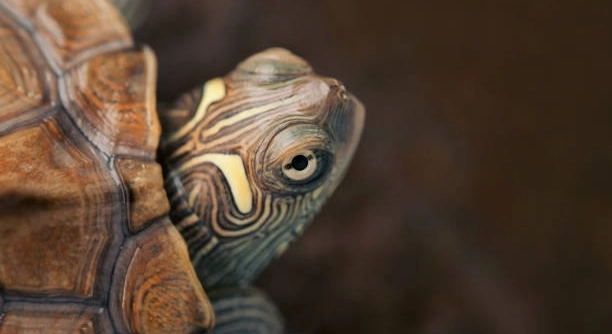
Map turtles are often seen climbing on rocks in their tanks, and this behavior can seem puzzling for many pet owners. Understanding the reasons behind this can help ensure your turtle stays healthy and happy in its environment.
Map turtles climb on rocks primarily to bask in the warmth and dry off. These turtles are semi-aquatic and need both land and water to regulate their body temperature. Climbing provides them with a spot to rest and absorb heat.
This behavior is completely natural for your map turtle, and there are several factors to consider when setting up the best environment for them.
Why Do Map Turtles Love Climbing on Rocks?
Map turtles naturally gravitate toward rocks because they provide an ideal spot for basking. In the wild, turtles climb onto rocks or logs to sunbathe and regulate their body temperature. In a tank, they need a dry area to rest and absorb heat. This behavior helps them stay warm and healthy.
Map turtles are cold-blooded, which means they rely on external sources of heat to regulate their body temperature. Without the ability to generate their own heat, they need access to both water and land. A rock or a basking platform gives them a place to absorb the warmth they need to thrive.
In addition to temperature regulation, climbing rocks also gives map turtles a sense of security. Higher areas allow them to escape from potential threats in their environment, even if those threats are just environmental changes or disturbances in the tank. A rock offers a stable surface where they can rest undisturbed.
Providing the Right Setup
To meet your map turtle’s needs, it’s important to provide a proper basking area. This will ensure they stay comfortable and healthy.
A good basking platform should be easy to access for your turtle and large enough for them to stretch out fully. Make sure the area has enough space for them to climb without feeling cramped. The basking light should also be positioned above the rock or platform to give them sufficient heat. Proper lighting and temperature control are crucial for their overall health.
The Importance of UVB Light for Map Turtles
Map turtles need UVB light to help them absorb calcium and maintain strong bones. Without proper UVB exposure, they could develop metabolic bone disease, which is dangerous and often leads to deformities. The best way to provide UVB light is by using a special bulb designed for reptiles.
UVB light helps map turtles process vitamin D3, which is essential for calcium absorption. In nature, turtles get UVB from the sun, but in a tank, you need to mimic this exposure. Be sure to position the UVB light directly above the basking area, as it needs to reach the turtle’s body. It’s important to replace the UVB bulbs regularly, as their effectiveness decreases over time.
Along with UVB light, your map turtle also needs a heat source to stay warm. These turtles will climb onto rocks to bask and warm up, and they rely on a light source that provides both UVB and heat. Keeping both lights on a timer ensures that your turtle gets a consistent day/night cycle.
Maintaining Proper Water Conditions
The water in your turtle’s tank plays a big role in their overall health. It’s crucial to keep it clean and at the right temperature to avoid any health issues.
Map turtles prefer water that is between 75°F and 80°F (24°C and 27°C). Keeping the water at a steady temperature ensures they feel comfortable and can move between land and water without stress. Additionally, the water should be filtered to prevent debris buildup, which can cause infections. A good filtration system will help maintain clean water and improve the quality of life for your map turtle.
Water quality is important for preventing diseases and keeping the turtle’s skin and shell healthy. Regularly clean the tank and change the water to remove waste and bacteria. Make sure that the water doesn’t get too dirty, as this can affect the turtle’s health and encourage algae growth. Proper maintenance is a key part of caring for your turtle.
Behavioral Factors Behind Climbing
Climbing on rocks is not just about basking; it can also be a sign that your map turtle is exploring its environment. Turtles are naturally curious creatures and will climb to see more of their surroundings.
Exploring new areas helps your map turtle stay mentally stimulated. It mimics their behavior in the wild where they would climb to find food, escape predators, or simply change location. Climbing on rocks can also be a form of exercise, which keeps them active and healthy.
The Role of Tank Size in Climbing
A cramped tank can lead to more climbing. If your map turtle feels confined, it may attempt to climb rocks or other surfaces in search of more space.
The larger the tank, the more room your turtle has to roam, which can reduce excessive climbing. A spacious tank allows the turtle to find areas where it feels comfortable to rest, swim, and climb naturally. Ensuring enough space for your turtle will help it stay relaxed and reduce stress-related behaviors.
The Impact of Stress on Map Turtles
Stress can cause map turtles to climb excessively. Stress factors include improper tank conditions, temperature fluctuations, or not enough hiding spots.
When a map turtle feels stressed, it may try to climb out of its environment to escape. Providing a consistent and calm tank setup, along with areas where the turtle can hide, can help reduce stress and prevent unnecessary climbing.
FAQ
Why does my map turtle climb on rocks all the time?
Climbing on rocks is natural for map turtles. They do it to bask in the heat, regulate their body temperature, and get out of the water to dry off. This is essential for their health as they need both aquatic and land areas in their habitat. If your turtle is climbing frequently, it could also be a sign that it’s exploring or looking for a safe resting spot. As long as the turtle isn’t stressed or struggling, this behavior is a normal part of their lifestyle.
Can map turtles climb out of their tanks?
Yes, map turtles are capable of climbing out of their tanks, especially if the sides are low or if there are items like rocks or decorations they can use for leverage. It’s important to make sure your tank has a secure lid or high enough sides to prevent your turtle from escaping. Adding more objects to climb on can help, but always ensure they are safe and won’t allow your turtle to climb out of the tank.
What kind of rocks should I use for my turtle’s tank?
When selecting rocks for your map turtle’s tank, it’s essential to choose ones that are smooth and stable. Sharp or loose rocks can cause injury. Natural rocks like slate or river rocks are great options, but avoid anything too rough or jagged. Make sure the rocks are securely positioned so your turtle can climb without the risk of them moving or collapsing.
Is it okay if my map turtle doesn’t bask on rocks?
If your map turtle isn’t basking on rocks, it could be an indication of a problem. Turtles need time out of the water to regulate their body temperature and stay healthy. If your turtle is avoiding the rocks, make sure the basking area is properly heated and has enough space. It might also be a sign of stress or illness, so observing your turtle’s overall behavior and health is important.
How can I make my turtle’s tank more comfortable for climbing?
To make your turtle’s tank more comfortable, provide a variety of climbing surfaces. Rocks, logs, or a basking platform can all help give your turtle options for climbing and basking. Make sure the surfaces are positioned so your turtle can easily reach them, and ensure there is enough dry space for them to rest. Adding a gentle ramp or ledge may help ease the climbing process, particularly if your turtle has difficulty reaching the rocks.
Do I need to provide both UVB and heat for my map turtle?
Yes, both UVB and heat are necessary for map turtles to stay healthy. UVB light helps your turtle process calcium and maintain strong bones, while heat is essential for temperature regulation. Make sure the basking area has both a UVB light and a heat source. The heat should be in the range of 85°F to 90°F (29°C to 32°C) to help your turtle stay warm and healthy.
How often should I clean the rocks in my turtle tank?
Rocks in the tank should be cleaned regularly to avoid algae buildup, dirt, and waste. Clean the rocks during your usual tank maintenance routine, which might be once a week or more frequently depending on the size of your tank and the number of turtles. You can scrub them with a soft brush and rinse them with water to remove debris. Be sure to remove any mold or algae, as these can impact your turtle’s health.
Can map turtles climb on other surfaces in the tank?
Yes, map turtles can climb on various surfaces within the tank, such as logs, plants, and even tank decorations. They tend to climb whenever they are looking for a good spot to rest or bask. Just make sure that any surfaces they climb on are stable and safe. If you have live plants, make sure they are secure and not easily uprooted.
How do I know if my map turtle is stressed by climbing?
Excessive climbing can be a sign of stress in map turtles. If your turtle is climbing frantically or often trying to escape, check for signs of an unsuitable environment. Stress can be caused by poor water quality, improper temperature, or inadequate space. Observe your turtle’s behavior for other signs of stress, such as reduced eating or unusual hiding. Making adjustments to the tank setup can help alleviate these issues.
What is the ideal temperature for a map turtle’s basking area?
The ideal temperature for the basking area of your map turtle is between 85°F and 90°F (29°C to 32°C). This allows your turtle to warm up properly and regulate its body temperature. Make sure to use a thermometer to monitor the temperature regularly and adjust your heat source as needed to maintain the right balance.
Do map turtles need to climb every day?
Map turtles typically climb every day to bask, dry off, and regulate their body temperature. However, the frequency and duration of climbing can depend on individual preferences and tank conditions. If your turtle is climbing more than usual, it might indicate a problem with the tank setup or the turtle’s health.
Final Thoughts
Map turtles climbing on rocks is a natural and common behavior. This action is essential for their well-being, as it allows them to bask in the warmth and dry off. These turtles need both land and water to regulate their body temperature and stay healthy. Providing a proper basking area with the right lighting and heat source is crucial for their overall health. The rocks or platforms in the tank should be secure, stable, and easily accessible for your turtle. With the right setup, your map turtle will be able to climb safely and enjoy its environment.
While climbing on rocks is normal, excessive climbing or trying to escape could indicate stress or improper tank conditions. It’s important to regularly check the tank’s temperature, water quality, and basking areas to make sure everything is comfortable for your turtle. If your turtle is not basking or climbing as expected, it may be a sign that something is wrong. Be mindful of your turtle’s behavior and adjust the environment accordingly. With a little care and attention, your map turtle will thrive.
Understanding why your map turtle climbs rocks helps you provide a better home for it. These turtles are active and curious, so offering them plenty of opportunities to explore and climb will keep them happy. Always make sure they have access to both warm, dry areas and cool, clean water. With a balanced environment, your turtle will enjoy climbing and basking as part of its natural routine.

Hello,
If you enjoy the content that we create, please consider saying a "Thank You!" by leaving a tip.
Every little bit helps us continue crafting quality advice that supports the health, happiness, and well-being of pets around the world, for pets of all shapes, sizes, and species.
We really appreciate the kindness and support that you show us!