
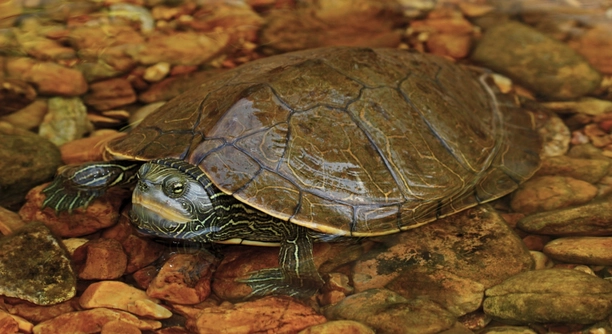
Map turtles are fascinating creatures, but knowing what they can and can’t eat is important for their well-being. Dairy is a common human food, but can it be safely added to their diet?
Map turtles should not consume dairy products. Their digestive system is not designed to process dairy, and it can lead to digestive issues like diarrhea or even more severe health problems. Dairy is not a suitable food source for these reptiles.
Understanding the potential risks of feeding map turtles dairy will help you make better dietary decisions for their health and happiness.
Why Dairy Isn’t Safe for Map Turtles
Map turtles have specific dietary needs that need to be carefully met to maintain their health. These reptiles are naturally omnivorous, feeding on a diet consisting mainly of aquatic plants, insects, and small fish. Dairy products, however, are not part of their natural diet and pose significant risks to their digestive system. Their stomachs are not equipped to break down the lactose found in milk and cheese, which can result in upset stomachs, diarrhea, and even dehydration. Feeding map turtles dairy may lead to long-term health problems, including kidney strain, since their bodies do not process milk proteins well.
Dairy also lacks the nutrients map turtles need for proper growth and development. While it might seem like an easy treat, offering dairy products can cause more harm than good. It’s important to stick to a balanced diet that includes fresh vegetables, protein, and occasional aquatic food to ensure your turtle remains healthy.
By understanding what your map turtle can and can’t eat, you can avoid making mistakes that could impact its overall well-being. Keeping their diet natural and safe will help you provide the best care possible.
Safe Foods for Map Turtles
Map turtles thrive on a diet that closely mimics their natural habitat. Freshwater plants, such as water lettuce and duckweed, are excellent sources of nutrition. They also enjoy small fish, like minnows, and insects like crickets. These food items offer the protein, vitamins, and minerals they need for growth and energy. Additionally, leafy greens like kale and spinach can be beneficial, providing important nutrients like calcium and fiber.
Incorporating a variety of these foods into their diet ensures they receive the essential nutrients for optimal health. A healthy map turtle diet is balanced and tailored to their needs, which improves their overall lifespan and well-being. Be sure to provide these foods in moderation, as overeating or a lack of variety can lead to health complications.
Health Risks of Dairy for Map Turtles
Dairy products can be harmful to map turtles, as their bodies are not designed to digest them. The main risk is lactose intolerance, which can cause digestive upset and other health issues. Turtles lack the necessary enzymes to break down lactose, which leads to discomfort.
Consuming dairy can cause diarrhea and dehydration in map turtles, which makes it harder for them to stay hydrated. Dehydration is especially concerning because it can lead to more serious health problems like kidney failure if left unaddressed. Additionally, excessive consumption of dairy products may lead to weight gain, which can affect a turtle’s mobility and overall health. For these reasons, it’s crucial to avoid offering dairy to map turtles altogether.
To ensure your map turtle’s health, it’s best to stick with foods that align with their natural diet. Avoid dairy and focus on providing nutrient-rich options that will keep them healthy and thriving.
Alternative Treats for Map Turtles
If you’re looking for alternatives to dairy, there are plenty of safe and enjoyable treats that your map turtle will love. Freshwater plants and leafy vegetables are great options, and they’re packed with the vitamins and minerals your turtle needs. Offer them dark, leafy greens like dandelion greens, collard greens, or turnip greens. These are rich in calcium, which is essential for a turtle’s shell and bone health.
Fruits can also be given as occasional treats, but they should be offered in moderation. Fruits like strawberries, blueberries, and watermelon can satisfy your turtle’s sweet tooth without causing any harm. Just be sure to remove any seeds from the fruit to prevent choking. Remember, variety is key. Keep your map turtle’s diet fresh and varied to ensure they receive the best nutrition possible while avoiding harmful foods.
How Dairy Affects Turtle Shell Health
Dairy consumption can indirectly affect a map turtle’s shell health. The digestive stress caused by dairy can lead to nutritional imbalances. Over time, this might result in poor shell growth, softness, or even deformities.
A healthy shell requires a balanced diet, rich in calcium and vitamin D. Feeding your map turtle foods that are incompatible with their digestive system, like dairy, could lead to deficiencies in these essential nutrients. A strong, healthy shell depends on the right food, so providing proper nutrition is key for long-term shell integrity.
The Role of Calcium in Map Turtle Diets
Calcium is critical for a map turtle’s bone and shell development. Without enough calcium, their shells can become soft, and their bones can weaken. A lack of calcium in their diet may also lead to metabolic bone disease, which is a serious condition that can affect their overall health.
Adding calcium-rich foods to their diet, like dark leafy greens and aquatic plants, is essential for proper development. If you’re unsure if your map turtle is getting enough calcium, consider adding a calcium supplement to their diet. Be sure to avoid dairy, as it doesn’t provide the right type of calcium for turtles.
Common Signs of Digestive Distress
If your map turtle experiences digestive issues from eating dairy, there are several signs to look out for. Watch for changes in behavior, such as lethargy or refusal to eat. These could indicate digestive distress.
Diarrhea and bloating are also common symptoms of an upset stomach, which can be a result of consuming dairy. If you notice these signs, it’s important to remove dairy from their diet immediately and offer them plenty of clean water to rehydrate.
FAQ
Can map turtles eat cheese?
Map turtles should not eat cheese. Dairy products, including cheese, are hard for them to digest. Cheese can lead to digestive upset, diarrhea, and dehydration. Their stomachs are not built to break down lactose, the sugar in milk, making cheese a poor food choice. For their health, stick to a diet of appropriate plant matter, insects, and occasional aquatic foods.
What happens if a map turtle eats dairy by mistake?
If a map turtle accidentally consumes dairy, it may experience digestive issues like diarrhea or bloating. These symptoms occur because dairy is difficult for their system to process. In some cases, this could lead to dehydration, which requires immediate attention. To help them recover, ensure they have access to clean, fresh water and monitor their behavior closely. If symptoms persist, consult a vet for guidance.
What should I do if my map turtle is constipated after eating dairy?
If your map turtle is constipated after consuming dairy, the first step is to remove all dairy products from its diet. Offer plenty of water to help with hydration. A warm soak in shallow water can also help stimulate bowel movement. If constipation continues for more than a day or two, it’s best to consult a reptile vet to address the issue.
Can map turtles eat other human foods?
While it may be tempting to feed your map turtle human food, it’s important to stick to their natural diet. Many human foods, like processed snacks, salt, and sugary items, can harm their digestive system. Avoid foods like bread, chips, or anything too greasy. Stick to leafy greens, aquatic plants, and small fish to keep them healthy.
Is it safe to feed map turtles fruits?
Fruits can be offered to map turtles in moderation, but they should not be a primary food source. Fruits like strawberries, blueberries, and watermelon are safe, but they should be given sparingly due to their high sugar content. Always remove seeds from fruit before feeding them to prevent choking. Overfeeding fruit can lead to obesity or digestive issues, so variety is key.
How often should I feed my map turtle?
Map turtles should be fed about three to four times a week, depending on their age and activity level. Young turtles require more frequent feedings, while adults may only need food a few times a week. It’s important to avoid overfeeding as this can lead to obesity and health issues. Offer them a balanced diet, and always remove any uneaten food to prevent it from spoiling.
Can map turtles eat worms or insects?
Yes, map turtles can eat worms, crickets, and other insects. These are an excellent source of protein for them. However, it’s important to offer insects that are properly sized for your turtle. Large or hard-bodied insects may be difficult for smaller turtles to consume. Ensure any insects you feed are free from pesticides or chemicals.
What are the best plants for map turtles to eat?
Map turtles enjoy a variety of aquatic plants. Good options include water lettuce, duckweed, and water hyacinth. They also benefit from leafy greens like dandelion greens, collard greens, and kale. These plants provide essential vitamins and calcium, supporting shell health and overall well-being. Always ensure the plants are safe and free from harmful chemicals.
Can map turtles eat live fish?
Map turtles are natural hunters and can eat small live fish. They enjoy minnows, goldfish, and guppies. However, it’s important to avoid overfeeding live fish, as it can lead to obesity or aggression in your turtle. Make sure the fish are appropriately sized and from a safe, chemical-free source.
How do I know if my map turtle is getting enough calcium?
Signs of calcium deficiency in map turtles include soft or deformed shells, weak bones, and slow growth. To ensure they are getting enough calcium, offer calcium-rich foods like dark leafy greens, aquatic plants, and, if needed, a calcium supplement. A UVB light source is also necessary for the proper absorption of calcium. Keep an eye on your turtle’s shell and bone health, and adjust their diet if necessary.
Can map turtles live without UVB light?
No, map turtles need UVB light to thrive. UVB light is essential for them to synthesize vitamin D3, which helps with calcium absorption. Without UVB light, map turtles are at risk for metabolic bone disease, a condition that leads to weak bones and shells. Ensure your turtle’s habitat includes proper UVB lighting to maintain their health.
What’s the best way to set up a map turtle’s habitat?
Map turtles require both water and land areas in their habitat. The water section should be deep enough for swimming and should be filtered to maintain cleanliness. The land area should include a basking spot with access to UVB light. Provide hiding spots and keep the temperature and humidity levels appropriate for the species. A large tank with a good filtration system is ideal for map turtles.
Can map turtles recognize their owners?
Map turtles are not known to form deep bonds with humans, but they can recognize familiar faces and voices. Over time, your turtle may become accustomed to your presence and even approach you for food. They are generally more focused on their environment and feeding rather than interaction, but they can still recognize their caretakers through consistent routines.
Are there any other foods map turtles should avoid?
Besides dairy, map turtles should avoid foods like iceberg lettuce, which offers little nutritional value. Avoid feeding them processed foods, salty items, and anything with artificial sweeteners or preservatives. Foods that are too high in fat or sugar can also harm their health. Stick to natural, fresh foods to ensure your turtle’s well-being.
How do I know if my map turtle is healthy?
A healthy map turtle will have clear, bright eyes, a smooth and firm shell, and active behavior. Their appetite should be consistent, and they should be active during the day. If you notice lethargy, poor shell growth, or changes in eating habits, these may be signs of a health issue. Regular check-ups with a reptile vet are recommended to keep your map turtle in good shape.
What is the lifespan of a map turtle?
Map turtles can live for many years, typically 20 to 30 years, with proper care. Some map turtles have been known to live even longer in captivity. Their lifespan depends on factors such as diet, habitat, and overall health. Regular care and attention will help ensure they live a long, healthy life.
How can I tell if my map turtle is stressed?
Signs of stress in map turtles include erratic swimming, lack of appetite, or hiding more than usual. Stress can be caused by improper tank conditions, such as poor water quality, inadequate lighting, or temperature fluctuations. It’s important to regularly check their environment and make adjustments if needed to reduce stress and promote health.
Can map turtles swim in cold water?
Map turtles prefer water temperatures between 70°F and 80°F (21°C to 27°C). Cold water, especially below 60°F (15°C), can cause them to become lethargic and may lead to health issues. If the water temperature drops too low, it can cause hypothermia, so it’s important to maintain proper water warmth for your turtle’s comfort and health.
Final Thoughts
Map turtles are fascinating creatures, and their diet plays a crucial role in their health and longevity. While they may enjoy a variety of foods, it is important to avoid certain items like dairy, which can cause digestive issues and health problems. A balanced diet of appropriate plants, insects, and occasional fish will help them stay healthy and thrive in captivity. Understanding the proper foods for map turtles and sticking to their natural dietary needs will go a long way in ensuring they live a long and happy life.
Providing your map turtle with the right environment is just as important as feeding them correctly. A spacious tank with access to both water and dry land areas is necessary for their well-being. Proper UVB lighting and filtration systems should be in place to help them digest food, absorb calcium, and stay clean. Regular water changes and temperature checks also contribute to a healthier environment for your turtle. These steps are essential in preventing stress and maintaining their overall health.
In conclusion, caring for a map turtle requires more than just providing food. A well-balanced diet, a proper habitat, and attention to their specific needs will help them live a long, healthy life. Avoiding harmful foods like dairy, offering the right supplements, and making sure their living conditions are optimal will ensure your map turtle remains healthy and happy for years to come. By staying informed about their needs and providing them with the best care possible, you will support their well-being in captivity.

Hello,
If you enjoy the content that we create, please consider saying a "Thank You!" by leaving a tip.
Every little bit helps us continue crafting quality advice that supports the health, happiness, and well-being of pets around the world, for pets of all shapes, sizes, and species.
We really appreciate the kindness and support that you show us!