
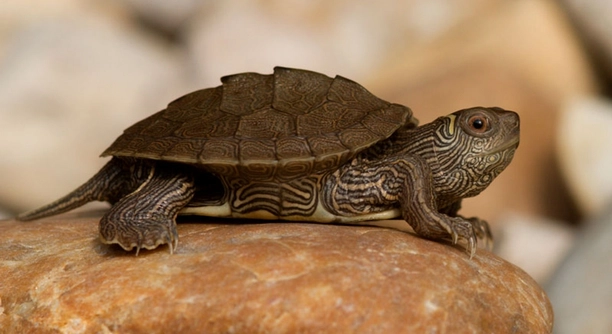
Are your map turtles dealing with cracked shells, leaving you unsure of how to help them heal? Shell damage can be concerning, but understanding the healing process and providing proper care can make a significant difference in their recovery and overall well-being.
Map turtles can heal cracked shells over time, but the process depends on the severity of the injury. Minor cracks may heal naturally with proper care, while severe damage requires veterinary intervention. Keeping the turtle in a clean, controlled environment is essential for recovery.
Providing the right support can improve healing and prevent further complications. From cleaning wounds to ensuring proper nutrition, there are several ways to assist in their recovery. Understanding these steps can help keep your turtle safe and healthy.
Understanding Shell Cracks in Map Turtles
Shell cracks in map turtles can result from falls, bites, or other accidents. These injuries vary in severity, with minor cracks healing naturally and deeper fractures requiring medical attention. A turtle’s shell is made of bone and keratin, meaning it can regenerate over time if given proper care. Keeping the shell clean and dry helps prevent infections that could slow healing. Providing a balanced diet with calcium and vitamin D3 supports shell strength. If the damage is severe, a veterinarian may use resin or bonding material to stabilize the shell while it heals.
A cracked shell should never be ignored, as infections can spread quickly. Even minor damage can worsen if left untreated. Keeping an eye on the injury and making adjustments to the turtle’s habitat can promote faster healing and reduce complications.
Understanding how to identify, treat, and prevent shell cracks will help you care for your turtle effectively. Proper steps can ensure the shell heals correctly and prevent future injuries.
How to Help a Map Turtle Heal
Cleaning the wound is the first step in helping a turtle recover. Using antiseptic solutions can prevent infections and promote faster healing. If the crack is deep, temporary bandaging may be needed before seeking veterinary assistance.
A veterinarian may recommend using epoxy resin or fiberglass patches to reinforce the shell. These materials create a protective barrier, allowing the underlying bone to heal without exposure to bacteria. During recovery, keeping the turtle in a dry environment for part of the day prevents excessive moisture buildup, which can lead to infections. A diet rich in calcium and vitamin D3 also strengthens the shell.
Preventing future injuries is just as important as treating existing ones. Ensuring a safe habitat with soft landings and avoiding overcrowding with aggressive tank mates can reduce the risk of cracks. Regular shell inspections help catch minor issues before they become serious.
Signs of Infection in a Cracked Shell
A cracked shell can become infected if bacteria enter the wound. Signs of infection include redness, swelling, foul odor, or discharge from the crack. A turtle may also become less active, lose its appetite, or show signs of discomfort when touched.
Infections can spread quickly if not treated. Keeping the shell clean and monitoring for any changes is essential. If an infection develops, a veterinarian may prescribe antibiotics or recommend cleaning solutions to prevent further complications. In some cases, infected areas may require debridement to remove dead tissue. Early intervention can prevent more serious health issues and improve the turtle’s chances of recovery.
Proper care includes maintaining clean water, providing a dry basking area, and using antiseptic treatments as needed. A weakened immune system can make healing slower, so a well-balanced diet with essential vitamins and minerals is important for overall health.
Preventing Shell Damage in Map Turtles
A safe habitat reduces the risk of shell injuries. Avoid rough surfaces, sharp decorations, or high ledges that could cause falls. If housing multiple turtles, monitor their behavior to prevent aggression. Providing ample basking space and separate feeding areas can minimize stress-related injuries.
Water quality plays a crucial role in shell health. Dirty water can lead to bacterial infections that weaken the shell over time. A strong filtration system and regular water changes help maintain a clean environment. Additionally, a basking spot with UVB lighting supports calcium absorption, keeping the shell strong. A varied diet with leafy greens, calcium supplements, and protein sources further promotes shell integrity.
Regularly inspecting the shell for small cracks or abnormalities can help catch problems early. If minor damage is found, keeping the turtle in a dry area for part of the day can prevent infections. Simple precautions can go a long way in keeping a map turtle’s shell healthy.
When to Seek Veterinary Care
Deep cracks, bleeding, or exposed tissue require immediate veterinary attention. A turtle struggling to move, eat, or bask properly may be in pain. If the shell emits a foul odor or shows signs of infection, professional treatment is necessary to prevent further complications.
A veterinarian may use bonding materials like resin or fiberglass to stabilize the shell. In some cases, antibiotics or pain management medications are required. Delaying treatment can lead to serious infections or long-term damage, making professional care essential for severe injuries.
Common Mistakes in Shell Care
Improper cleaning methods can worsen a cracked shell. Using harsh chemicals, excessive moisture, or failing to disinfect the wound can increase infection risks. A turtle’s shell needs a balance of moisture and dryness, so keeping the habitat clean while allowing daily basking is crucial for healing.
Importance of Proper Nutrition
A diet lacking in calcium and vitamin D3 weakens a turtle’s shell, making it more prone to cracks. Providing nutrient-rich foods like dark leafy greens, high-quality pellets, and calcium supplements ensures shell strength. Proper nutrition supports overall health and helps prevent future injuries.
FAQ
Can a cracked shell fully heal?
Yes, a cracked shell can heal, but it depends on the severity of the damage. Minor cracks often heal on their own with proper care, while deep or significant cracks may require medical intervention. Regular monitoring, keeping the turtle in a clean environment, and providing appropriate nutrition support the healing process. In cases of severe cracks, a veterinarian may need to use bonding materials or other treatments to ensure proper healing.
How can I tell if my turtle’s shell is infected?
Infection signs include redness, swelling, discharge, a foul smell, or any unusual softness in the shell. Turtles may also become less active, have a reduced appetite, or seem uncomfortable when touched. If these symptoms appear, it’s important to take your turtle to the vet for proper diagnosis and treatment. Early intervention helps prevent the infection from spreading.
What should I do if my turtle’s shell is cracked?
If the crack is minor, you can provide a clean, dry environment, and monitor it for changes. If the crack is deep, bleeding, or showing signs of infection, seek veterinary care. The vet might use specialized treatments like epoxy resin or fiberglass to protect the shell while it heals. Keeping the turtle’s living area free of stress and clean will help support its recovery.
Can turtles heal their shell naturally?
Yes, turtles can heal their shell naturally, especially if the damage is minor. Their shell is part of their skeleton and can regenerate over time. The process may take weeks or months, depending on the injury’s extent. However, if the crack is deep or infected, professional help may be required to prevent complications and ensure proper healing.
How long does it take for a turtle’s shell to heal?
The healing time varies depending on the severity of the injury. Minor cracks may heal within weeks, while more serious fractures could take months. A turtle’s shell will heal faster if it’s kept in a clean environment with proper diet and care. Keeping the shell dry and ensuring the turtle gets adequate UV light and calcium can speed up the process.
How can I help my turtle heal faster?
To support faster healing, ensure your turtle’s environment is clean, warm, and stress-free. Provide a diet rich in calcium, vitamin D3, and other essential nutrients to strengthen the shell. UVB light helps the turtle absorb calcium, which is crucial for shell recovery. Avoid overcrowding and provide ample basking areas.
Can I use over-the-counter treatments for shell cracks?
While some people may use over-the-counter antiseptic solutions to clean minor wounds, it’s essential to avoid using products that could harm your turtle. Never use strong chemicals or household cleaners. If the crack is serious or shows signs of infection, it’s best to consult a veterinarian for proper care. Professional treatments ensure the injury heals without complications.
Should I apply a bandage to my turtle’s shell?
Applying a bandage to your turtle’s shell is generally not recommended unless instructed by a veterinarian. If the shell is cracked and exposed, bandaging can trap moisture and promote bacterial growth. It’s better to keep the area clean and allow the shell to breathe. Always follow your vet’s advice for treating a cracked shell.
What kind of habitat is best for a recovering turtle?
A clean, dry environment is crucial for a recovering turtle. Make sure the tank is kept at an appropriate temperature and humidity level to prevent any additional stress. Provide a basking area with UVB lighting to help the turtle’s shell absorb calcium. Avoid overcrowding, and separate aggressive tank mates to reduce the risk of further injury.
Can a cracked shell affect my turtle’s overall health?
A cracked shell can affect a turtle’s health if left untreated. Cracks can lead to infections, which may spread and cause more severe health issues. Additionally, the turtle may experience pain or difficulty moving, eating, or basking. Prompt treatment and care are essential to prevent these complications and support the turtle’s recovery.
Are there any preventative measures to avoid shell damage?
To avoid shell damage, ensure your turtle’s habitat is safe. Avoid rough surfaces or sharp decorations that can cause injuries. Provide soft bedding and avoid placing the turtle in areas where it could fall. Proper tank maintenance and regular shell inspections can also help prevent unnoticed damage from worsening. Make sure your turtle’s living environment is as stress-free as possible, and always be cautious of aggressive tank mates.
Is calcium supplementation important for shell recovery?
Yes, calcium is vital for shell recovery. Turtles need calcium to repair and maintain their shells. A calcium supplement, in combination with a balanced diet of leafy greens, will support shell health. Ensure your turtle has access to UVB light, which aids in calcium absorption, helping to speed up the recovery process.
Final Thoughts
Taking care of a map turtle with a cracked shell requires attention and patience. While minor cracks may heal naturally, more serious injuries need professional intervention. It is essential to monitor the turtle closely for any signs of infection or discomfort. The shell is crucial for a turtle’s protection, so providing a safe environment is key to its recovery. Regular shell checks, a clean living space, and a proper diet can prevent further issues and support healing.
If a crack is deep or shows signs of infection, seeking veterinary care is important. Early treatment can help prevent complications and ensure the turtle’s shell heals correctly. Sometimes, the use of bonding materials or antibiotics may be necessary. A veterinarian can also guide you on how to clean and care for the crack properly, reducing the risk of infection. The sooner you act, the better the chances for a full recovery.
Maintaining a proper environment and diet is essential to keeping your turtle healthy in the long term. Providing UVB lighting and calcium supplements supports shell strength and overall well-being. A clean tank with appropriate basking areas and water quality will minimize the risk of further shell damage. By taking the right steps, you can help your map turtle heal and ensure it leads a happy, healthy life.

Hello,
If you enjoy the content that we create, please consider saying a "Thank You!" by leaving a tip.
Every little bit helps us continue crafting quality advice that supports the health, happiness, and well-being of pets around the world, for pets of all shapes, sizes, and species.
We really appreciate the kindness and support that you show us!