
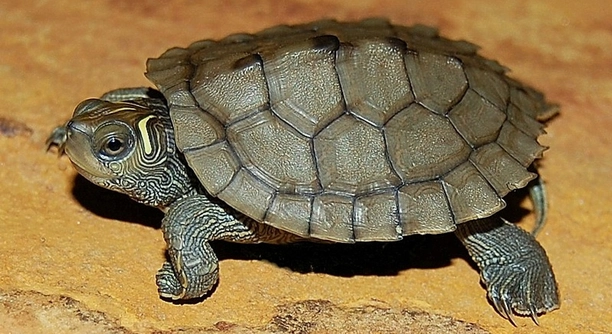
Are you planning to add fish to your map turtle’s tank but want to ensure a safe and stress-free introduction? Introducing fish to a map turtle tank requires careful planning to prevent aggression, ensure compatibility, and maintain water quality for both species.
The safest way to introduce fish into a map turtle tank is by selecting fast, hardy species, providing ample hiding spots, and monitoring interactions closely. Gradual acclimation and maintaining proper tank conditions are essential for minimizing stress and preventing predation or territorial disputes.
Understanding the right approach will help create a harmonious environment where both turtles and fish can coexist. Proper planning ensures a balanced ecosystem that benefits all aquatic inhabitants.
Choosing the Right Fish
Selecting the right fish is essential for a peaceful tank. Map turtles are opportunistic hunters, so avoid slow-moving or delicate fish. Species like rosy red minnows and giant danios are better choices due to their speed and hardiness. Proper selection reduces stress and increases the chances of coexistence.
Avoid fish with long fins, as turtles may nip at them. Goldfish and bettas are not suitable due to their slow movement and sensitivity to water conditions. Instead, opt for active, schooling fish that can evade a turtle’s curiosity while adapting to the tank environment.
A well-balanced tank setup plays a key role in success. Provide plants, caves, or decorations where fish can hide if needed. This helps reduce stress and prevents excessive chasing. Introducing fish in groups rather than individually can also improve their chances of survival, as turtles are less likely to single out one target.
Preparing the Tank
Hiding spots are important for fish survival. Rocks, plants, and driftwood provide necessary shelter. A well-structured tank allows fish to escape when needed, creating a safer environment for both species. Ensuring enough space also reduces competition and territorial behavior from the turtle.
Water quality must remain stable to support both fish and turtles. Turtles produce more waste than fish, so using a strong filter is necessary. A combination of mechanical, biological, and chemical filtration helps maintain clear water and prevents harmful ammonia buildup. Frequent water changes are also recommended to keep conditions optimal.
Tank temperature and pH levels should match the needs of both species. Most suitable fish thrive in temperatures between 72°F and 78°F, which aligns with a map turtle’s preferred range. Testing water parameters regularly ensures stability and helps prevent health issues. A well-maintained tank provides the best chance for a successful introduction.
Introducing Fish to the Tank
Adding fish gradually helps reduce stress. Start by placing the fish in a separate container within the tank for 15–30 minutes. This allows the turtle to observe them without direct contact, preventing immediate aggression and helping both species adjust to each other’s presence.
Releasing the fish after this acclimation period should be done carefully. Turn off the tank lights to reduce stress, and introduce the fish near hiding spots. This gives them a chance to explore their surroundings without feeling immediately threatened. Observe interactions closely for the first few hours, ensuring the turtle does not show excessive hunting behavior.
Feeding your turtle before introducing fish reduces predatory instincts. A well-fed turtle is less likely to see the fish as food. Providing floating turtle pellets can also distract them while the fish settle in. Close monitoring during the first few days helps prevent issues before they escalate.
Maintaining a Balanced Environment
A well-maintained tank reduces stress for both turtles and fish. Perform regular water changes to prevent waste buildup and maintain stable conditions. Using a strong filter helps control debris and keeps ammonia levels low. A clean environment promotes healthier fish and minimizes the risk of disease.
Balanced feeding prevents competition and aggression. Turtles should be fed a mix of commercial pellets, vegetables, and protein sources to keep them satisfied. Avoid overfeeding, as uneaten food can compromise water quality. Fish should also have access to their specific diet, ensuring they receive proper nutrition without interference.
Monitoring behavior is essential for long-term success. If a turtle becomes overly aggressive, consider rearranging the tank setup or adding more hiding spaces. Some adjustments may be necessary as the tank matures. A stable, well-planned environment increases the chances of peaceful coexistence.
Monitoring Behavior Over Time
Observe interactions daily, especially in the first week. Signs of aggression, such as chasing or biting, indicate that adjustments are needed. If a turtle repeatedly harasses the fish, consider adding more hiding spots or rearranging decorations to disrupt established territories and reduce stress for all tank inhabitants.
Sudden changes in fish behavior can signal problems. If fish become lethargic, hide excessively, or show signs of injury, reassess tank conditions and compatibility. Some turtles may not tolerate tank mates, requiring the removal of fish for their safety. Regular monitoring helps prevent long-term stress and ensures a balanced environment.
Adjusting the Tank Setup
Tank modifications may be necessary for peaceful coexistence. Adding floating plants, caves, and rocks creates more escape routes for fish. This reduces the chances of direct confrontations and gives fish areas to retreat if needed. A well-structured tank encourages natural behaviors while minimizing stress for both species.
When to Remove Fish
If a turtle continuously hunts or injures the fish, removal may be the best option. Persistent aggression can lead to stress-related illnesses or injury. In some cases, rehoming the fish or setting up a separate tank ensures their well-being while keeping the turtle’s environment stable and stress-free.
FAQ
Can all fish live with map turtles?
No, not all fish are suitable tank mates for map turtles. Slow-moving fish, long-finned species, and those that cannot tolerate high waste levels are poor choices. Goldfish, bettas, and small tetras are too vulnerable. Stick to fast, hardy species that can adapt to the tank conditions.
How do I prevent my turtle from eating the fish?
Choosing fast fish and providing hiding spots helps reduce the chances of predation. Feeding your turtle before introducing fish also lowers hunting instincts. However, no method guarantees complete safety, as turtles have natural predatory behaviors. If aggression persists, separating the fish may be necessary.
What are the best fish to keep with a map turtle?
The best choices are fish that can evade turtles and thrive in similar water conditions. Species like rosy red minnows, giant danios, and some cichlids work well. Avoid bottom dwellers like plecos, as turtles may nip at them. Always monitor interactions to ensure compatibility.
How big should the tank be to house both turtles and fish?
A larger tank reduces territorial disputes and improves water quality. A minimum of 75 gallons is recommended for one map turtle, with additional space needed for fish. A well-filtered, spacious tank helps maintain stable conditions and allows fish to establish safe areas away from the turtle.
Will my turtle get sick from eating fish?
Occasionally eating fish is not harmful, but a turtle’s diet should be well-balanced. Wild-caught feeder fish may carry parasites or diseases, so using quarantined or store-bought fish is safer. Feeding a varied diet ensures the turtle gets proper nutrition without relying on live prey.
How do I maintain water quality with both fish and a turtle?
A strong filtration system is necessary to handle the high waste levels produced by turtles. Combining mechanical, biological, and chemical filtration helps maintain clear water. Regular water changes, testing parameters, and removing uneaten food also prevent ammonia buildup and keep conditions stable.
Do turtles and fish need the same water conditions?
Most fish that can live with turtles prefer similar water conditions. Map turtles thrive in temperatures between 72°F and 78°F, which suits many hardy fish species. Keeping pH levels stable and ensuring proper oxygenation benefit both turtles and fish, preventing stress and illness.
Can I add multiple fish at once?
Introducing fish in small groups is better than adding them one at a time. This prevents the turtle from singling out one fish as prey. However, avoid overstocking, as too many fish can lead to poor water quality. A balanced number ensures a healthy, manageable tank environment.
What should I do if my turtle becomes aggressive toward the fish?
If aggression becomes a problem, try rearranging the tank to break established territories. Adding more hiding spots may help, but if the turtle continues attacking the fish, separation is the safest option. Some turtles simply do not tolerate tank mates and prefer living alone.
How can I tell if my fish are stressed?
Stressed fish may hide constantly, show faded colors, or exhibit erratic swimming. If a turtle repeatedly chases or nips at them, stress levels will rise. Poor water quality can also contribute to stress. Observing behavior and making necessary adjustments can help prevent long-term health issues.
Are there any signs that my turtle and fish can coexist peacefully?
If the turtle ignores the fish, and the fish swim freely without excessive hiding, they are likely adjusting well. A stable environment with minimal chasing or aggression suggests a successful introduction. Continuous monitoring ensures any potential issues are addressed before they escalate.
Final Thoughts
Introducing fish into a map turtle tank requires careful planning and ongoing observation. Selecting the right fish species, providing ample hiding spots, and maintaining proper water quality are all essential for a successful setup. Not all turtles will tolerate tank mates, so being prepared to remove fish if needed is important. Some turtles have stronger hunting instincts than others, making it difficult to keep fish in the same environment. Ensuring that both the fish and the turtle have enough space and resources helps reduce competition and stress, leading to a more balanced habitat.
A well-maintained tank benefits both species, creating a stable and healthy environment. Investing in a strong filtration system is necessary, as turtles produce more waste than fish. Regular water changes and monitoring water parameters help prevent issues like ammonia spikes and bacterial infections. Feeding routines also play a role in reducing aggression. Keeping your turtle well-fed and offering a varied diet can decrease its interest in chasing fish. However, some turtles may still view fish as food, no matter how well they are fed.
Understanding your turtle’s personality is crucial when introducing fish. Some turtles adjust well to tank mates, while others remain aggressive no matter the setup. Observing interactions over time will help determine whether the arrangement is working. If aggression or stress becomes a problem, separating the fish may be the best choice. Creating a safe and comfortable environment for both species ensures long-term success. By making adjustments as needed and staying attentive to their needs, it is possible to establish a thriving tank that accommodates both turtles and fish.

Hello,
If you enjoy the content that we create, please consider saying a "Thank You!" by leaving a tip.
Every little bit helps us continue crafting quality advice that supports the health, happiness, and well-being of pets around the world, for pets of all shapes, sizes, and species.
We really appreciate the kindness and support that you show us!