
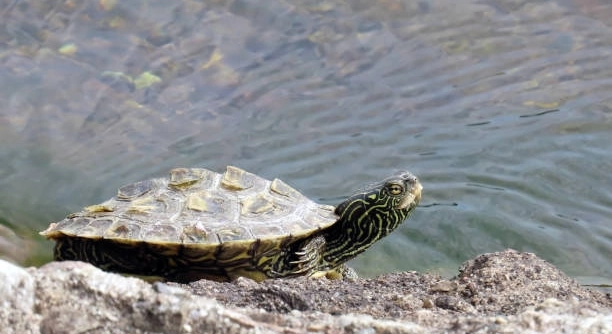
Map turtles often display an instinctive behavior of burying their eggs. This process can seem puzzling, especially if you’re not familiar with the natural habits of these reptiles. Understanding why they do this is key.
The behavior of burying eggs is a nesting instinct. Female map turtles dig to create a secure environment for their eggs, protecting them from predators and environmental conditions. This is essential for the survival and development of the offspring.
Understanding the reasons behind this behavior will give you better insight into your turtle’s natural instincts and needs.
Why Do Map Turtles Bury Their Eggs?
Map turtles bury their eggs as a natural instinct to protect them. When a female turtle is ready to lay eggs, she looks for a safe, dry spot away from water. She digs a hole, places the eggs inside, and covers them to shield them from potential threats. This behavior is essential for ensuring the survival of her offspring. Without this protection, eggs could be eaten by predators or exposed to unfavorable conditions. The process ensures that the next generation of turtles has a better chance of survival and can hatch in a secure environment.
The buried eggs remain underground until they are ready to hatch. During this time, the warmth and moisture from the soil help maintain the right conditions for development.
In the wild, map turtles rely on this method of egg protection to reproduce successfully. For pet owners, recognizing this behavior can be vital in providing a suitable environment for nesting. Providing a nesting area is important for the turtle’s overall well-being.
How to Identify If Your Map Turtle Is Burying Eggs
If your map turtle is burying eggs, you may notice her digging or appearing restless. She will look for a dry, soft area, typically away from the water. The digging process is often slow but deliberate, as she works to create a safe spot for her eggs. The whole process may take up to an hour.
Map turtles prefer secluded, undisturbed areas for nesting. If they are kept in captivity, you should create a suitable environment for this behavior. Providing a nesting area with loose, moist sand or soil will encourage the turtle to lay eggs in a natural way. It’s also important to maintain the proper temperature and humidity in the environment, as this impacts the development of the eggs.
Observing this behavior means your turtle is fulfilling her reproductive instincts. While it’s not always guaranteed that eggs will be laid successfully, providing the right nesting conditions can significantly increase the chances of successful egg hatching.
What Happens After the Eggs Are Buried?
Once the eggs are buried, the female map turtle leaves them behind. The eggs will stay underground, relying on the surrounding environment for warmth and moisture. It can take several months for the eggs to incubate and develop before hatching.
While the eggs are buried, the turtle provides no further care for them. The eggs depend entirely on the conditions of the soil to maintain the right temperature and humidity. In the wild, the mother may revisit the site to check, but generally, she does not return.
Eggs typically hatch after 60 to 90 days. The temperature during incubation determines the sex of the hatchlings, with warmer temperatures leading to more females. Properly managing temperature and humidity is essential for healthy hatching.
Can You Help Map Turtle Eggs Hatch?
If your map turtle has laid eggs and you want to help them hatch, providing the right environment is crucial. You can replicate natural conditions by keeping the eggs in a secure, temperature-controlled area. Humidity levels should be maintained, and eggs should not be disturbed.
Avoid handling the eggs directly, as this can harm the developing embryos. It’s important to make sure the area remains warm and stable. If you’re unsure of how to incubate them, consulting a specialist or veterinarian can ensure the best chance for hatching.
FAQ
Why do map turtles bury their eggs?
Map turtles bury their eggs as a natural instinct to protect them from predators and the environment. The female turtle digs a hole, places the eggs inside, and covers them with soil to provide a safe environment. This ensures that the eggs are sheltered from potential threats such as predators or extreme weather. It is also a way for the turtle to keep the eggs in a stable environment with the right moisture and temperature to help them develop properly.
How long does it take for map turtle eggs to hatch?
The incubation period for map turtle eggs generally lasts between 60 to 90 days. The time it takes for the eggs to hatch depends on factors such as temperature and humidity. Warmer temperatures tend to speed up the hatching process, while cooler conditions may delay it. The temperature also affects the sex of the hatchlings; higher temperatures typically result in more female turtles. It’s important to create a stable environment for the eggs to give them the best chance of survival.
What should I do if my map turtle lays eggs in captivity?
If your map turtle lays eggs in captivity, it’s important to provide a suitable environment for the eggs. Create a nesting area with loose, moist soil or sand, allowing the turtle to bury the eggs in a natural manner. Once the eggs are laid, avoid disturbing them. If you’re planning to incubate the eggs, maintain the right temperature and humidity. Ideally, keep the eggs in a warm, dark place to simulate natural conditions. Consult a veterinarian or specialist for guidance if needed.
Can map turtles lay eggs without a mate?
Yes, female map turtles can lay eggs without mating. This is known as parthenogenesis, a process where an egg develops into an offspring without fertilization. However, these eggs are usually infertile and will not hatch. Female turtles have the ability to store sperm for an extended period, so if they haven’t mated recently, they may still lay fertilized eggs that will hatch.
How can I tell if my map turtle’s eggs are fertilized?
It can be difficult to determine if map turtle eggs are fertilized just by looking at them. Fertilized eggs tend to be more opaque, while unfertilized eggs may appear more translucent or clear. However, the best way to know is by waiting for them to hatch. If the eggs do not hatch after the typical incubation period, it’s likely they were not fertilized. If you are unsure, you can also consult a vet or reptile specialist for assistance.
What happens if map turtle eggs are disturbed?
If map turtle eggs are disturbed, it can affect the development of the embryos inside. Turtles are sensitive to changes in their nesting environment, and disturbing the eggs may cause them to fail to hatch. It’s important to leave the eggs undisturbed to ensure that the incubation process remains undisturbed. If you must move the eggs, be sure to handle them gently and replicate the conditions of the original nesting site as much as possible.
Can I move map turtle eggs to another location?
If the eggs are at risk of being damaged or eaten by predators, it may be necessary to move them to a safer location. However, it’s important to replicate the same conditions of the original nesting site, such as the temperature and humidity. Be sure to handle the eggs gently, as they are fragile. If you’re unsure, it’s best to seek professional advice on how to properly relocate the eggs to avoid causing harm.
How do I care for map turtle hatchlings?
Once the eggs hatch, the map turtle hatchlings will need to be cared for until they are strong enough to live independently. Provide a safe, warm environment with plenty of shallow water for them to swim in. Hatchlings are vulnerable and require a well-maintained habitat to grow properly. Be sure to feed them a diet suitable for their age, and avoid overcrowding them in a tank. It’s important to monitor their health and seek veterinary care if needed.
Can map turtles hatch in a tank?
Yes, map turtles can hatch in a tank if the conditions are right. If you’re incubating the eggs in a tank, it’s essential to maintain the proper temperature and humidity levels. The tank should be kept in a dark, quiet place to simulate natural conditions. When the eggs hatch, the hatchlings should be carefully placed into a separate, safe tank with shallow water. Provide appropriate lighting and food for the young turtles as they adjust to their new environment.
How do I know if my map turtle is ready to lay eggs?
A female map turtle may show signs of being ready to lay eggs when she begins to act more restless or searches for a suitable nesting site. She may dig and exhibit nesting behavior, such as pacing around her tank or trying to climb out. If your turtle shows these signs, it’s likely she is preparing to lay eggs. Make sure to provide a nesting area with moist sand or soil to allow her to bury the eggs safely.
Final Thoughts
Map turtles have a natural instinct to bury their eggs as part of their reproductive process. This behavior is vital for protecting the eggs from predators and ensuring a safe environment for the developing embryos. By providing a proper nesting area, you can support your turtle’s needs and help increase the chances of successful egg hatching. A suitable habitat with the right temperature and moisture can go a long way in creating the ideal conditions for the eggs to develop. Without these conditions, the eggs may fail to hatch, or the hatchlings may not thrive once born.
In captivity, managing the care of map turtle eggs can seem overwhelming, but with the right knowledge and preparation, it is a manageable task. Monitoring the temperature, humidity, and location of the eggs will help mimic their natural environment. It’s essential to avoid disturbing the eggs once they are buried, as this can negatively affect their development. If you’re unsure about how to care for the eggs or hatchlings, don’t hesitate to consult an expert or veterinarian who can provide guidance. Their professional advice can ensure that you’re meeting your turtle’s needs and preventing unnecessary harm.
Whether your map turtle is nesting in the wild or in a captive environment, understanding the process and providing the right care is key. The process of egg laying, incubation, and hatching is a natural part of the turtle’s life cycle, and with proper attention, the chances of healthy hatchlings are high. As a turtle owner, being proactive about creating the best possible conditions for egg laying and incubation will make a significant difference in the overall well-being of your pet and its offspring.

Hello,
If you enjoy the content that we create, please consider saying a "Thank You!" by leaving a tip.
Every little bit helps us continue crafting quality advice that supports the health, happiness, and well-being of pets around the world, for pets of all shapes, sizes, and species.
We really appreciate the kindness and support that you show us!