
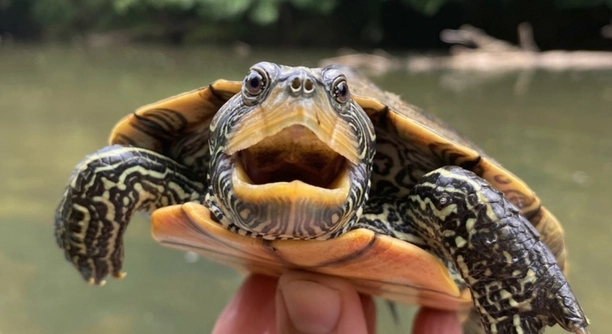
Map turtles, known for their unique appearance and behavior, are fascinating creatures. If you own one, you may have noticed that they tend to bask more often in outdoor tanks than in indoor ones.
The primary reason map turtles bask more in outdoor tanks is the availability of natural sunlight. The warmth from the sun provides a crucial source of heat that helps them regulate their body temperature and maintain proper health.
This behavior is influenced by several factors that can help improve your turtle’s well-being. Understanding them can enhance their care and ensure they thrive in their outdoor environment.
The Importance of Natural Sunlight for Map Turtles
Map turtles require heat to thrive, and nothing beats natural sunlight for maintaining their body temperature. When basking outdoors, they can soak up UVB rays, which help them produce vitamin D3—a critical nutrient for their bone health and immune system. The natural warmth of the sun offers a more consistent heat source than indoor lighting, which can fluctuate. Outdoor tanks provide turtles with the ability to move between sunlit spots and shaded areas, allowing them to regulate their temperature naturally. This exposure to sunlight contributes to their overall well-being and helps prevent health issues such as metabolic bone disease.
The UVB rays from sunlight also support their natural behavior. In an outdoor tank, your map turtle has more freedom to bask as needed, improving both physical and mental health. This encourages natural habits that mimic their wild environment.
By setting up an outdoor tank with access to the sun, you can ensure your map turtle enjoys the warmth and health benefits of natural light.
Factors Affecting Map Turtle Basking Behavior
While sunlight is important, other factors contribute to a map turtle’s preference for basking outdoors.
Turtles instinctively seek warmth and UV exposure to regulate their body temperature. In the wild, they bask in the sun during the day to stay warm and active. When kept outdoors, map turtles have more space to engage in this behavior naturally. Outdoor tanks, typically larger, allow them to move between basking spots and shaded areas. This freedom is essential for maintaining a healthy, active lifestyle.
An outdoor environment also provides more room for creating a suitable basking platform. With the right setup, your turtle can bask comfortably, fully benefiting from the sunlight and staying warm.
Space and Freedom in Outdoor Tanks
Outdoor tanks provide more space for turtles to move around and explore. The extra room helps them feel secure and encourages more natural behaviors like basking and swimming. This environment is much closer to what they experience in the wild, where they have access to larger areas for sunbathing and foraging.
In a larger outdoor tank, turtles can regulate their body temperature more effectively. They can move to different spots that offer sunlight or cool areas when needed, giving them better control over their health. The freedom to move between basking zones allows for a more balanced life, reducing stress and promoting their physical well-being.
This larger space also creates opportunities for better tank setups. You can provide various basking platforms and ensure the water quality is suitable for your map turtle. The more freedom and comfort they have, the healthier they’ll be in the long run.
The Right Temperature for Optimal Health
Temperature control is vital for a map turtle’s well-being. In an outdoor tank, sunlight allows turtles to experience more stable and beneficial temperatures compared to artificial lighting. Their basking areas naturally reach higher temperatures under direct sunlight, which is essential for their health and energy levels.
Map turtles are cold-blooded, so they rely on external heat sources to regulate their body temperature. In outdoor tanks, the exposure to natural heat promotes proper digestion and helps their immune system stay strong. Unlike indoor tanks where the temperature might fluctuate, the steady warmth from the sun is crucial for their comfort.
Having a dedicated basking spot with appropriate warmth also helps your turtle with shedding and skin health. Regular exposure to sunlight helps maintain their metabolic functions and overall vitality.
Natural Behavior in Outdoor Tanks
Outdoor tanks provide map turtles with an environment that mimics their natural habitat. This allows them to exhibit more natural behaviors like basking and foraging, which they may not do as often indoors. Such behaviors promote their physical and mental health.
When turtles can move freely between basking spots and shaded areas, they feel more secure. This freedom encourages them to bask regularly, helping with temperature regulation. Their natural need to soak up UVB rays for vitamin D production is also better met in an outdoor setup. It leads to happier, healthier turtles.
Tank Size and Design Matter
The size and design of an outdoor tank greatly affect the quality of life for map turtles. A spacious tank allows for more room to swim, bask, and explore, closely resembling their natural habitat. This increases overall well-being and reduces stress.
Adding natural features like rocks, plants, and submerged areas mimics the outdoors, encouraging your turtle to explore. A larger tank setup also provides more room to control water temperature and provide UVB lighting. This promotes better basking habits and ensures the water remains clean and healthy for your turtle.
Consistency of Natural Light
In an outdoor tank, the consistency of natural sunlight offers significant benefits. Unlike indoor tanks, which require artificial lighting, the sun provides steady, reliable light and heat. This helps maintain a healthy temperature gradient throughout the day, supporting proper digestion and immune function in your turtle.
With access to natural light, turtles can regulate their temperature more effectively. They can move between sunny and shaded areas to balance warmth and comfort. Sunlight also provides the UVB rays that are essential for their bone health and overall vitality.
FAQ
Why do map turtles bask more in outdoor tanks compared to indoor tanks?
Map turtles bask more in outdoor tanks because they have access to natural sunlight, which is essential for regulating their body temperature and producing vitamin D3. The warmth from the sun provides a stable and consistent heat source, allowing turtles to maintain their health more naturally. Unlike indoor setups, where the heat may be inconsistent, outdoor tanks provide a more natural environment that encourages basking and other beneficial behaviors. The extra space also allows turtles to move between basking spots and shaded areas, promoting healthy temperature regulation.
Can I set up an outdoor tank for my map turtle in any weather?
It’s important to consider the local climate when setting up an outdoor tank for map turtles. While they enjoy basking in the sun, extreme temperatures—either too hot or too cold—can stress your turtle and impact their health. In colder climates, map turtles may not tolerate the chill and could become inactive or sick. It’s crucial to ensure that the outdoor environment remains within a safe temperature range for your turtle. During colder months, you may need to bring your turtle indoors to prevent exposure to dangerous weather conditions. On the other hand, hot climates can lead to overheating, so ensure your turtle has access to shade.
What size should the outdoor tank be for a map turtle?
The size of the outdoor tank should be spacious enough to allow your map turtle to move freely and exhibit natural behaviors like basking, swimming, and exploring. A tank that is at least 100 gallons is recommended for a single adult map turtle. Larger tanks are even better, as they provide more space for your turtle to roam. It’s also essential to include different areas within the tank, such as basking platforms, shallow areas for resting, and deeper sections for swimming. The more room they have, the healthier and more active they’ll be.
How can I ensure my outdoor tank provides enough UVB light for my turtle?
To provide sufficient UVB light in an outdoor tank, make sure your turtle has access to direct sunlight for several hours each day. Sunlight naturally contains the UVB rays that are essential for vitamin D3 production. However, if your outdoor tank is shaded at certain times of the day, you may need to add a UVB light source to ensure your turtle gets enough exposure. UVB lights should be placed above the basking area and should be replaced regularly, as their effectiveness diminishes over time. A combination of natural and artificial UVB light will keep your map turtle healthy.
Should I provide a basking platform for my map turtle?
Yes, providing a basking platform is essential for a map turtle’s health. Map turtles need to bask regularly to dry off their skin, warm up their bodies, and absorb UVB rays from the sun. In an outdoor tank, you can use rocks, driftwood, or specially designed basking platforms to create a comfortable space where your turtle can rest and bask. Make sure the platform is stable and easily accessible, and ensure it’s above the water line so your turtle can dry off completely.
How often should I clean my map turtle’s outdoor tank?
Cleaning your map turtle’s outdoor tank is essential to maintaining a healthy environment. You should clean the tank at least once a week, removing any uneaten food, waste, and debris. The water should be filtered regularly to maintain good water quality, as turtles tend to create a lot of mess. Depending on the number of turtles and the size of the tank, you may need to clean it more frequently. Ensure that the basking area is also cleaned regularly to prevent algae build-up and other contaminants that could harm your turtle.
What kind of water should I use in the outdoor tank?
The water in your map turtle’s outdoor tank should be clean and free of contaminants. Tap water is generally acceptable, but it may contain chlorine and other chemicals that can harm your turtle. It’s best to use dechlorinated water or let the tap water sit for 24-48 hours before adding it to the tank. If your area has particularly hard or soft water, consider using a water conditioner to balance the water quality. Ensure that the water is at a comfortable temperature for your turtle and that the tank is large enough to maintain clean water.
How do I handle my map turtle in an outdoor tank?
Handling map turtles should be done with care, as they can become stressed by excessive handling. If you need to move your turtle, approach slowly and gently. Use both hands to lift them from underneath, supporting their body and legs. Avoid lifting them by their shell, as this can cause injury. Once in the tank, allow your turtle to acclimate and settle into the environment. Limit handling to avoid unnecessary stress and to allow your turtle to enjoy their natural behavior.
Can I leave my map turtle outside year-round?
It depends on the climate. In regions with mild temperatures year-round, map turtles can be kept outside for extended periods, but they should still have access to a safe shelter in case of extreme weather. During colder months, you should bring your turtle indoors to prevent hypothermia. Map turtles are not equipped to handle freezing temperatures, so it’s vital to bring them inside before the weather turns cold. Similarly, if temperatures rise too high, make sure your turtle has plenty of shaded areas to prevent overheating.
What should I feed my map turtle in an outdoor tank?
Map turtles in outdoor tanks have access to natural food sources, such as plants, insects, and small fish. However, it’s important to supplement their diet with turtle pellets designed for their specific nutritional needs. You can also offer a variety of fresh vegetables, like leafy greens, along with occasional protein sources such as shrimp or worms. Avoid feeding your turtle too much processed food, as it can lead to health issues. Make sure to remove any uneaten food to keep the water clean and healthy.
Can I add other animals to the outdoor tank with my map turtle?
While it may be tempting to add other animals to the outdoor tank, it’s best to be cautious. Map turtles can be territorial and may not get along with other species, especially smaller animals. If you want to add fish or other turtles, ensure they are compatible in terms of size and temperament. Monitor interactions closely to avoid aggression or stress. It’s always safer to house map turtles alone or with other species that are known to coexist peacefully.
Final Thoughts
Outdoor tanks can provide an excellent environment for map turtles, offering them space, natural sunlight, and the opportunity to bask. The key to setting up a successful outdoor habitat is ensuring the right balance between sunlight, water quality, and temperature. By replicating their natural environment as closely as possible, you help support their health and well-being. A spacious tank with proper UVB lighting, a solid basking platform, and clean water is crucial for their overall development.
While outdoor tanks offer many benefits, they also require regular maintenance and attention. It’s important to check the water quality frequently and clean the tank to avoid build-up of waste. Outdoor conditions can change with the weather, so adjusting the habitat accordingly is necessary. Be sure to monitor the temperature and humidity levels to keep them within a comfortable range for your turtles. Providing a safe, shaded area is equally important to prevent overheating during the hottest parts of the day. Remember that map turtles, like all pets, rely on you to maintain their health by paying attention to these factors.
In conclusion, map turtles thrive in outdoor environments when the setup is properly managed. With the right preparation and care, an outdoor tank can offer them the space and conditions they need to flourish. If you’re committed to ensuring your turtle’s needs are met, this outdoor setup can provide a fulfilling and natural habitat. Always remember to keep a close eye on their health, and make adjustments as necessary, ensuring they have a safe, comfortable place to thrive.

Hello,
If you enjoy the content that we create, please consider saying a "Thank You!" by leaving a tip.
Every little bit helps us continue crafting quality advice that supports the health, happiness, and well-being of pets around the world, for pets of all shapes, sizes, and species.
We really appreciate the kindness and support that you show us!