
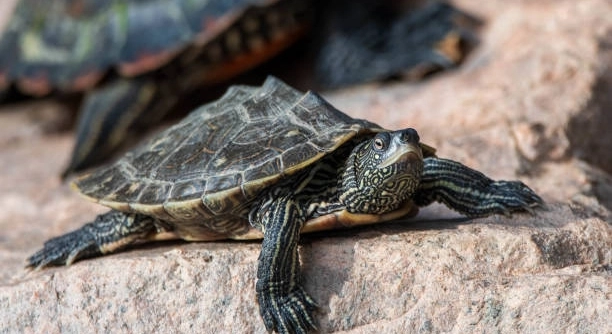
Map turtles require a period of hibernation to rest and rejuvenate. Proper preparation ensures a safe, healthy hibernation. By understanding their specific needs, you can create the ideal environment for their winter rest.
A safe hibernation period for map turtles involves controlling temperature, humidity, and creating a suitable environment. The process begins with gradually reducing temperatures, followed by monitoring their health and ensuring they are in a secure, quiet space.
Understanding the best practices for hibernating map turtles will help you keep them safe through winter, ensuring their health and wellbeing.
How to Prepare Your Map Turtle for Hibernation
As the temperature begins to drop, map turtles instinctively prepare to hibernate. To ensure they are ready, the first step is to slowly reduce their water temperature. This gradual decrease mimics the natural cooling process that occurs in the wild. It’s essential to avoid sudden changes, which can stress your turtle. Lower the temperature by about 1°F every few days until it reaches around 50-55°F, the ideal range for hibernation. During this time, stop feeding your turtle to allow its metabolism to slow down, which is crucial for a successful hibernation.
Once the temperature is properly lowered, it’s time to prepare their enclosure. Ensure that your turtle’s hibernation space is quiet and dark, as excessive noise or light can disturb their rest. The area should also be dry to prevent unnecessary moisture, which can lead to health issues. A secure, temperature-controlled environment will help your turtle rest without unnecessary risks.
Before hibernating, check your map turtle’s health. A healthy turtle is more likely to safely complete hibernation without complications. Ensure that your turtle is active and feeding well in the weeks leading up to hibernation. If they seem lethargic or unwell, it’s best to delay hibernation until they are in better shape.
The Importance of Humidity Control
Humidity is an often-overlooked factor when it comes to hibernation. A dry environment is ideal to prevent fungal growth and other health problems.
Monitoring Temperature During Hibernation
Once your map turtle is in hibernation, it’s crucial to monitor the temperature consistently. Use a reliable thermometer to ensure the environment remains between 50-55°F. Extreme fluctuations can cause stress and disrupt the hibernation process. If the temperature falls too low, your turtle may enter an overly deep state of dormancy, potentially causing health issues. Too high, and your turtle may awaken prematurely, using up its energy reserves. Maintain a stable, cool environment for the best results.
Investing in a thermostat can help maintain a constant temperature, giving you peace of mind throughout the hibernation period. Be sure to place the thermometer in the center of the hibernation space, not near the walls or heat sources, where readings may be skewed. Checking the temperature regularly ensures that your turtle stays in its ideal environment without the risk of disturbances. Avoid placing the enclosure in drafty areas, as this could cause unexpected temperature swings.
While temperature is a key factor, remember that hibernation is a slow process. Your turtle won’t need constant attention, but it’s still important to check the temperature every couple of days. By ensuring a consistent environment, your turtle will have the best chance of a safe hibernation period, minimizing the risks associated with extreme temperatures.
Safe, Quiet Space for Hibernation
A quiet, undisturbed environment helps map turtles feel secure during hibernation. Avoid loud noises or bright lights in the area.
Preparing the Enclosure for Hibernation
Before placing your map turtle into its hibernation space, make sure it’s clean and free of debris. This reduces the chance of bacteria or mold, which can harm your turtle. The enclosure should have a secure lid to keep it safe from drafts or disturbances.
Place a layer of dry bedding, such as coconut husk or dry leaves, to help absorb any excess moisture. This will keep the environment dry and comfortable for your turtle. The bedding also provides some insulation, which helps maintain a stable temperature throughout the hibernation period.
Maintaining Water Quality
Ensure that the water in your turtle’s habitat is clean and properly filtered before it enters hibernation. During hibernation, your turtle will not need to be in the water but should still have access to a shallow dish for hydration. Keep the water clean to prevent bacterial growth.
FAQ
How long should my map turtle hibernate?
Map turtles typically hibernate for around 2 to 3 months, depending on the temperature and environmental conditions. If the conditions are just right, they may enter a deep sleep for up to 3 months. However, if the temperature is higher than ideal, they may wake earlier. It’s important to monitor their environment closely.
Can I wake up my turtle during hibernation?
It’s generally best not to disturb your map turtle during hibernation. Waking them up can disrupt their natural cycle and may lead to stress. If you absolutely need to check on them, do so gently and only when necessary. Ensure that the environment remains stable to avoid unnecessary disturbances.
How can I tell if my turtle is hibernating properly?
Signs of proper hibernation include your turtle remaining in a stationary position, showing no interest in food, and staying at a consistent temperature. If your turtle seems overly restless, or if the environment fluctuates too much, it may indicate that something is wrong. Be sure to check their health before hibernation and monitor their status.
Can my map turtle hibernate in a tank?
Yes, map turtles can hibernate in a tank, as long as it meets their specific temperature and humidity requirements. A tank should provide enough space for your turtle to rest comfortably and remain undisturbed. You can use a smaller tank with proper bedding or place them in a secure box inside a larger enclosure.
What should I do if my turtle won’t eat before hibernation?
It’s not uncommon for turtles to stop eating as they prepare for hibernation. If your turtle refuses food a few days before hibernation, this is generally fine. However, if they have been refusing food for an extended period, it’s important to check for any health issues. Consult a vet if you’re concerned.
Is it okay if my turtle’s enclosure gets slightly colder than recommended?
If the temperature drops below the recommended range, your turtle may enter a deeper state of hibernation, which can be risky. Too cold an environment could lead to serious health issues. Aim to keep the temperature within the recommended 50-55°F range. If it’s too cold, it’s best to gently warm the enclosure.
Can I use a heating pad during hibernation?
It’s not advisable to use a heating pad during hibernation because it can cause temperature fluctuations. Heating pads may create hot spots that can disturb your turtle’s cycle. Instead, rely on a controlled, consistent room temperature to ensure that the hibernation environment remains stable.
Do I need to provide food and water during hibernation?
Map turtles do not require food during hibernation, as their metabolism slows down significantly. However, a shallow dish of water should be available for hydration. It’s essential to ensure the water stays clean, as your turtle may occasionally drink during the hibernation period.
Should I monitor my turtle while it’s hibernating?
While you don’t need to check on your map turtle every day, it’s important to monitor the temperature and humidity levels regularly. This ensures they remain in the ideal conditions for hibernation. Make sure to inspect them every few weeks to ensure they’re not showing signs of distress.
What should I do when my turtle wakes up from hibernation?
When your map turtle wakes up from hibernation, gradually increase the temperature of its enclosure to a comfortable level. Avoid feeding immediately, as your turtle’s digestive system will need time to fully adjust. After a few days, you can resume feeding with a balanced diet to help restore its energy.
Is it safe to hibernate a baby map turtle?
Baby map turtles should generally not hibernate, as they are still growing and may have a harder time surviving a long hibernation period. Their immune systems are not fully developed, making them more vulnerable to illness. If you have a baby turtle, it’s best to keep it in a warm, consistent environment.
How can I prevent my turtle from getting sick during hibernation?
Proper preparation is key to preventing illness during hibernation. Ensure that your turtle is healthy before beginning the hibernation period, and make sure the enclosure is clean and dry. Keep the temperature and humidity levels stable and monitor your turtle’s health throughout the process to catch any potential issues early.
Final Thoughts
Ensuring a safe hibernation period for your map turtle is a matter of preparation and consistency. By setting up the right environment, you give your turtle the best chance for a healthy hibernation. The right temperature, a quiet space, and clean conditions are essential for your turtle’s well-being during this time. Taking these steps will help you provide a safe and effective hibernation period without unnecessary stress for your turtle.
Remember that hibernation is a natural process for map turtles. It allows them to conserve energy and rest when temperatures drop. However, this period requires careful attention, especially in terms of maintaining a stable environment. If you’ve done your research and set up everything properly, your turtle should be able to hibernate without any issues. Regular checks on the temperature and the overall conditions will also help you catch any potential problems early.
In the end, keeping your map turtle healthy during hibernation is all about being proactive. With proper planning, you’ll ensure that your turtle enters its hibernation period in the best possible condition. By avoiding common mistakes, such as disturbing them too often or letting the temperature fluctuate, you can support their natural process and make sure they wake up healthy and ready for the next active season.

Hello,
If you enjoy the content that we create, please consider saying a "Thank You!" by leaving a tip.
Every little bit helps us continue crafting quality advice that supports the health, happiness, and well-being of pets around the world, for pets of all shapes, sizes, and species.
We really appreciate the kindness and support that you show us!