
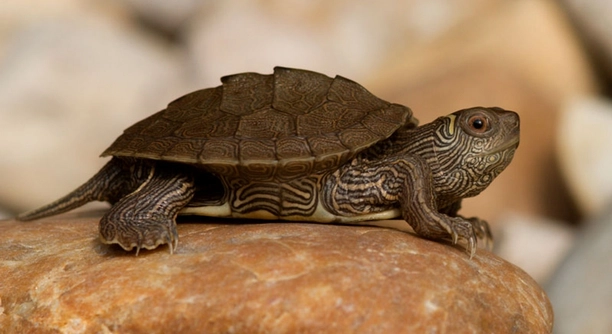
Is your map turtle avoiding the heat lamp, leaving you puzzled about its behavior? This can be a common issue for turtle owners. Let’s explore why this happens and what you can do to fix it.
A map turtle avoiding its heat lamp could indicate incorrect basking temperatures, an uncomfortable basking area, or health concerns. Ensuring the proper setup and addressing potential health issues are key steps to encourage normal basking behavior.
Understanding the reasons behind your turtle’s behavior will help you create a comfortable environment and ensure its well-being.
Reasons Your Map Turtle May Be Avoiding the Heat Lamp
A map turtle avoiding its heat lamp often points to issues with the basking area or overall environment. The basking spot may not be warm enough, or the setup could be unappealing due to excessive noise, poor accessibility, or a lack of security. Additionally, the turtle’s behavior may stem from health-related concerns, such as respiratory issues or stress, making them reluctant to bask. Addressing these potential causes requires careful observation of your turtle’s environment and habits to identify the exact problem.
Sometimes, turtles avoid heat lamps because they don’t feel safe basking. Ensure the area is quiet and free from disturbances to encourage natural behavior. Even small changes in their setup can make a significant difference.
Examining your map turtle’s health is crucial if it continues to avoid basking. Respiratory issues, lethargy, or abnormal behaviors may signal the need for a veterinarian’s evaluation.
Fixes for Encouraging Basking
Start by checking the basking area’s temperature. It should range from 85°F to 95°F for most map turtles. If it’s too cold or too hot, adjust the heat lamp distance or wattage accordingly.
Create a secure and comfortable basking spot by adding a ramp or platform that is easy for the turtle to access. Include some cover or natural decor to provide a sense of safety. Keep the environment quiet and free from excessive movement. These changes often resolve basking avoidance quickly.
If environmental fixes don’t work, pay close attention to your turtle’s overall health. Look for signs like labored breathing, swollen eyes, or loss of appetite. Any of these symptoms may require a trip to the vet. Proactively addressing these concerns will help your turtle thrive.
Creating an Ideal Environment for Your Map Turtle
The basking area should mimic the turtle’s natural habitat as closely as possible. Ensure it has a non-slip surface, proper UVB lighting, and a gradient from cooler water to a warm basking spot.
Lighting is critical for your turtle’s health and activity. Use a high-quality UVB bulb to provide essential rays for vitamin D3 synthesis, preventing shell and bone issues. Position the bulb above the basking spot to mimic sunlight, and replace it every six months for effectiveness. Pair this with a heat lamp to maintain an optimal basking temperature.
Keep the enclosure clean and maintain appropriate water quality. Dirty water or fluctuating temperatures can cause stress, leading your turtle to avoid the basking area. Regularly check and maintain filtration systems, water temperature, and tank cleanliness to promote a healthy and inviting environment.
Adjusting to Behavioral Changes
Turtles can be sensitive to changes in their surroundings. Sudden noise, vibrations, or even new decorations in the tank can cause stress, making them avoid basking. Observing their reactions to these changes helps identify stress triggers.
Monitor your turtle’s habits and behavior daily. If avoidance persists, it could indicate a deeper issue such as illness. A consistent routine, gentle handling, and an undisturbed environment will encourage your turtle to feel safe and secure, restoring normal basking patterns.
Checking Your Heat Lamp Setup
Inspect the heat lamp to ensure it’s working properly. Replace old bulbs that may have dimmed or lost efficiency. Position the lamp at the correct distance to maintain a consistent basking temperature without overheating the turtle.
Use a thermometer to monitor the temperature daily. Inconsistent temperatures can discourage basking. Adjust the lamp height or wattage to keep the basking area stable and within the recommended range.
Observing for Signs of Illness
Health issues often make turtles avoid basking. Look for symptoms like wheezing, nasal discharge, or abnormal lethargy. These signs may indicate respiratory infections or other illnesses requiring veterinary care. Early intervention is crucial for recovery.
Making Gradual Adjustments
Avoid making drastic changes to your turtle’s setup all at once. Introduce improvements like ramp adjustments, decor changes, or temperature modifications gradually. Sudden changes can increase stress, worsening avoidance behaviors.
FAQ
Why is my map turtle avoiding the basking area altogether?
Map turtles may avoid the basking area if it feels unsafe or uncomfortable. Common issues include incorrect temperatures, poor lighting, or distractions like loud noises near the tank. Check the basking setup for these factors and make necessary adjustments.
What temperature should the basking spot be?
The ideal basking temperature for map turtles is between 85°F and 95°F. Use a thermometer to monitor the temperature daily. Ensure the heat lamp is positioned properly to provide warmth without overheating or creating cold spots in the enclosure.
How often should I replace my turtle’s UVB bulb?
UVB bulbs lose their effectiveness over time, even if they still emit light. Replace the bulb every six months to ensure your turtle receives the UVB rays it needs for proper shell and bone health.
Can stress cause a turtle to avoid basking?
Yes, stress can lead to basking avoidance. Stressors include sudden noise, tank vibrations, or changes in the enclosure setup. Keep the environment calm, minimize disturbances, and avoid handling the turtle unnecessarily to reduce stress levels.
What signs indicate my turtle might be sick?
Signs of illness include wheezing, nasal discharge, swollen eyes, or excessive lethargy. If you notice these symptoms alongside basking avoidance, consult a veterinarian for a proper diagnosis and treatment plan.
How can I encourage my turtle to start basking again?
Provide a comfortable and secure basking area with the right temperature and UVB lighting. Add features like ramps or platforms for easy access and natural decor for cover. Keep the tank clean and quiet to create a stress-free environment.
Do turtles need a heat lamp and UVB light simultaneously?
Yes, turtles need both. The heat lamp provides warmth for basking, while the UVB light supports vitamin D3 synthesis, which is crucial for healthy bones and shells. Position both lights above the basking area to mimic natural sunlight.
What if my turtle basks for only short periods?
Short basking sessions are normal for some turtles, depending on their activity levels and preferences. As long as your turtle basks daily and appears healthy, there’s no need for concern. Monitor its behavior to ensure it remains consistent.
Can poor water quality affect basking behavior?
Yes, dirty water or incorrect water temperatures can stress your turtle, leading to reduced basking. Regularly clean the tank, maintain proper filtration, and monitor water temperature to promote overall health and activity.
How do I know if my basking setup is appropriate?
Test the setup by checking the temperature with a thermometer and observing your turtle’s behavior. If the turtle uses the basking area regularly, the setup is likely effective. Adjust as needed to improve accessibility or comfort.
What should I do if environmental changes don’t work?
If your turtle continues to avoid basking after improving its environment, consult a veterinarian. Persistent avoidance may indicate an underlying health issue that requires professional evaluation and treatment.
Final Thoughts
Caring for a map turtle requires attention to detail, especially when it comes to maintaining its basking environment. A well-functioning heat lamp, proper UVB lighting, and a clean, stress-free habitat are all essential for your turtle’s well-being. Regular monitoring of the temperature and water quality can help prevent issues that might discourage basking. Addressing problems early ensures your turtle stays active and healthy, reducing the risk of illness or stress.
If your turtle avoids basking despite adjustments, it’s important to consider other factors such as health issues or behavioral changes. Watching for signs of illness like lethargy or respiratory problems can help you determine whether veterinary care is needed. Turtles are creatures of habit, and even small changes in their environment can have a big impact. By being patient and observant, you can create a space that supports your turtle’s natural instincts and daily needs.
A happy and healthy turtle thrives in an environment that mimics its natural habitat. Consistency, gentle care, and understanding its unique behaviors will help you build a strong bond with your pet. With the right setup and care, your turtle can enjoy a comfortable life, basking regularly and staying active. Taking these steps not only benefits your turtle but also gives you peace of mind as a responsible pet owner.

Hello,
If you enjoy the content that we create, please consider saying a "Thank You!" by leaving a tip.
Every little bit helps us continue crafting quality advice that supports the health, happiness, and well-being of pets around the world, for pets of all shapes, sizes, and species.
We really appreciate the kindness and support that you show us!