
Have you ever heard of rare map turtle species and wondered what sets them apart in the turtle family?
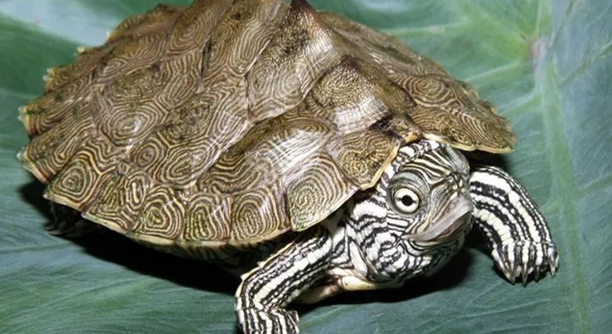
Rare map turtles are a group of unique freshwater species known for their striking patterns and limited habitats. These turtles often have distinct shell designs resembling topographical maps, making them fascinating subjects for study and conservation efforts.
Learning about these remarkable creatures can deepen your appreciation for the diversity of aquatic life and the importance of preserving their ecosystems.
What Makes Map Turtles Unique?
Map turtles are freshwater turtles known for their intricate shell markings that resemble topographical maps. These patterns make them visually striking and easy to identify. Their habitats are often rivers and streams with moderate currents, where they thrive due to the abundance of aquatic vegetation and insects. Despite their fascinating appearance, these turtles face threats like habitat destruction and pollution, which have made some species rare. Conservation efforts are vital to protect them and maintain the ecological balance of their environments. Learning about these turtles highlights the importance of biodiversity in aquatic ecosystems.
These turtles are not just beautiful but also serve as indicators of water quality. Their presence often suggests healthy river systems.
By understanding their unique features and challenges, you can appreciate the importance of preserving the delicate ecosystems they inhabit and take steps to support conservation initiatives.
Rare Species Worth Knowing
Some map turtle species are exceptionally rare, primarily due to habitat loss and environmental pressures.
For instance, the Pearl River map turtle is found exclusively in Mississippi and Louisiana. This species is critically endangered due to habitat destruction from damming and pollution. Another rare species, the Escambia map turtle, is native to Florida and Alabama, requiring pristine water conditions for survival. Conservationists work tirelessly to monitor and protect these turtles, employing strategies like habitat restoration and pollution control. However, public awareness plays a critical role in their survival. By supporting local conservation groups and reducing plastic waste, you contribute directly to their preservation.
Rare map turtles are more than just beautiful creatures; they are essential to their ecosystems. Protecting them ensures that future generations can witness their unique characteristics and the habitats they help sustain.
The Role of Map Turtles in Their Ecosystems
Map turtles play a critical role in maintaining the health of freshwater ecosystems. They feed on aquatic vegetation, insects, and mollusks, helping to balance the ecosystem. Their presence indicates a clean and thriving water system, making them essential for biodiversity.
By consuming algae and other aquatic plants, map turtles help prevent overgrowth, which can deplete oxygen levels in the water. Additionally, their predation on small invertebrates keeps certain populations in check, further promoting ecological balance. This balance supports other species, including fish and waterfowl, that rely on similar habitats. Protecting map turtles indirectly benefits many organisms in these environments.
When map turtles decline in number, it often signals underlying environmental issues like pollution or habitat disruption. Addressing these problems not only safeguards the turtles but also protects entire ecosystems that depend on clean, balanced waterways.
Threats Facing Map Turtles
Map turtles face numerous threats, with habitat destruction being one of the most significant.
Urban development near rivers, dam construction, and pollution disrupt the natural habitats of these turtles, leaving them vulnerable. Changes in water quality and temperature also affect their ability to thrive. Human activities often result in reduced nesting areas and fewer food resources, making survival even more challenging.
Illegal poaching and the pet trade also contribute to their declining numbers. Many rare species are captured and sold due to their unique appearance, further depleting their populations. Conservation efforts, like habitat restoration and strict regulations, are essential to protect these turtles. Supporting eco-friendly initiatives and reducing pollution are small steps that collectively make a big impact.
Conservation Efforts for Map Turtles
Conservation programs focus on habitat restoration, including cleaning polluted rivers and protecting nesting areas. These efforts aim to provide turtles with safe environments to thrive and reproduce. Public education campaigns also raise awareness about the importance of preserving freshwater ecosystems.
Collaboration between governments, scientists, and local communities is vital for long-term success. Regulations limiting pollution and poaching have shown promising results in stabilizing some turtle populations. Continued research helps identify effective strategies for conservation.
How Climate Change Affects Map Turtles
Rising temperatures directly impact map turtle habitats by altering water levels and quality. These changes affect their food sources and nesting patterns. Nest temperatures can also skew hatchling genders, disrupting population dynamics. Addressing climate change is crucial for their survival.
Simple Steps You Can Take
Supporting conservation groups and reducing single-use plastics can make a difference. Participating in clean-up drives near water bodies also helps maintain healthy habitats for map turtles and other aquatic species.
FAQ
What do map turtles eat?
Map turtles are omnivores, feeding on a variety of aquatic plants, small fish, insects, and mollusks. Their diet depends on their habitat, but they generally consume what is available, such as algae, crayfish, and aquatic insects. Some species also feed on small mollusks, like snails and clams, which they crush with their strong jaws.
Where do map turtles live?
Map turtles are found in North America, mainly in the southeastern United States, particularly in rivers, streams, and lakes. They prefer slow-moving water with plenty of aquatic plants and submerged logs for basking. These turtles typically inhabit areas with clean, clear water, as pollution can threaten their survival.
Why are map turtles endangered?
Map turtles are threatened by habitat loss, water pollution, and illegal trade. Human activities like damming, urbanization, and deforestation lead to the destruction of the turtles’ natural habitats. Pollution from chemicals and waste can also harm their ecosystems. Some map turtle species are additionally targeted by the pet trade due to their striking appearance.
How can we help protect map turtles?
You can support map turtle conservation by reducing water pollution, protecting natural habitats, and supporting local wildlife organizations. Simple actions like cutting down on plastic waste and participating in river clean-ups can help keep their habitats safe. Supporting policies that protect freshwater ecosystems and participating in wildlife awareness programs also contribute to their protection.
Do map turtles make good pets?
Map turtles may seem appealing due to their unique shells and patterns, but they are not ideal pets for most people. They require specific care, including a proper aquatic setup, access to UVB lighting, and a diet that mimics their natural feeding habits. Additionally, keeping map turtles as pets can contribute to the decline of wild populations. It’s important to ensure you’re not contributing to their endangerment.
What is the lifespan of a map turtle?
Map turtles can live for several decades, with some individuals reaching up to 40 years or more in the wild. Their lifespan depends on environmental factors like water quality and food availability. In captivity, with proper care, they can also live long lives, though it’s important to provide a suitable environment for their health.
How do map turtles reproduce?
Map turtles reproduce by laying eggs in sandy or muddy areas along the banks of rivers or lakes. Females typically lay between 5 to 15 eggs in a single clutch, and the eggs incubate for several months before hatching. Temperature plays a role in determining the sex of the hatchlings, with warmer temperatures producing more females.
Why are map turtles called “map turtles”?
Map turtles are named for the distinct, map-like patterns on their shells. These patterns, which resemble topographical maps, help differentiate them from other turtle species. Each species of map turtle has unique markings, with some patterns more intricate than others, making them a popular subject for research and observation.
Are map turtles good swimmers?
Yes, map turtles are excellent swimmers. They have webbed feet that allow them to move swiftly through the water. They spend much of their time in aquatic environments, where they hunt for food, bask in the sun, and seek shelter from predators.
Can map turtles be kept in a tank?
While map turtles can be kept in tanks, their care requires a considerable commitment. The tank must replicate their natural habitat, providing enough space, proper filtration, and access to UVB lighting. You’ll also need to maintain the water temperature and ensure the tank is large enough for the turtle to move around comfortably.
How do map turtles bask?
Map turtles bask to regulate their body temperature and absorb UVB rays, which help them process calcium for strong bones and shells. They can often be seen sunning themselves on logs or rocks during the warmer months. Basking is essential for their health and well-being.
What are the most endangered species of map turtles?
Several species of map turtles are considered endangered or vulnerable, such as the Pearl River map turtle and the Escambia map turtle. These species are at risk due to habitat destruction, pollution, and the illegal pet trade. Conservation efforts are crucial to preserving these rare and unique turtles.
Do map turtles migrate?
Map turtles do not typically migrate long distances, but they may travel between different sections of rivers and streams in search of food or more favorable environmental conditions. They are mostly sedentary but may move to different habitats during seasonal changes.
What is the difference between map turtles and other turtle species?
Map turtles are distinguished by their unique shell patterns, which resemble topographic maps. They also have elongated, narrow heads compared to many other turtle species. While other turtles may have different dietary preferences or habitat requirements, map turtles are mainly freshwater creatures that thrive in slow-moving waters.
What is the best way to care for map turtles in captivity?
To care for a map turtle in captivity, you’ll need a large tank with clean, filtered water and a basking area with UVB lighting. A varied diet of aquatic plants, small fish, and insects is essential for their health. Regular water changes and monitoring water temperature are important to prevent disease.
How can I identify a map turtle?
Map turtles can be identified by their unique, map-like markings on their shells. They typically have narrow heads and long, pointed snouts, which help them catch food in the water. Each species has its own pattern, with some more distinct than others. These markings are the key to identifying different types of map turtles.
Final Thoughts
Map turtles are a fascinating and diverse group of reptiles, each species possessing its own unique characteristics and behaviors. They are an important part of freshwater ecosystems, playing key roles in maintaining the balance of their habitats. Their distinct shell patterns make them a notable species among turtle enthusiasts and researchers alike. However, despite their intriguing qualities, many map turtle species are facing significant threats to their survival. Habitat destruction, water pollution, and illegal trade continue to endanger these turtles, pushing them to the brink of extinction. It is crucial to understand the delicate balance of their ecosystems and recognize the challenges these turtles face in the wild.
Efforts to conserve map turtles are vital for their survival. Many organizations and scientists are working on protecting their habitats and preventing the illegal trade of these turtles. Habitat restoration programs, which focus on cleaning and preserving rivers and wetlands, have shown promise in ensuring these turtles have a safe environment to live and reproduce. Additionally, raising awareness about the importance of preserving freshwater ecosystems and the role map turtles play in these environments is an essential step in encouraging conservation efforts. Everyone can play a part in helping these species thrive, from supporting local wildlife groups to taking simple steps to reduce water pollution.
Looking ahead, it’s clear that protecting map turtles requires long-term commitment and widespread action. As more people become aware of the challenges these turtles face, more resources will be allocated to conservation efforts. Supporting sustainable practices and ensuring the health of freshwater habitats will not only benefit map turtles but all the creatures that depend on these environments. While the path to recovery may be challenging, there is hope. With the right conservation measures in place, map turtles can continue to be a part of our natural world for generations to come.

Hello,
If you enjoy the content that we create, please consider saying a "Thank You!" by leaving a tip.
Every little bit helps us continue crafting quality advice that supports the health, happiness, and well-being of pets around the world, for pets of all shapes, sizes, and species.
We really appreciate the kindness and support that you show us!