
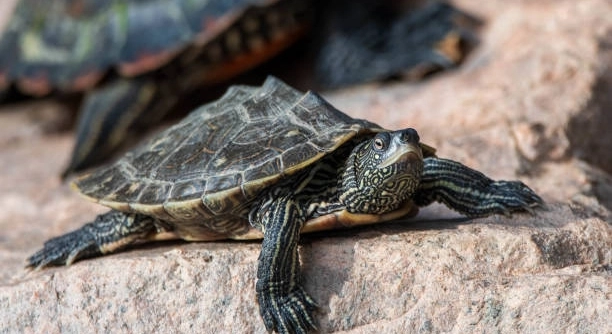
Creating the perfect habitat for a map turtle can seem like a challenge, but with a little knowledge, it’s achievable. Many turtle owners struggle to get it just right, making a few common mistakes that affect their turtle’s health.
The most frequent mistakes when setting up a map turtle habitat involve incorrect water conditions, insufficient basking areas, and improper tank size. Ensuring proper filtration, temperature control, and appropriate hiding spots can prevent these issues and promote your turtle’s well-being.
By understanding these common errors, you can create an ideal environment for your map turtle. Proper setup ensures your turtle is comfortable, healthy, and active, ultimately leading to a better quality of life for your pet.
Mistake 1: Incorrect Water Temperature and Quality
When setting up your map turtle’s habitat, water temperature is crucial. These turtles require a water temperature between 75°F and 85°F (24°C to 29°C) to stay healthy. Anything outside of this range can cause stress or illness. A reliable aquarium heater and thermometer are essential to keep the water at the right temperature.
For water quality, use a high-quality filter to keep the water clean. Turtles produce a lot of waste, so regular cleaning and filtration are important. If the water is too dirty, it can lead to health issues like shell rot or respiratory infections.
It’s also a good idea to test the water regularly for pH levels and ammonia. This ensures that the water remains safe and provides your turtle with the best living environment. By maintaining proper water conditions, you can help your map turtle thrive in its new home.
Mistake 2: Too Small of a Tank
Map turtles require enough space to move around, swim, and explore. A small tank limits their activity and can cause stress, which may affect their health. A tank size of at least 40 gallons is recommended for one adult map turtle. If you have more than one, a larger tank is necessary to avoid overcrowding.
Turtles need both land and water areas, so make sure there’s enough room for both. They need space to bask and dry off, but also enough water to swim comfortably. Providing a spacious tank ensures they have room for everything they need to stay healthy.
The tank size can make a big difference in your turtle’s well-being. A larger tank will help reduce stress and give your turtle a more natural environment to live in. Plus, it makes cleaning and maintaining the habitat easier.
Mistake 3: Insufficient UVB Lighting
Map turtles need access to UVB light for proper shell and bone development. Without UVB light, they can develop metabolic bone disease and weakened shells. An overhead UVB lamp should be placed above their basking area to ensure they receive proper exposure.
It’s important to note that regular household lighting doesn’t provide the necessary UVB rays. Special reptile lamps are designed to meet these needs. Ensure the light is positioned correctly, so your turtle can bask comfortably while receiving the right amount of UVB.
UVB lighting should be replaced regularly as it loses effectiveness over time, even if it still seems to be working. Many reptile lamps need to be replaced every 6 months to a year. By providing consistent UVB lighting, you ensure your map turtle’s health and long-term vitality.
Mistake 4: Poor Basking Area
A proper basking area is a must for your map turtle. It allows them to dry off, regulate their body temperature, and get UVB exposure. Without a proper spot, they can’t stay healthy for long. Make sure the basking area is large enough for your turtle to comfortably rest.
The area should be elevated above the water so the turtle can climb onto it easily. Use a ramp or a platform to help them reach it. Ensure the surface is non-slippery and offers a safe spot for them to bask without falling back into the water.
For warmth, a heat lamp placed above the basking area will create the ideal temperature. Keep the basking spot between 85°F and 90°F (29°C to 32°C). This heat encourages your turtle to bask and soak up the UVB light they need.
Mistake 5: Inconsistent Feeding Routine
Feeding your map turtle regularly and with the right balance is key to their health. A varied diet that includes commercial turtle pellets, leafy greens, and occasional protein will provide everything they need. Feeding them too much or too little can lead to problems with digestion and weight gain.
Turtles can be fed once a day, but don’t leave food in the tank too long as it can pollute the water. Remove any uneaten food after about 20 minutes to prevent contamination. Adjust portion sizes according to the turtle’s age and size.
Map turtles also need supplements like calcium and vitamin D3 to stay healthy. Dusting their food with a calcium supplement every few feedings helps prevent shell deformities and supports their bone health. Keeping a consistent feeding schedule will make sure they are properly nourished and happy.
Mistake 6: Overcrowding the Tank
Map turtles need space to move, swim, and bask comfortably. Putting too many turtles in a tank can cause stress, aggression, and health problems. The general rule is one adult turtle per 40 gallons of water. Overcrowding can also make it harder to maintain good water quality.
Each turtle requires enough space to establish its own territory, especially when basking. Having multiple turtles in a small tank can lead to fighting and competition for resources. This constant stress can weaken their immune systems, making them more prone to illness.
In addition, overcrowded tanks are harder to clean and maintain, which leads to water quality issues. Keep your turtle’s tank spacious, with enough room for each one to enjoy its own space, swim freely, and bask comfortably.
Mistake 7: Lack of Hiding Spots
Turtles are naturally shy creatures and need hiding spots to feel secure. Without these, they may become stressed or even sick. Providing rocks, plants, or a small cave for them to retreat to is essential for their well-being. These hiding spots mimic their natural environment.
Map turtles are sensitive to changes in their surroundings, so a hiding spot gives them a safe place to escape from any perceived threats. It also helps them feel less stressed and more comfortable in their habitat, which can lead to better health and behavior.
Adding these elements to your turtle’s tank creates a more natural, comfortable space. It’s an easy way to reduce stress and ensure your turtle thrives in its new home.
FAQ
What type of water filter should I use for a map turtle?
For map turtles, a strong filtration system is essential due to their high waste production. A canister filter or a large internal filter designed for tanks of at least 40 gallons is ideal. Choose a filter that provides both mechanical and biological filtration, as it helps break down waste and maintain clean water. A good filter should also have a flow rate that is at least 3-5 times the tank’s volume per hour. This ensures that the water stays clean and properly filtered, reducing the risk of illness or infection.
How often should I clean the tank?
Cleaning frequency depends on several factors, including the tank size and how many turtles are in it. Generally, a full cleaning (scrubbing the tank, changing the water, and cleaning the filter) should be done every two weeks. However, partial water changes of about 25% should be done once a week to maintain water quality. Keep in mind, the more turtles you have in the tank, the more often you’ll need to clean. Always remove uneaten food and waste daily to prevent water contamination.
What temperature should the water be for my map turtle?
The water temperature for a map turtle should be between 75°F and 85°F (24°C to 29°C). Keeping the water within this range is essential for their health. Too hot or too cold water can stress your turtle, leading to health problems like respiratory infections or lethargy. Use a reliable aquarium heater and thermometer to maintain the correct temperature. It’s also good practice to have a separate thermometer in both the basking area and the water to monitor temperature differences.
How much should I feed my map turtle?
Map turtles should be fed a varied diet that includes both plant and animal-based foods. A good feeding routine consists of one meal a day. For adults, the portions should be about the size of their head. A combination of commercial turtle pellets, leafy greens (like romaine lettuce or collard greens), and protein sources (such as insects or small fish) is ideal. If your turtle is still growing, you may need to feed it more frequently, but always adjust portions according to the turtle’s size and activity level.
Do map turtles need UVB lighting?
Yes, map turtles need UVB lighting to maintain strong bones and shells. UVB light helps them synthesize vitamin D3, which is essential for calcium absorption. Without proper UVB exposure, turtles can develop metabolic bone disease, leading to weak shells and bones. Use a UVB lamp specifically designed for reptiles, and place it above the basking area. Be sure to replace the bulb regularly, as it loses effectiveness over time, even if it still appears to be working.
Can I keep more than one map turtle in the same tank?
While it’s possible to keep more than one map turtle in the same tank, it’s important to ensure there’s enough space for each turtle. A good rule of thumb is to provide at least 40 gallons of space for each adult turtle. If you overcrowd the tank, it can lead to stress, territorial aggression, and health problems. It’s also crucial to monitor the turtles closely for any signs of fighting or bullying. Some map turtles may get along fine, but others might not, so it’s important to know the individual personalities of your turtles.
What should I do if my map turtle isn’t eating?
If your map turtle isn’t eating, there could be several reasons for this. It could be due to improper water temperature, stress, or an illness. First, check the water temperature to ensure it’s in the proper range. If the environment is stable, try offering a different type of food or something more enticing, like live insects or small fish. If your turtle continues to refuse food for more than a few days, it may be a sign of a health issue, and you should consult a veterinarian specializing in reptiles.
How can I tell if my map turtle is healthy?
A healthy map turtle will have clear, bright eyes and a smooth, firm shell. The turtle should be active and responsive to its environment. Healthy turtles are also good swimmers and have an appetite. If the shell is soft, discolored, or has cracks, it could indicate a calcium deficiency or other health issues. Watch for abnormal behaviors, such as lethargy, difficulty swimming, or not basking properly. These could signal problems that need to be addressed quickly to prevent further complications.
What is the best substrate for a map turtle tank?
For map turtles, it’s best to avoid fine sand or gravel, as it can lead to digestive issues if ingested. Instead, use a smooth river rock substrate or a bare-bottom tank. River rocks provide a more natural look and allow easy cleaning, without the risk of debris that could affect water quality. If you prefer a more decorative setup, you can also use aquatic plants or floating platforms, but ensure that the substrate doesn’t become a breeding ground for harmful bacteria. Always clean any substrate you choose regularly to maintain a healthy tank environment.
Final Thoughts
Setting up a proper habitat for your map turtle can seem like a lot of work, but the effort is well worth it. By understanding the key aspects of their care—water quality, temperature, diet, and space—you’re giving your turtle the best chance to thrive. Small changes, like providing proper filtration or creating a safe basking spot, can make a huge difference in their overall well-being. When these elements are in place, your turtle can live a long, healthy life in its new environment.
It’s important to remember that map turtles, like all pets, require attention and consistency. While they are relatively low-maintenance compared to other animals, their habitat must be monitored regularly. Water temperature, lighting, and food need to be carefully balanced. Regular maintenance of their environment, such as cleaning the tank and checking water quality, ensures they stay healthy and active. This consistency is key to preventing health issues and providing your turtle with a comfortable home.
Ultimately, creating a successful map turtle habitat requires patience and attention to detail. The more informed you are about their needs, the easier it becomes to provide a suitable environment. With the right setup and care, your map turtle can live a happy life, swimming, basking, and enjoying a safe space. Taking the time to get everything right will lead to fewer problems down the road, making both you and your turtle happier in the long run.

Hello,
If you enjoy the content that we create, please consider saying a "Thank You!" by leaving a tip.
Every little bit helps us continue crafting quality advice that supports the health, happiness, and well-being of pets around the world, for pets of all shapes, sizes, and species.
We really appreciate the kindness and support that you show us!