
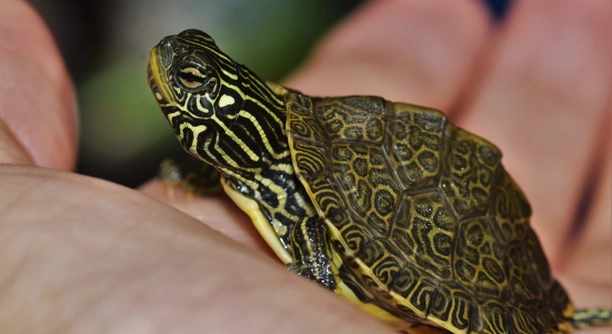
The Escambia map turtle is a unique species found in the southeastern United States. Known for its beautiful markings and distinctive shell patterns, it makes a fascinating pet. This guide will explore its key features and provide helpful care tips.
The Escambia map turtle features a distinct pattern on its shell and a yellow stripe behind its eyes. These turtles prefer freshwater habitats, often found in rivers and lakes. They require a basking spot and a varied diet to thrive.
Caring for an Escambia map turtle is a rewarding experience. Understanding their needs helps provide them with a healthy and happy life. We’ll cover essential care tips, from habitat setup to feeding and health maintenance.
Key Physical Features of the Escambia Map Turtle
The Escambia map turtle is easily recognizable thanks to its unique shell patterns and striking yellow markings. The dark, olive-green to brown shell often features intricate, map-like lines, which give the species its name. The top shell, or carapace, has a slightly raised ridge along the center, which adds to its distinct appearance. The yellow stripe running from the eye to the jaw is a key feature. Males are generally smaller than females, with males typically reaching around 5 inches and females growing up to 10 inches in length. Their long, sharp claws and webbed feet help them swim gracefully in their freshwater habitats.
The Escambia map turtle’s beautiful markings and physical features make it a standout in any turtle collection. With proper care, these features can remain vibrant for many years.
If you want to care for an Escambia map turtle, it’s important to keep their environment clean. Regular water changes and proper basking areas ensure these turtles stay healthy and vibrant. Their markings are also a sign of their well-being.
Habitat and Living Conditions
Escambia map turtles prefer freshwater environments with slow-moving waters, such as rivers, lakes, and marshes. To recreate this environment at home, you’ll need a large aquarium or a pond. A spacious tank is essential because these turtles enjoy basking and swimming. For a proper setup, the tank should be at least 75 gallons for one turtle. A basking platform, where the turtle can dry off and soak up heat, should be placed at one end of the tank. The water temperature should be maintained between 75°F to 80°F, with a basking area reaching up to 85°F.
Besides water temperature, the water quality is crucial. Make sure the water is kept clean and well-filtered to prevent any buildup of bacteria or harmful substances. A powerful filtration system will help keep the water fresh, reducing the need for frequent water changes. Regular water testing is also essential to monitor pH levels and other factors.
If you’re setting up a habitat for an Escambia map turtle, invest in high-quality filtration systems. A clean, warm, and spacious environment will help your turtle thrive. It’s not just about the size of the tank but maintaining the right conditions to keep the turtle comfortable.
Diet and Feeding
Escambia map turtles are omnivores, enjoying a diet that includes both plant and animal matter. They typically eat insects, fish, worms, and aquatic plants. A balanced diet ensures proper growth and health. Offering a variety of foods will keep them healthy and satisfied.
These turtles also appreciate occasional treats, such as small amounts of fruits like berries or melon. However, it’s important not to overfeed them with high-fat foods like fish or meat. Properly feeding your turtle will help maintain its vibrant shell pattern and support its overall well-being. It’s essential to vary their diet regularly.
Feeding frequency depends on the turtle’s age and size. Younger turtles need to eat daily, while adults can be fed every other day. It’s essential to avoid offering too much food at once, as this can lead to water pollution and health issues. Use a feeding dish to prevent food from scattering in the tank.
Health and Maintenance
Escambia map turtles need routine care to stay healthy. Regular tank cleaning is essential to prevent bacteria buildup, and you should monitor the water temperature and quality. Healthy water promotes a healthy turtle.
Your turtle’s shell is a good indicator of its health. If you notice any cracks, unusual soft spots, or discoloration, it’s a sign that the turtle may be sick. Maintaining a balanced diet and keeping its environment clean will help prevent these issues. Regularly check for parasites, and if necessary, consult a veterinarian specializing in reptiles.
These turtles also benefit from regular basking time. Providing access to UVB light helps them metabolize calcium, which is essential for strong bones and a healthy shell. If they don’t get enough UVB light, they may suffer from metabolic bone disease.
Lifespan and Growth
Escambia map turtles can live up to 30 years in captivity with proper care. Their growth rate slows as they age, and they typically reach full maturity between 5 and 7 years. Regular maintenance of their environment and diet will help them reach their full lifespan.
Growth can be influenced by factors such as water quality, diet, and the amount of space they have. Providing a consistent environment, along with regular feeding, can promote a steady growth rate. Turtles that aren’t properly cared for may not grow as expected and could face health issues.
Behavior and Personality
Escambia map turtles tend to be shy and calm. They prefer spending time basking on rocks or floating in the water rather than interacting. However, they can become more comfortable around their caretakers with time and might occasionally approach for food or attention.
It’s important to provide a peaceful environment for them. These turtles aren’t aggressive but will display defensive behaviors if they feel threatened. When stressed, they may retreat into their shells or become less active. Patience and gentle handling will help them feel more secure over time.
FAQ
What is the ideal tank size for an Escambia map turtle?
Escambia map turtles need space to swim and bask, so a tank of at least 75 gallons is recommended for one turtle. If you have more than one, you’ll need a larger tank to ensure they have enough space. A larger tank also helps maintain better water quality, which is crucial for their health.
How often should I change the water in my turtle’s tank?
Water changes are essential for keeping your turtle healthy. A good rule of thumb is to change about 25-50% of the water every 1-2 weeks. However, this can vary depending on the tank’s filtration system and the turtle’s waste output. Regular water testing will also help you determine if it’s time for a change.
What temperature should the water be for an Escambia map turtle?
The water temperature should be maintained between 75°F to 80°F. This ensures the turtle can swim comfortably and stay active. Use a reliable aquarium heater to keep the water at a consistent temperature, especially in cooler months. A thermometer in the tank will help monitor the temperature accurately.
What should I feed my Escambia map turtle?
Escambia map turtles are omnivores, so their diet should include a mix of animal and plant matter. Offer insects, fish, worms, and aquatic plants regularly. Occasionally, you can give them fruits like berries or melon, but avoid overfeeding them with high-fat foods. Make sure to offer a variety to ensure they receive a balanced diet.
Do Escambia map turtles need UVB lighting?
Yes, UVB lighting is essential for Escambia map turtles to metabolize calcium properly and maintain a healthy shell and bones. Place a UVB light over their basking area for about 10-12 hours a day. This mimics natural sunlight and helps prevent metabolic bone disease. Be sure to replace the UVB bulb every 6 months.
Can I keep multiple Escambia map turtles together?
It’s possible to keep more than one Escambia map turtle together, but it depends on the size of the tank. Make sure the tank is large enough to accommodate multiple turtles, with plenty of space for each to bask and swim. Monitor them for signs of aggression, especially if there is limited space. If you notice any bullying or competition for resources, it may be best to separate them.
How can I tell if my turtle is sick?
If your Escambia map turtle is sick, you may notice behavioral changes, such as reduced appetite, lethargy, or staying underwater for long periods. Other signs of illness include abnormal shell discoloration, soft spots, or swelling. If you notice any of these symptoms, it’s important to consult a reptile veterinarian for proper diagnosis and treatment.
What kind of basking area does my turtle need?
Your turtle needs a dry basking area where it can completely rest out of the water to soak up heat from a heat lamp. This area should be positioned to provide enough space for the turtle to stretch out. The temperature on the basking platform should be between 85°F and 90°F. Make sure the basking area is easy to access and safe for the turtle to climb onto.
How often should I feed my Escambia map turtle?
Young Escambia map turtles should be fed daily, while adults can be fed every other day. Overfeeding can lead to water pollution and obesity, so only offer as much food as they can consume in 10-15 minutes. Make sure to remove any uneaten food promptly to keep the tank clean.
Can I release my Escambia map turtle into the wild?
It’s not recommended to release a pet Escambia map turtle into the wild. Domesticated turtles may not survive because they’re not adapted to the wild environment and could introduce diseases to local wildlife. If you no longer want your turtle, it’s best to contact a local reptile rescue or sanctuary.
Do Escambia map turtles hibernate?
Escambia map turtles don’t hibernate, but they may become less active during the winter months. As cold-blooded animals, their activity level decreases when the water temperature drops. You don’t need to worry about hibernation, but it’s important to maintain the proper water temperature year-round to keep them healthy and active.
Can I handle my Escambia map turtle?
While Escambia map turtles are generally not aggressive, they can be shy and may not enjoy frequent handling. If you do handle them, be gentle and avoid stressing them out. Over time, they may become more accustomed to your presence, but always let them come to you at their own pace.
How long do Escambia map turtles live in captivity?
Escambia map turtles can live up to 30 years in captivity when given proper care. Providing a clean environment, a balanced diet, and regular health checks will help ensure they live a long, healthy life. Maintaining the right temperature, lighting, and water quality is key to their longevity.
Can I feed my turtle store-bought turtle pellets?
Store-bought turtle pellets can be part of your turtle’s diet, but they should not be the sole food source. These pellets often lack the variety of nutrients that your turtle needs. It’s best to offer pellets in combination with other foods like fish, insects, and vegetables to ensure a balanced diet.
Final Thoughts
Escambia map turtles are fascinating creatures, known for their distinct markings and calm personalities. They require specific care to thrive in captivity, but with the right environment, diet, and attention, they can live a long and healthy life. Setting up a proper habitat is the first step in ensuring their well-being. A spacious tank with clean, warm water and a suitable basking area will provide the foundation for a happy turtle. It’s also important to maintain good water quality through regular changes and proper filtration.
Their diet is another key factor in their care. Offering a variety of foods, including insects, fish, and aquatic plants, helps keep your turtle healthy and provides essential nutrients. Don’t forget to add occasional treats like fruit, but be mindful of not overfeeding. Regular feeding schedules are essential to avoid water contamination and ensure that your turtle gets the right amount of food. Along with a balanced diet, UVB lighting is a must for proper calcium absorption and shell health. Without it, turtles may develop metabolic bone disease, so make sure they have access to UVB light each day.
Overall, Escambia map turtles can make wonderful pets for those who are willing to provide the right care. They are not high-maintenance pets but do require attention to detail. With the proper tank setup, diet, and health care, these turtles can live for decades and become a lasting companion. Whether you’re a first-time turtle owner or an experienced one, understanding their needs and meeting them will ensure a fulfilling relationship for both you and your turtle. Always be mindful of their specific needs, and don’t hesitate to seek advice from a reptile vet if any concerns arise.

Hello,
If you enjoy the content that we create, please consider saying a "Thank You!" by leaving a tip.
Every little bit helps us continue crafting quality advice that supports the health, happiness, and well-being of pets around the world, for pets of all shapes, sizes, and species.
We really appreciate the kindness and support that you show us!