
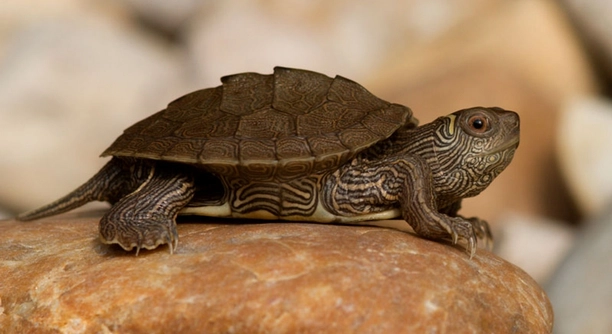
Map turtles are fascinating creatures, but they can be quite sensitive to their environment. Understanding their reactions to sudden movements can help us better care for them. This article explores why these turtles are particularly sensitive to changes around them.
The sensitivity of map turtles to sudden movements is largely due to their natural instincts. These turtles have evolved to be highly alert to potential threats. Quick movements trigger a defensive response as they associate sudden activity with danger.
This behavior is tied to their survival instincts, and recognizing it can improve how we interact with them. It also sheds light on the turtle’s overall nature and how it adapts to its surroundings.
Why Map Turtles React to Sudden Movements
Map turtles are highly alert animals that react quickly to unexpected changes in their environment. These turtles have evolved with an instinctive response to sudden movements, often linked to their survival mechanisms. In the wild, quick movements often signal potential predators or threats, so they have developed a heightened sense of awareness to stay safe. This is an important part of how they interact with their surroundings, whether in the wild or in a controlled environment like a pet tank.
Their sensitivity is a defense mechanism, allowing them to quickly assess possible risks. When a map turtle senses sudden motion, it will often retreat into its shell or become very still, which helps it avoid predators. This reaction is deeply ingrained in their behavior and is crucial for their protection.
Understanding this behavior is essential for pet owners. If a map turtle feels threatened by a sudden movement, it can become stressed. Over time, this stress can lead to health issues. It’s important to be mindful of how we move around them, creating a calm and stable environment that avoids startling them unnecessarily.
How to Help Your Map Turtle Stay Calm
Creating a stress-free environment for your map turtle is key. Map turtles, like many other animals, thrive in stable, quiet conditions. A calm and predictable environment will help reduce the chances of them feeling threatened. Avoid sudden, jerky movements near their habitat to help them feel more secure.
Setting up a tank with appropriate hiding spots and maintaining a consistent environment can minimize the stress that comes from unexpected changes. Map turtles will benefit from spaces where they can retreat to feel safe. This also includes regulating the temperature and light levels to keep them comfortable.
Why Map Turtles Are More Sensitive in Captivity
Map turtles are more sensitive in captivity because their environment is controlled, and they aren’t exposed to natural threats. In the wild, their instincts guide them through constant changes in their surroundings, but in captivity, any abrupt change in their environment can be startling. They’re used to a certain routine, and sudden disruptions cause them stress.
In a controlled setting, map turtles have less space to roam and fewer ways to escape perceived threats. This makes them feel more vulnerable. A sudden movement, noise, or change in their surroundings may be interpreted as a danger, triggering their natural defensive responses. When these turtles feel unsafe, they can become withdrawn, anxious, or even stop eating, which negatively impacts their health.
To avoid stressing your map turtle, consistency in their daily environment is essential. Keeping their tank undisturbed and providing a quiet, low-traffic space will help them feel more secure. Routine feeding times, light levels, and water quality should also remain stable to prevent triggering their stress response.
The Role of the Environment in Their Sensitivity
Map turtles’ sensitivity to sudden movements is closely tied to the environment they live in. Changes in their surroundings, whether natural or artificial, can immediately alert them to potential threats. Unlike wild environments, where movement and noise are a constant, captivity can create a more predictable, yet fragile, habitat. Turtles rely on this stability to feel safe.
Any sudden changes, such as rearranging their tank or introducing unfamiliar objects, can send map turtles into a defensive state. Their reaction to these changes is often physical—such as retreating into their shells or becoming completely still—and it’s a direct result of their survival instincts. In the wild, their shell is their primary defense against predators. In captivity, they may react the same way to anything that feels foreign or unsettling.
How Sudden Movements Affect Map Turtles Physically
Map turtles can experience physical reactions when startled by sudden movements. This stress often causes them to retract into their shells or freeze. These responses are their natural instinct to protect themselves from perceived threats, which helps them avoid danger in the wild.
When startled, map turtles may also stop eating or hide more frequently. This physical response is their way of coping with what they see as a threat to their safety. Prolonged stress can lead to weakened immune systems, making them more susceptible to illness. Maintaining a calm environment is important to avoid these reactions.
The Impact of Stress on Map Turtles’ Health
When map turtles are frequently stressed, it can lead to various health issues. Chronic stress weakens their immune system and makes them more vulnerable to infections. They may also experience changes in their behavior, such as becoming less active or losing their appetite, which can further affect their overall well-being.
To ensure they remain healthy, map turtles need a stable environment with minimal stressors. Regular observation and a consistent routine will help prevent stress from building up. Keeping their habitat clean and providing plenty of hiding spaces allows them to feel safe and secure, which is essential for their long-term health.
Ways to Minimize Stress for Map Turtles
You can minimize stress for map turtles by keeping their environment quiet and undisturbed. Avoiding sudden movements or loud noises around their tank will help them feel secure. Additionally, ensure they have enough hiding spots where they can retreat if they feel threatened.
FAQ
Why are map turtles so sensitive to movement?
Map turtles are highly alert creatures, and their sensitivity to movement stems from their natural instinct to detect potential threats. In the wild, quick movements often indicate predators, so their reaction is a survival mechanism. When startled, they may freeze or retreat into their shells to protect themselves from danger. This instinct remains strong, even in captivity, where sudden movements or changes in their environment can trigger similar responses.
Can stress harm a map turtle?
Yes, stress can significantly harm map turtles. Continuous stress can weaken their immune systems, making them more vulnerable to infections and illnesses. Stress can also lead to behavioral changes, such as loss of appetite or a more withdrawn demeanor. Long-term stress affects their overall health, so it’s crucial to minimize the factors that cause stress.
How can I reduce stress for my map turtle?
To reduce stress, maintain a stable, quiet environment for your map turtle. Avoid sudden, jerky movements near their tank and minimize loud noises. Keeping their habitat consistent and predictable—such as regular feeding times, lighting schedules, and tank arrangements—will help them feel secure. Adding hiding spots or structures where they can retreat also helps them feel safe.
Do map turtles need a lot of space?
Yes, map turtles do need a decent amount of space to thrive. In the wild, they are accustomed to larger areas with access to both water and land. In captivity, providing a spacious tank with both a water section for swimming and a dry area for basking is essential for their physical and mental well-being. The bigger the tank, the better it is for their overall health.
Can map turtles recognize their owners?
Map turtles may not form strong bonds with their owners, but they can learn to associate them with food and positive experiences. Over time, they may become more comfortable with their owners’ presence, especially if there is a routine for feeding and care. They likely recognize their owners by sight and movement, although not in the same way a pet like a dog or cat would.
Is it okay to move the tank around?
It’s best to avoid moving the tank around frequently. Map turtles rely on a stable environment to feel secure, and constant changes can stress them out. If you need to relocate the tank, do it gradually, allowing them to adjust to the new position without feeling startled. This can help avoid unnecessary stress and disruption.
How often should I feed my map turtle?
Map turtles should be fed every 2-3 days, depending on their age and size. Younger turtles tend to eat more frequently than adults, while older turtles can go longer without food. It’s important to maintain a consistent feeding schedule to prevent stress. Offer a balanced diet, including protein-rich foods and leafy greens, to ensure they get the proper nutrients.
What should I do if my map turtle is acting lethargic?
If your map turtle is acting lethargic, it could be a sign of stress or illness. Check if their environment is appropriate, with clean water, proper temperature, and adequate lighting. Stress caused by sudden movements, poor water quality, or a lack of food can lead to lethargy. If these factors are not the issue, consult a vet to rule out any health problems.
Can map turtles live with other turtles?
Map turtles can live with other turtles if they are of similar size and temperament. However, it’s important to monitor their interactions, as some turtles may become territorial or aggressive, especially if resources like food and basking spots are limited. Always ensure the tank has enough space for all turtles and that they are compatible before introducing them to each other.
Do map turtles need UVB lighting?
Yes, map turtles need UVB lighting to help them synthesize vitamin D3, which is necessary for healthy bone growth and overall well-being. Without proper UVB exposure, turtles can develop shell deformities and other health issues. Make sure to provide a UVB light source in their tank, and ensure it is placed in an area where they can bask under it regularly.
Can I keep my map turtle outdoors?
Map turtles can be kept outdoors in suitable environments, but only if the conditions are right. They need a safe, secure enclosure with access to both water and land. The temperature should be consistent and within their preferred range, and there should be protection from predators. Additionally, the outdoor environment should be free from pesticides or other chemicals that could harm them.
Final Thoughts
Map turtles are fascinating creatures with unique sensitivities, particularly when it comes to sudden movements. Their instinct to react quickly to any potential threats is deeply embedded in their behavior, helping them stay safe in the wild. While this instinct is important for their survival, it can also make them quite sensitive to changes in their environment, especially in captivity. As pet owners, it’s essential to understand how these sudden movements can impact their stress levels and overall well-being.
Maintaining a stable, calm environment is key to ensuring that map turtles thrive in captivity. Creating a routine with consistent feeding times, lighting, and tank setup helps reduce unnecessary stress. Avoiding sudden movements or loud noises near their habitat can also make a big difference in how they react to their surroundings. By being mindful of their sensitivity, you can create a more comfortable, secure space for your turtle, allowing them to feel safe and relaxed in their home.
Lastly, it’s important to recognize that while map turtles are resilient, they do require attention to their emotional and physical health. Stress can lead to a range of issues, including loss of appetite, lethargy, and weakened immune systems. By understanding the connection between sudden movements and stress, you can prevent these problems and ensure that your map turtle leads a happy, healthy life. Taking simple steps to minimize stress will help you foster a positive and lasting relationship with your turtle.

Hello,
If you enjoy the content that we create, please consider saying a "Thank You!" by leaving a tip.
Every little bit helps us continue crafting quality advice that supports the health, happiness, and well-being of pets around the world, for pets of all shapes, sizes, and species.
We really appreciate the kindness and support that you show us!