
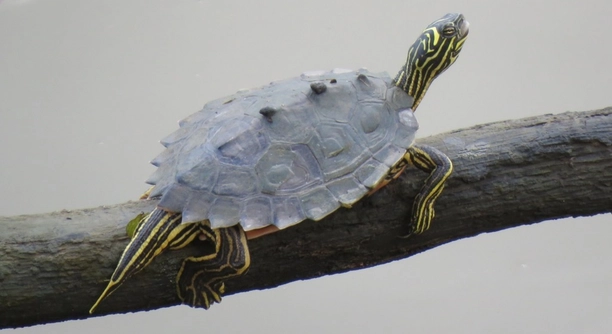
Map turtles are fascinating creatures, but if you notice yours always sleeping, it can leave you wondering what’s going on. Understanding your turtle’s behavior is important to ensure it’s healthy and thriving.
Turtles, including map turtles, tend to sleep more than other pets due to their cold-blooded nature and specific care needs. Sleeping more than usual can indicate stress, health issues, or an environment that doesn’t meet their requirements.
By examining factors like water temperature, diet, and habitat, you can ensure your map turtle is comfortable. Understanding these signs helps create a healthy environment for your turtle to thrive.
Why Map Turtles Sleep More Than Other Pets
Map turtles are naturally more active during certain times of the day, but they can sleep for long periods. Since they are cold-blooded, their energy levels depend heavily on their surroundings. Turtles regulate their body temperature by basking in the warmth of the sun or a heat lamp. If they are kept in an environment that is too cold or uncomfortable, they may sleep more than usual to conserve energy.
In the wild, map turtles often sleep in the water or on logs, where they feel safe and secure. When kept as pets, it’s important to replicate these conditions to make them feel at ease.
If your map turtle is sleeping excessively, consider adjusting its habitat. Ensure the water temperature is warm enough, and provide a basking area with adequate lighting. A proper tank setup will make your turtle feel more active and healthy.
Common Stress Factors Affecting Sleep
Stress can cause a map turtle to retreat into sleep. Poor living conditions like overcrowded tanks, sudden changes in the environment, or improper lighting can stress your turtle.
Stress can also occur when a turtle feels threatened or exposed to loud noises, making it withdraw from its surroundings. Providing a quiet, secure space can help minimize stress.
Temperature and Habitat Issues
If your map turtle is sleeping too much, the temperature in its tank could be too low. Cold water can slow down its metabolism, making it more lethargic. Map turtles need a specific water temperature between 75°F and 80°F. Anything below that range can lead to excessive sleep or lack of activity.
In addition to water temperature, the basking area needs to be warm enough, around 85°F to 90°F. Without the proper setup, your turtle may retreat into sleep to preserve its energy. It’s important to ensure that the temperature in both the water and basking area stays consistent.
Using an aquarium heater and a UVB light for the basking spot can help maintain these ideal conditions. If these elements aren’t in place, your turtle may not feel active or healthy. Regularly check both the water temperature and basking area to keep your turtle active and comfortable.
Diet and Health Concerns
Map turtles require a balanced diet to stay healthy and active. If your turtle isn’t eating properly, it may become weak and sleep more often. Turtles need a mix of protein, vegetables, and occasionally fruits to thrive. If they’re not getting enough nutrition, they could become lethargic.
Sometimes, an underlying health issue like a vitamin deficiency or parasites can also cause excessive sleeping. If the turtle’s diet lacks important nutrients, it could be a sign of a more serious problem. Without proper care and nutrition, your turtle might retreat into its shell and sleep longer than usual.
Consulting a veterinarian is a good step if you suspect any health issues. Regular checkups and offering a proper diet of protein and plant-based foods are essential to keep your map turtle active.
Tank Size and Overcrowding
If your map turtle’s tank is too small or overcrowded, it may feel stressed and sleep more. Turtles need ample space to swim and bask. If they’re crammed in a small tank, they may retreat into sleep to avoid the uncomfortable surroundings.
A crowded tank can increase stress and reduce activity, as turtles may compete for resources like space, food, and basking spots. Providing enough room for your turtle to move freely can reduce this stress. It’s important to ensure the tank is appropriately sized for the number of turtles and their needs.
Lighting and UVB Exposure
Proper lighting is crucial for a map turtle’s health. A lack of UVB light can cause your turtle to feel lethargic and sleep more than usual. UVB light helps turtles produce vitamin D3, which is essential for calcium absorption and overall health.
If your turtle isn’t getting enough UVB light, it could develop shell deformities, weakened bones, or other health issues. Make sure the tank has a UVB light bulb, and it’s positioned correctly above the basking area. Turtles need this light to stay active and healthy.
Health Check and Care
If your map turtle is sleeping excessively despite proper tank conditions, a vet check may be necessary. Turtles can develop infections, respiratory issues, or other conditions that cause lethargy. Regular checkups will help ensure your turtle is in good health and free of diseases.
FAQ
Why is my map turtle sleeping so much?
Map turtles tend to sleep more than other pets due to their cold-blooded nature. Their energy levels depend on their surroundings, and if the water temperature is too low or the environment isn’t ideal, they may sleep to conserve energy. If your turtle is consistently sleeping, check its tank setup, temperature, and lighting. Stress and poor health can also cause excessive sleeping, so ensure the tank is large enough, and your turtle is receiving proper nutrition.
How can I tell if my map turtle is stressed?
Stress can cause your map turtle to become lethargic or sleep more often. Some signs of stress include hiding, swimming in circles, or avoiding basking areas. Overcrowded tanks, poor water quality, or sudden changes in the environment can contribute to stress. Providing a calm, clean environment with enough space and the right conditions can reduce stress and improve activity levels.
What temperature should my map turtle’s tank be?
For optimal health, the water temperature in your map turtle’s tank should be between 75°F and 80°F. The basking area should be around 85°F to 90°F. These temperatures help regulate your turtle’s metabolism and activity levels. If the water is too cold, your turtle may become sluggish or sleep more than usual.
Can I keep multiple map turtles together?
You can keep multiple map turtles together, but it’s important to ensure they have enough space. Overcrowding can lead to stress, territorial behavior, and excessive sleeping. Make sure the tank is large enough to accommodate the turtles comfortably, with plenty of hiding spots, basking areas, and room to swim.
Why isn’t my map turtle eating?
If your map turtle isn’t eating, it could be a sign of stress, illness, or improper water temperature. Make sure the water is clean and at the right temperature. Check that you’re offering a varied diet, including protein sources, leafy greens, and occasional fruits. If the issue persists, consider visiting a vet.
What should I feed my map turtle?
Map turtles need a balanced diet that includes protein, vegetables, and fruits. You can feed them commercial turtle pellets, along with fresh leafy greens like kale, dandelion greens, and collard greens. Occasionally, you can offer them live or frozen foods like insects, shrimp, or fish. Avoid overfeeding and ensure variety in their diet.
Do map turtles need UVB light?
Yes, map turtles need UVB light to produce vitamin D3, which is essential for calcium absorption and healthy bone growth. Without UVB light, your turtle could develop weak bones, shell deformities, or other health issues. Provide a UVB light above the basking area, and replace it regularly since the effectiveness decreases over time.
How often should I clean my map turtle’s tank?
Cleaning your map turtle’s tank is essential for maintaining a healthy environment. Perform partial water changes weekly to keep the water clean and free of waste. You should also clean the filter regularly and scrub the tank walls to prevent algae buildup. Ensure the basking area and decorations are cleaned as needed to prevent bacteria growth.
Why is my map turtle’s shell soft?
A soft shell is often a sign of a calcium deficiency or improper UVB lighting. Map turtles need UVB light to process calcium from their food. Without enough calcium, the shell can become soft and deformed. Ensure your turtle has access to UVB light and offer calcium supplements if needed, either through its food or in the form of cuttlebone.
How can I prevent my map turtle from getting sick?
To keep your map turtle healthy, maintain clean water, proper temperature, and UVB lighting. Ensure it has a balanced diet and a spacious tank. Regularly check for signs of illness, such as lack of appetite, abnormal swimming, or shell problems. Providing proper care and a stable environment will help prevent most health issues.
Can map turtles live outside?
Map turtles can live outdoors in certain climates, but only if the environment is suitable. The water temperature should stay within the proper range, and there should be access to both water and a basking area. Outdoor habitats must be safe from predators, and the water should be clean and filtered. Always monitor the conditions carefully to ensure your turtle’s health and safety.
Final Thoughts
Map turtles, like other reptiles, have unique needs that can affect their behavior. If your turtle is sleeping more than usual, it’s important to consider a few factors. Temperature, habitat, diet, and overall health all play a role in your turtle’s activity levels. If these elements are not right, your map turtle may become lethargic or sleep excessively. Ensuring a warm, clean environment with proper lighting and space is essential for keeping your turtle active and healthy.
Additionally, stress and health problems can lead to excessive sleeping. Stress can come from overcrowding, sudden changes, or other factors like poor water quality. On the other hand, health issues such as infections, deficiencies, or parasites can cause lethargy in turtles. Regular vet checkups, proper diet, and a comfortable environment are key to keeping your turtle happy and active. If you notice your turtle is sleeping too much, take a moment to assess its tank setup and general well-being. This can help you identify any issues that need attention.
Finally, understanding your map turtle’s natural habits and needs is crucial to ensuring it stays healthy. Remember, turtles are cold-blooded creatures that need the right temperature and lighting to stay active. If your turtle is sleeping more than normal, it’s worth taking the time to check all the conditions in its tank. With the right care and attention, your map turtle will stay healthy and enjoy its habitat, whether it’s sleeping or swimming around.

Hello,
If you enjoy the content that we create, please consider saying a "Thank You!" by leaving a tip.
Every little bit helps us continue crafting quality advice that supports the health, happiness, and well-being of pets around the world, for pets of all shapes, sizes, and species.
We really appreciate the kindness and support that you show us!