
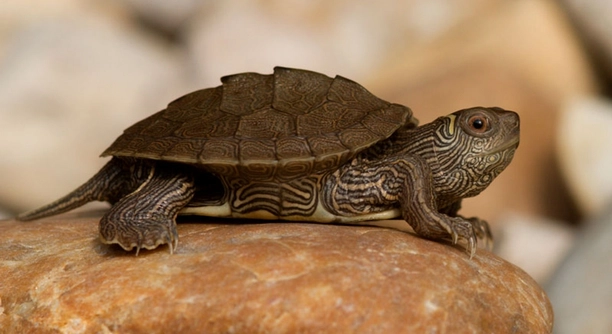
Map turtles are fascinating creatures, but their unusual shell shapes often leave people wondering about the reasons behind these unique physical traits. These peculiar shapes are not only captivating but hold important biological significance for the species.
The development of abnormal shell shapes in map turtles can be attributed to a variety of environmental and genetic factors. These influences, including diet, habitat, and genetic mutations, may lead to deformities or unique shell characteristics that distinguish individual turtles.
Understanding the reasons behind these unusual shell shapes is essential for appreciating the turtle’s adaptability and health. The factors influencing shell development are interconnected and can offer valuable insights into the biology of map turtles.
Environmental Influences on Shell Shape
Map turtles often live in diverse habitats that can directly affect their shell development. Water quality, temperature, and available food sources play major roles in shaping their shells. For example, turtles living in areas with high pollution may develop irregular or softer shells due to the stress of their environment. Furthermore, water temperature can influence the growth patterns of the shell, as colder temperatures may lead to stunted growth while warmer waters can accelerate development.
Temperature changes in the turtle’s habitat are especially significant during their early developmental stages. Inconsistent heat exposure can lead to deformities or changes in shell formation. Turtles that spend time in areas with fluctuating water temperatures often exhibit odd shell shapes compared to those in stable conditions.
These environmental factors affect map turtles in various ways, often causing them to adapt in order to survive. The interaction between their habitat and genetic makeup plays a vital role in determining how their shells evolve over time. The effects are not always visible immediately, but over generations, these traits can become more pronounced.
Genetic Factors and Their Role
Genetics also play a key part in determining the shape of a map turtle’s shell. Mutations and inherited traits can result in noticeable differences, from small variations to extreme shell deformities. While these genetic influences may seem random, they are crucial for maintaining diversity within the species.
Inherited genetic defects can cause conditions where turtles develop unusual or malformed shells. These traits, passed down from their parents, can sometimes cause permanent deformities that may impact the turtle’s overall health and mobility. Over time, some turtles adapt to these conditions, while others struggle to survive.
Understanding the genetic aspects of shell shape allows researchers to monitor the overall health of map turtle populations. Studying these traits helps track the effects of inbreeding or genetic mutations within the species. The more we understand, the better we can help protect map turtles and their habitats.
Diet and Its Impact on Shell Development
The diet of map turtles has a direct effect on the development of their shells. A lack of essential nutrients like calcium and vitamin D3 can lead to weak or improperly formed shells. Turtles in captivity are more likely to suffer from malnutrition if their diet isn’t balanced with appropriate foods.
Calcium is vital for proper shell growth, and without it, the shell may become soft or misshapen. Vitamin D3, which helps turtles absorb calcium, is also crucial. Without access to natural sunlight or UVB light, the turtle’s shell development can be hindered. A poor diet will impact their long-term health.
Additionally, a diet high in protein but low in essential minerals can cause irregularities in the shell. Providing map turtles with a well-rounded diet, including leafy greens, fish, and proper supplementation, helps ensure proper shell growth and overall well-being. It’s important to ensure that captive turtles receive the proper nutrients in controlled environments.
Habitat Stressors and Shell Abnormalities
Map turtles are particularly sensitive to habitat stressors, such as pollution and habitat degradation. Poor water quality can lead to issues with their shells, as toxins affect their ability to grow and maintain strong, healthy shells. In areas with higher levels of pollution, map turtles may develop deformities, including thinner or more fragile shells.
Toxins found in polluted water, such as heavy metals, can interfere with calcium absorption, causing abnormal growth. Polluted environments stress turtles, making them more prone to shell malformations. This is why maintaining clean, healthy habitats for map turtles is critical to preventing such abnormalities. Environmental changes can harm their overall development.
With the increasing loss of natural habitats and the rising pollution levels, many map turtles are faced with the challenge of surviving in compromised conditions. This highlights the importance of conservation efforts to protect their environment and minimize stressors that can cause lasting physical issues.
Age and Shell Development
As map turtles age, their shells continue to develop and change. The shell of a juvenile turtle is more flexible, allowing it to grow and adapt to its surroundings. Older turtles often experience less noticeable shell growth, and any existing deformities may become more apparent over time.
The rate of shell development is linked to the turtle’s overall health and environmental factors. A map turtle’s shell becomes harder and more rigid as it matures, but this can also make it more prone to injury or deformation if exposed to harsh conditions.
Disease and Shell Deformities
Certain diseases can lead to the development of unusual shell shapes in map turtles. Infections like shell rot can cause parts of the shell to soften and deform. This can leave the turtle vulnerable to further damage.
Early detection and treatment are essential to prevent disease from affecting the turtle’s shell. Proper care and maintaining a clean habitat can reduce the risk of infections. Regular veterinary check-ups are crucial for keeping map turtles healthy and preventing deformities caused by disease.
Reproductive Factors
Reproductive factors, such as genetic mutations passed through breeding, can also influence shell development. Map turtles with certain genetic traits may inherit shells with unique shapes or deformities. Breeding between closely related turtles can increase the likelihood of such traits appearing in offspring.
Inbreeding can affect the genetic health of a population. By encouraging diverse breeding, the genetic pool is strengthened, reducing the risk of inherited shell abnormalities. Healthy breeding practices ensure that map turtles are better equipped for survival and proper shell growth.
FAQ
Why do some map turtles have more pronounced shell deformities?
Shell deformities in map turtles are often due to environmental stressors, malnutrition, or genetic mutations. Poor water quality, lack of proper diet, or exposure to pollutants can result in weaker or misshapen shells. Over time, these factors can have a cumulative effect on their physical development.
Can map turtles’ shells return to normal after deformities?
In many cases, once a map turtle’s shell is deformed, it does not fully return to its original shape. However, providing proper care, including a balanced diet, clean water, and reducing environmental stress, can help prevent further damage and allow the turtle to thrive despite the deformities.
What kind of diet is best for preventing shell deformities?
A diet rich in calcium, vitamin D3, and other essential nutrients is key to preventing shell deformities. Map turtles benefit from a balanced mix of leafy greens, fish, and calcium supplements. Proper UVB exposure is also important for the absorption of these nutrients.
How can water quality affect map turtles’ shell development?
Water quality directly influences a map turtle’s health and shell development. Polluted water can cause toxins to enter their system, interfering with calcium absorption and leading to weakened shells. Regular water changes and maintaining proper filtration help reduce the risk of deformities linked to poor water quality.
Are there any specific diseases that cause shell deformities?
Yes, diseases like shell rot and metabolic bone disease (MBD) are common causes of deformities in map turtles. Shell rot, often caused by bacteria, softens the shell and can cause deformities if untreated. MBD, typically caused by calcium deficiency, leads to soft, brittle shells that may distort.
Can map turtles’ shells heal naturally over time?
Shells may show some improvement over time if the underlying cause of the deformity is addressed, but they will not typically heal to their original form without intervention. Proper care, including good nutrition and a stable environment, can help prevent further damage and support the turtle’s overall health.
How does temperature affect the development of a map turtle’s shell?
Temperature plays a significant role in shell development. Turtles kept in environments with fluctuating or extreme temperatures may experience stunted growth or deformities. Warm temperatures are generally beneficial for shell growth, while cold temperatures can slow development and contribute to irregular shapes.
Are map turtles with shell deformities able to survive?
Yes, many map turtles with deformities can survive and thrive, provided they receive proper care. The key is maintaining a clean, safe environment, proper diet, and regular veterinary check-ups. While shell deformities may impact mobility or health, they do not necessarily prevent survival.
Can map turtles’ shells become deformed due to lack of UVB light?
Yes, UVB light is crucial for the proper development of a map turtle’s shell. Without adequate UVB exposure, turtles cannot properly absorb calcium, leading to soft or deformed shells. It’s essential for pet turtles to have access to UVB light either from natural sunlight or artificial UVB lamps.
Is it common for map turtles to have irregular shell shapes?
While not all map turtles have irregular shell shapes, it is not uncommon for some individuals to develop unique or deformed shells. These changes can be due to a variety of factors, including environmental stress, diet, genetic mutations, or disease.
How can I prevent my map turtle from developing shell deformities?
Preventing shell deformities requires a combination of good diet, clean water, proper UVB exposure, and a stable environment. Ensure your turtle has access to the right nutrients, including calcium and vitamin D3, and avoid exposing it to pollutants or fluctuating temperatures that could stress its body.
Do shell deformities affect a map turtle’s lifespan?
In most cases, shell deformities do not directly affect the lifespan of map turtles, especially if they are properly cared for. However, deformities may increase vulnerability to infections or other health issues, which could impact their longevity. Regular monitoring and care are essential to managing these risks.
Can I fix a map turtle’s deformed shell myself?
Attempting to fix a map turtle’s shell on your own can be risky and may make the situation worse. If a deformity or injury is detected, it’s best to consult a veterinarian who specializes in reptiles. They can provide appropriate treatment and guidance for shell care.
How can I tell if my map turtle has shell rot?
Shell rot is often characterized by soft, discolored patches on the shell, which may have a foul odor. In more severe cases, the shell can appear to be peeling or have visible lesions. If you suspect shell rot, it’s important to seek veterinary care immediately.
What is the role of genetics in shell deformities?
Genetics can play a role in the development of unusual or deformed shells in map turtles. Mutations or inherited traits can cause specific deformities to be passed down through generations. Inbreeding can increase the chances of these genetic traits appearing more frequently in the population.
What are the signs of a healthy map turtle shell?
A healthy map turtle shell is hard, smooth, and free from cracks, discoloration, or soft spots. The shell should be uniform in shape and appearance, with no visible deformities. Regular shell maintenance, including proper diet and environmental care, is key to maintaining shell health.
Do map turtles need their shells cleaned?
Map turtles do not typically require cleaning of their shells, as they naturally shed debris and algae. However, if algae or dirt buildup becomes excessive, it may be necessary to gently scrub the shell with a soft brush during regular cleaning. Avoid harsh scrubbing, as this could damage the shell.
Final Thoughts
Understanding why map turtles develop unusual shell shapes can help in providing better care for these reptiles. Shell deformities may occur due to factors like diet, environment, disease, or genetic traits. Each of these factors can influence how a turtle’s shell grows and changes over time. By paying attention to their needs and keeping their habitat in good condition, it’s possible to minimize the risk of shell deformities. A clean environment, proper UVB light, and a balanced diet rich in calcium are essential for their overall well-being.
While it’s true that some map turtles may naturally develop unique shell shapes, proper care can prevent many of the conditions that lead to these deformities. Map turtles, like all reptiles, require specific conditions to thrive. Regularly monitoring water quality, ensuring a varied and nutritious diet, and providing safe, stable temperatures can go a long way in supporting healthy shell development. Routine check-ups with a veterinarian who specializes in reptiles can also help in detecting any potential issues early. By catching problems early, you can often prevent long-term damage and give your turtle the best chance for a long, healthy life.
Map turtles are resilient creatures, and with the right care, they can adapt to their environment and live comfortably, even if they develop some unusual characteristics. If you notice changes in your turtle’s shell, it’s important to understand the cause and take the necessary steps to address it. While some deformities cannot be fully reversed, it’s possible to support your turtle’s health and quality of life with proper care. With the right attention and a little knowledge, you can ensure your map turtle stays healthy and happy for years to come.

Hello,
If you enjoy the content that we create, please consider saying a "Thank You!" by leaving a tip.
Every little bit helps us continue crafting quality advice that supports the health, happiness, and well-being of pets around the world, for pets of all shapes, sizes, and species.
We really appreciate the kindness and support that you show us!