
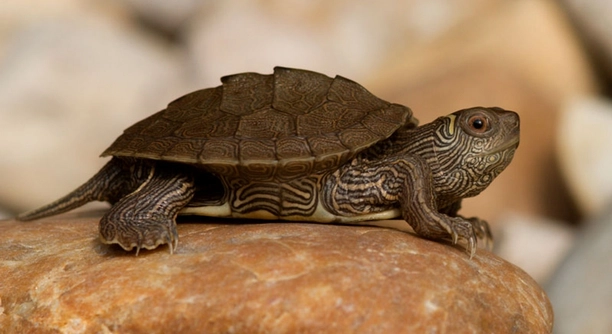
Teaching your map turtle to respond to its name can be a rewarding experience. With patience and consistency, your turtle can learn to recognize sounds and associate them with positive actions.
The process of teaching your map turtle to respond to its name involves repetition and positive reinforcement. Start by using the turtle’s name during feeding time, consistently pairing the name with a treat to help the turtle form a connection.
Proper techniques can improve your turtle’s response time. Understanding these methods ensures a smoother training process and strengthens the bond between you and your turtle.
Understanding Your Map Turtle’s Behavior
Map turtles are naturally curious and can be trained to respond to sounds and stimuli. Their ability to recognize patterns is key in teaching them their name. While their hearing is not as developed as humans, they can pick up on consistent sounds and associate them with actions. Using your turtle’s name during feeding or while offering a treat is a simple yet effective way to begin the process.
It’s essential to be consistent. Map turtles do not respond to changes in tone or inflection like dogs might. Repeating the name in a calm, steady voice allows them to recognize it as a part of their routine.
You should remain patient throughout the training. While it may take several sessions, a gradual association of the name with something positive, such as food or attention, will help the turtle connect the name with rewarding outcomes. Over time, this can lead to the turtle responding more reliably when called.
Reinforcement Methods for Map Turtles
Using positive reinforcement is the best approach for training your turtle. Rewarding your map turtle with treats or attention when it responds to its name encourages them to repeat the behavior. This builds a positive connection between the name and rewards.
Repeat the name each time you offer food or a treat. A slow, consistent approach helps your turtle understand the link between the sound and the reward. Eventually, the turtle will learn to recognize and respond when called.
Choosing the Right Time for Training
Training your map turtle at the right time is crucial. Ideally, begin when your turtle is calm and alert, often in the morning or after it has eaten. Trying to train during stressful times, like after handling or in noisy environments, can hinder the process.
A calm, relaxed atmosphere allows your turtle to focus better. Keep distractions to a minimum, and choose times when your turtle is most likely to be receptive to new stimuli. Repetition during these calm periods will help reinforce the association between its name and positive experiences, leading to faster learning.
Creating a positive environment will make a big difference. Training sessions should be brief, lasting only a few minutes at a time. This prevents overstimulation and helps your turtle stay engaged. Regular, short sessions will build familiarity and improve the chances of success.
Monitoring Progress and Adjusting
Keep track of your map turtle’s progress to understand its response times and adapt your training method. If the turtle starts responding quicker, you’re on the right track. However, if it shows little improvement, consider adjusting the frequency or timing of your training sessions.
Tracking progress allows you to see which strategies work best and where adjustments are needed. It’s important to be patient and not expect immediate results. Every turtle is different, and some may take more time to associate their name with a reward. Be prepared to make changes as needed.
A methodical approach ensures steady progress. If your turtle is not responding well, try using different types of rewards or slightly altering your tone to gauge its reaction. Patience and persistence will help create a lasting connection.
Common Mistakes to Avoid
One mistake is overtraining your turtle. Keeping sessions too long can overwhelm your turtle, leading to confusion and stress. Always stick to short, focused sessions to avoid fatigue. Training should be a positive experience, not a forced task.
Another common mistake is inconsistency. Failing to use your turtle’s name consistently or mixing up training times can delay progress. Ensure you use its name regularly and during moments when the turtle is calm. Repetition is key to forming a connection with the name.
Patience is Key
Patience is essential when training a map turtle. Unlike some pets, they do not respond immediately, so don’t expect instant results. It takes time to build a connection and for your turtle to understand what its name means. Consistency, not speed, is the path to success.
Reinforcing Good Behavior
Reinforcing your turtle’s progress with treats is important. Each time it responds to its name, reward it with a small treat or some extra attention. This reinforces the idea that responding positively to its name leads to something enjoyable.
FAQ
How long does it take for a map turtle to respond to its name?
The time it takes for your map turtle to respond to its name varies depending on its age, temperament, and the consistency of training. It may take a few weeks of regular training sessions for noticeable results. Some turtles may learn faster, while others may need more time. Keeping training sessions short, focused, and positive will help speed up the process.
Can I train my map turtle to do other things besides responding to its name?
Yes, you can teach your map turtle other basic behaviors, such as recognizing specific objects or following a path. However, keep in mind that turtles have different learning capabilities compared to more interactive pets like dogs. Consistency and patience are key when introducing new tasks.
How often should I train my map turtle?
Training should be done several times a week, but avoid overwhelming your turtle. A couple of short, focused sessions per week can be enough to build progress. Training too often or for too long can lead to stress or burnout. Finding a balance that works for both you and your turtle is essential.
What type of rewards work best for training my map turtle?
Food treats are the most effective reward for training your map turtle. You can use small portions of their regular food, such as pellets or vegetables. The reward should be something the turtle finds appealing, as this will create a stronger association with responding to its name. However, ensure treats are not overused to avoid disrupting their diet.
Can I train my map turtle without using treats?
While treats are the most effective method, you can also use attention or physical affection as a reward. Some turtles enjoy being gently handled or pet after successful training. The key is to find something that motivates your turtle and encourages them to participate in the training.
Is it necessary to use a specific tone when calling my map turtle?
Unlike dogs, map turtles do not respond to tone in the same way. They primarily recognize sounds and repetition, not variations in pitch or emotion. However, maintaining a calm and consistent voice can help create a predictable pattern that your turtle can link to positive reinforcement.
How do I know if my map turtle is stressed during training?
Signs of stress in map turtles may include hiding, becoming inactive, or showing signs of agitation like rapid movement or head withdrawal. If you notice any of these behaviors, take a break from training and give your turtle some time to relax. Always ensure that training sessions are brief and positive.
What should I do if my map turtle stops responding to its name?
If your turtle stops responding to its name, review your training routine to check for inconsistencies. Make sure the training environment is calm and free of distractions. You may need to take a short break from training and return to basics, focusing on reinforcement during feeding time to renew the connection.
Should I train my map turtle during feeding time?
Feeding time is an ideal opportunity to train your map turtle. You can incorporate the name training right before or during feeding. Turtles are highly motivated by food, so pairing the name with a treat during feeding helps strengthen the association between their name and positive experiences.
Can I train my map turtle with other pets around?
It’s best to train your map turtle in a quiet and distraction-free environment. Other pets, especially those that might be more active, could distract or stress out your turtle, making it harder for them to focus. Choose a time when other pets are not around to ensure better results.
Is it okay to train my map turtle in a tank or should I take it out?
You can train your map turtle both inside and outside its tank, but it’s important to ensure that the environment is safe and comfortable. Training outside the tank might offer fewer distractions, but if you choose to train in the tank, ensure it’s a calm environment and the turtle isn’t overwhelmed.
Can I train my map turtle to respond to multiple names or commands?
Map turtles are capable of learning multiple commands, but it’s important to focus on one behavior at a time. Once your turtle reliably responds to its name, you can introduce additional commands. Be sure to maintain consistency and use positive reinforcement to help your turtle make these connections.
How can I tell if my map turtle is starting to recognize its name?
You will begin to notice small signs that your turtle is starting to recognize its name. These signs may include your turtle turning its head toward you when you call its name or moving toward you when it hears it. Progress may be slow, but with consistent training, the response should improve over time.
Can I train my map turtle at any age?
Yes, you can train map turtles at any age, though younger turtles might pick up on things faster. Older turtles may take a bit longer to respond but are still capable of learning. Patience is important with older turtles, as they may need more time to form associations.
What should I do if my map turtle is not interested in training?
If your turtle seems uninterested or distracted, try changing the training environment or using a different type of reward. Sometimes, turtles may not be motivated by the food you’re offering, or they may be stressed or tired. Be patient, and adjust your approach to keep the training process enjoyable.
Is training my map turtle worth the effort?
While training a map turtle requires patience and consistency, it can be a rewarding experience for both you and your turtle. By teaching your turtle to respond to its name or other commands, you’ll create a stronger bond and improve communication with your pet. It’s a worthwhile endeavor if you enjoy spending time with your turtle.
Final Thoughts
Training your map turtle to respond to its name is a rewarding process, but it requires patience and consistency. Turtles are not naturally as responsive to training as other pets, so you will need to take things slow. Keep training sessions brief, positive, and free from distractions. It is essential to create an environment where your turtle feels safe and comfortable. Overloading your turtle with too many sessions or too much information at once could cause stress, which would hinder its progress. Remember, the key to success is consistency.
The use of treats or other rewards plays an important role in encouraging your turtle to respond to its name. Map turtles, like many other reptiles, are motivated by food, so using it as a reward is a practical and effective method. Make sure that the reward you use is something your turtle enjoys. While food is a great motivator, don’t forget that your turtle may also appreciate gentle handling or other forms of attention. Find the right balance that works for both of you. Positive reinforcement helps build a connection and makes learning enjoyable.
It’s also worth noting that not all turtles will respond in the same way. Some may pick up on the name quickly, while others may take a little more time. Age and personality play a role in how fast your turtle learns. Even if your turtle isn’t showing immediate signs of recognition, don’t get discouraged. Patience and perseverance are essential in building a bond with your turtle. As long as you remain consistent and offer rewards at the right moments, you will likely see improvement over time. The most important part of the process is creating a strong, positive experience for both you and your pet.

Hello,
If you enjoy the content that we create, please consider saying a "Thank You!" by leaving a tip.
Every little bit helps us continue crafting quality advice that supports the health, happiness, and well-being of pets around the world, for pets of all shapes, sizes, and species.
We really appreciate the kindness and support that you show us!