
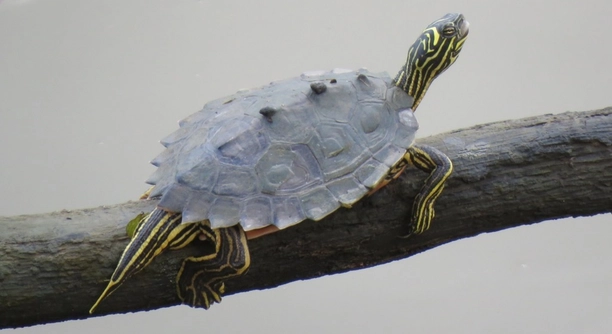
Map turtles are a popular choice for beginners due to their manageable size and unique features. These turtles come in various subspecies, each offering distinct characteristics that make them appealing to those new to reptile care.
The seven most popular map turtle subspecies for beginners include the northern, southern, and Alabama map turtles, among others. Each subspecies varies in color, pattern, and care requirements. These turtles are generally low-maintenance but require specific environmental conditions to thrive.
Understanding each subspecies’ needs is crucial for providing the best care. Proper housing, diet, and attention to their environment will ensure they remain healthy and active.
Northern Map Turtle
The Northern map turtle is known for its distinct markings, including yellow lines that form a map-like pattern on their shells. These turtles are native to rivers and streams in the central United States. They are active swimmers and prefer environments with clean, flowing water. This species typically grows to about 8-12 inches in length, making them a manageable size for most beginners. They enjoy basking on logs or rocks and need a habitat with access to both water and dry areas to sunbathe. Northern map turtles are also relatively easy to feed, thriving on a diet of aquatic plants, insects, and small fish.
The Northern map turtle is a good choice for those who want a turtle that enjoys both swimming and basking. Their moderate size and relatively simple care needs make them ideal for beginner keepers.
Maintaining a proper water filter and ensuring their habitat is kept clean will help avoid health issues. Additionally, providing a varied diet that includes both plant-based foods and protein will support their growth. Regular exposure to UVB light is essential to ensure they have the right conditions for proper shell development and overall health.
Southern Map Turtle
Southern map turtles are known for their striking yellow patterns on their heads and shells. They are typically smaller than their Northern counterparts, growing up to 6-8 inches in length. Native to the southern United States, they prefer slow-moving waters such as ponds and lakes. These turtles are highly adaptable and can thrive in various environments, provided there is clean water and space to bask. Like other map turtles, they require access to both aquatic areas and dry basking spots. They are relatively easy to care for and are a great option for beginners.
Southern map turtles thrive best in water with minimal current. For their habitat, it’s essential to maintain stable water temperatures and provide appropriate UVB lighting to support their health.
Alabama Map Turtle
The Alabama map turtle is known for its bold, distinct patterns and striking appearance. It typically reaches around 8-10 inches in length, making it a manageable size for beginners. Native to the Alabama and Mississippi river systems, they enjoy slow-moving rivers and calm lakes.
Alabama map turtles are active swimmers and need a large water area to explore. They are often found basking in the sun, so providing a basking platform is essential for their health. Their diet consists of a mix of plant matter and protein-rich foods like insects and small fish. They do well in aquariums with proper filtration and regular water changes.
Their shells can become soft or unhealthy if not exposed to enough UVB light. Regular basking ensures they receive the proper amount of sunlight for calcium absorption. Like other map turtles, they need access to both water and dry land to thrive. With the right environment, they can make great pets.
Mississippi Map Turtle
The Mississippi map turtle stands out with its unique, dark markings and bright yellow stripes. These turtles grow to around 10-12 inches in length and are known for their hardiness in various habitats. They are primarily found in slow-moving waters, such as lakes and rivers, in the southeastern United States.
Mississippi map turtles are semi-aquatic and need both water for swimming and a dry area for basking. They are comfortable in aquariums or ponds, where they can have space to move around. Their diet includes a variety of aquatic plants, insects, and small fish. Keeping their habitat clean is essential to avoid health issues.
They require stable water temperatures and proper lighting to maintain their overall well-being. Regular exposure to UVB light helps in the development of strong shells and overall health. If cared for properly, Mississippi map turtles can thrive in a beginner-friendly setup, making them a good option for first-time turtle owners.
Florida Map Turtle
The Florida map turtle is a smaller subspecies, typically growing to around 8 inches in length. They are known for their colorful markings, including a yellow stripe along their head and dark lines on their shell. Native to the southeastern U.S., they thrive in freshwater environments.
Florida map turtles require both aquatic space and a basking area. Their diet mainly consists of aquatic plants, insects, and small fish. They are relatively low-maintenance but require clean water and proper filtration to stay healthy. A well-maintained aquarium or pond is ideal for this subspecies.
Arkansas Map Turtle
Arkansas map turtles are easily identifiable by their vibrant yellow markings. They are slightly larger than the Florida map turtle, growing up to 10 inches in length. These turtles thrive in slow-moving rivers and lakes, where they enjoy basking on logs or rocks. They are well-suited for beginners.
This subspecies requires ample space for swimming and basking. Their diet includes both plant-based foods and protein, such as small fish or insects. Ensuring access to UVB light and keeping the water clean will help maintain their health. Regular water changes are necessary to avoid bacterial growth.
FAQ
What is the best habitat for map turtles?
Map turtles need both aquatic and dry areas to thrive. A large tank or pond with clean, filtered water is essential. The aquatic area should be deep enough for them to swim freely, with a basking spot above the water to allow them to sunbathe. Proper filtration is crucial to maintain clean water and prevent bacterial growth. UVB lighting should be provided to support healthy shell growth and overall well-being. A temperature range of 75°F to 85°F for the water and around 90°F for the basking area will keep them comfortable.
How often should I feed my map turtle?
Map turtles typically eat every day, but their feeding schedule can vary depending on their age and size. Younger turtles, still growing, should be fed daily with a mix of protein (like insects, worms, or small fish) and plant-based food (such as aquatic plants or leafy greens). Adult map turtles can be fed every other day. Offering a balanced diet that includes both animal and plant matter ensures they get the proper nutrients. Avoid overfeeding, as excess food can lead to obesity and health problems.
What should I feed my map turtle?
Map turtles are omnivores and require a balanced diet that includes both plant matter and protein. Suitable foods for them include aquatic plants, leafy greens like kale and dandelion, and protein sources like small fish, insects, and worms. You can also feed them high-quality turtle pellets that contain a mix of nutrients. Be sure to vary their diet to keep them healthy. Fresh vegetables and occasional treats like earthworms or crickets can be offered to ensure they get a range of vitamins and minerals.
How do I set up the tank for a map turtle?
To set up a proper tank, start with a 40-gallon tank for a single turtle. The tank should include a deep water area for swimming and a basking area, such as a dry rock or platform. Ensure that the water is filtered to maintain cleanliness, and change 25-50% of the water weekly. Add decorations like rocks and logs that provide hiding spaces and basking spots. The water should be kept at a temperature of around 75°F to 85°F, while the basking area should be around 90°F. A UVB light is also necessary for proper health.
Do map turtles need UVB light?
Yes, map turtles need UVB light to help them synthesize vitamin D3, which is essential for calcium absorption and shell health. UVB lighting should be provided for 10-12 hours a day, either through a fluorescent tube or a compact UVB bulb. The light should be placed about 6-12 inches from the basking area, ensuring that the turtle receives adequate exposure. Without proper UVB light, map turtles can develop shell deformities and other health problems related to calcium deficiency.
Can I keep multiple map turtles together?
Yes, map turtles can be kept together, but you should be mindful of their space requirements. A larger tank is necessary to accommodate multiple turtles, as they need room to swim and bask. It’s essential to provide multiple basking spots and hiding places to reduce stress and territorial behavior. Some turtles may become aggressive towards others, especially during feeding or basking time, so closely monitor their interactions. If aggression becomes an issue, separate the turtles to avoid injury. Additionally, make sure the tank is large enough to prevent overcrowding.
How can I tell if my map turtle is healthy?
A healthy map turtle has a clean, smooth shell with no cracks, soft spots, or unusual discoloration. Its eyes should be clear and bright, and it should be active, swimming and basking regularly. A turtle that is not eating, has a dull shell, or exhibits lethargic behavior may be sick. Look for signs of respiratory issues, such as wheezing or discharge from the nose, and check the water conditions to ensure they are clean and properly filtered. If you notice any signs of illness, it’s best to consult a reptile veterinarian.
What is the lifespan of a map turtle?
Map turtles can live for 20 to 30 years, or even longer with proper care. Providing the right environment, diet, and health maintenance will help them live a long, healthy life. Regularly cleaning their tank, feeding a balanced diet, and ensuring proper lighting and temperature will all contribute to their longevity. While map turtles are hardy and adaptable, they do require consistent care to ensure they reach their full lifespan.
Are map turtles easy to care for?
Map turtles are relatively easy to care for, especially for beginner turtle owners. They do require proper habitat setup, including clean water, basking areas, and UVB lighting, but their needs are not overly complex. Regular water changes, a balanced diet, and the right environment are key to keeping them healthy. They are generally low-maintenance, but their long lifespan means they are a commitment. Once their basic needs are met, they can thrive and make rewarding pets for those willing to provide the necessary care.
What is the best tank size for a map turtle?
The best tank size for a single adult map turtle is at least 40 gallons, but larger tanks are always better if space permits. The tank should have both a deep swimming area and a dry basking spot. A 75-gallon tank is ideal for housing two turtles. Ensuring the tank has proper filtration is essential to keep the water clean, as map turtles are messy eaters. A spacious tank allows the turtle to move freely, reducing stress and encouraging natural behaviors like swimming and basking.
Can map turtles live outside?
Yes, map turtles can live outside, but only in suitable climates and with a properly set-up outdoor pond. Outdoor environments provide ample space for swimming and basking, and natural sunlight offers the UVB exposure they need. The pond should be clean, with access to dry areas where the turtles can bask. It’s important to monitor the water temperature, as map turtles prefer temperatures between 75°F and 85°F. In colder climates, it may be necessary to bring them indoors during winter to ensure their safety.
Final Thoughts
Map turtles are an excellent choice for beginner reptile owners due to their manageable care requirements and unique appearance. Their vibrant markings and active nature make them interesting pets. However, it’s important to remember that they do require a specific environment to thrive. Proper tank setup with clean, filtered water, a basking area, and UVB lighting are essential for their health. Regular maintenance of their habitat, including water changes and temperature control, ensures that the turtles stay comfortable and healthy for years to come.
Providing the right diet is also crucial. Map turtles are omnivores, meaning they need a mix of plant-based food and protein sources. A balanced diet of leafy greens, aquatic plants, and small protein items like fish or insects will support their growth and well-being. Offering variety ensures that they get all the necessary nutrients to stay strong and active. It’s also important to avoid overfeeding, as map turtles can easily become overweight if given too much food. Monitoring their eating habits will help prevent any health issues down the line.
Lastly, while map turtles are low-maintenance compared to some other pets, they are a long-term commitment. These turtles can live for decades if properly cared for. Before deciding to bring one into your home, make sure you’re ready to meet their needs for the long haul. Regular veterinary check-ups, a consistent feeding schedule, and an appropriate living space will all contribute to a happy and healthy turtle. With the right care, map turtles can be fascinating companions that provide enjoyment for many years.

Hello,
If you enjoy the content that we create, please consider saying a "Thank You!" by leaving a tip.
Every little bit helps us continue crafting quality advice that supports the health, happiness, and well-being of pets around the world, for pets of all shapes, sizes, and species.
We really appreciate the kindness and support that you show us!