
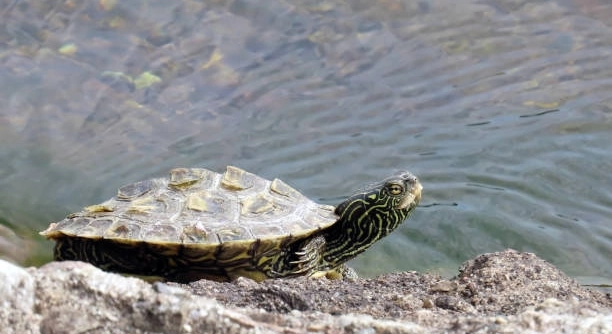
Map turtles are known to bask for hours near UVB light, often seeming to be drawn to its warmth. This behavior is common, but it has an important purpose related to their health and well-being.
The primary reason map turtles spend long periods near UVB light is to absorb ultraviolet rays, which are essential for producing Vitamin D3. This vitamin helps them metabolize calcium, supporting strong bones and overall health.
Understanding why map turtles seek UVB light can help you care for your pet better and ensure they thrive. Keep reading to learn more about how this behavior impacts their health.
Why UVB Light Is Crucial for Map Turtles
UVB light is more than just a heat source for map turtles. It plays a vital role in their overall health, especially when it comes to calcium absorption. Without adequate exposure to UVB light, turtles can suffer from metabolic bone disease, a condition that weakens their bones and causes deformities. In the wild, turtles bask in the sun to soak up these important rays, but in captivity, UVB lamps are necessary to provide a similar benefit.
UVB light stimulates the production of Vitamin D3 in turtles, which is crucial for their ability to process calcium. This helps them grow strong shells and bones, ensuring they can move freely and stay active. When map turtles don’t get enough UVB, it can lead to health problems that affect their quality of life.
The amount of UVB light a turtle needs depends on factors such as age, diet, and habitat. It is recommended to provide a UVB light source that mimics natural sunlight, ensuring your turtle can absorb the needed rays. Regular exposure to the UVB lamp, which should be replaced every 6-12 months, is essential for their well-being. You should also monitor their basking time to ensure they’re getting enough UVB without overexposing them to the light.
The Best Setup for Your Map Turtle’s UVB Needs
Having the right UVB setup is crucial to your turtle’s health. A good UVB light will mimic the natural sunlight found in their natural habitat.
Setting up a proper UVB lamp requires a few key steps. First, choose a quality UVB bulb that is designed for reptiles and positioned properly above the basking area. Make sure it’s at the correct distance—too far away and your turtle won’t get enough rays; too close and it might cause burns.
Additionally, remember that the UVB rays weaken with distance, so the lamp should be placed within 10-12 inches of where your turtle typically basks. These lamps should be on for about 10-12 hours a day to simulate natural day and night cycles. Be sure to replace your UVB bulbs every 6-12 months, as their effectiveness diminishes over time. You should also provide other sources of heat for your turtle to regulate its body temperature, creating a comfortable basking environment. This combination of light and warmth is key to your turtle’s vitality and happiness.
How UVB Light Affects Map Turtle Behavior
When map turtles receive adequate UVB light, they’re more likely to be active and alert. UVB light influences their circadian rhythms, helping them stay active during daylight hours. A well-lit basking spot encourages them to come out of the water, rest, and warm up, which is crucial for their digestion and metabolism.
Map turtles are naturally drawn to bask in the sun for extended periods, so providing the right UVB light encourages healthy behavior. If they aren’t getting enough UVB, they may spend less time basking or even show signs of lethargy. Their natural instincts are to soak up the rays for warmth and energy, but without proper UVB light, they can become sluggish. Over time, poor UVB exposure can lead to reduced activity, affecting their ability to hunt and engage with their environment.
This is why it’s essential to monitor your turtle’s UVB exposure. Ensure they have a proper basking spot that encourages them to get out of the water and absorb the light. Without this, their activity levels could decrease, leading to further health issues.
Recognizing Signs of UVB Deficiency
UVB deficiency can lead to noticeable changes in your map turtle’s health. One of the first signs is a lack of energy or a refusal to bask. When a turtle is not getting enough UVB light, it may show little interest in basking under the lamp, even if the temperature is right. This can be an early warning sign.
If left unaddressed, UVB deficiency can cause bone deformities, shell softening, and difficulty moving. You may notice the turtle struggling to swim or walking with an unsteady gait. These symptoms can often be traced back to a lack of Vitamin D3, which is essential for calcium absorption. Without proper calcium levels, the turtle’s bones will become weak, which affects its overall mobility. This can lead to irreversible damage if not corrected.
Make sure to check your map turtle regularly for signs of UVB deficiency. If you notice any unusual behavior or physical changes, it’s crucial to assess their UVB lighting setup and adjust it as needed. Keeping their environment stable will ensure they stay healthy and active.
How to Adjust UVB Light for Different Seasons
During the winter months, it’s easy to overlook UVB exposure for your map turtle. As the days get shorter and temperatures drop, you may notice your turtle spending more time in the water and less time basking.
To help your map turtle maintain proper UVB exposure in colder months, consider extending the hours the light is on. This can mimic the longer daylight hours that occur in warmer months. Keep the basking area heated and ensure the UVB bulb is still effective. Replace it if needed, as UVB bulbs lose strength over time.
Increasing basking hours and keeping the environment stable during the winter will help your turtle maintain a healthy Vitamin D3 production. It’s important to adapt to the changing seasons to ensure your turtle’s well-being. Without proper light, their immune system can weaken, and their bones may become brittle. A little adjustment goes a long way in keeping your turtle happy and healthy.
The Importance of Regular UVB Bulb Replacement
UVB bulbs lose their effectiveness over time, even if they’re still emitting visible light. Most UVB bulbs need to be replaced every 6-12 months to ensure they’re providing the right amount of UVB rays. If your map turtle’s bulb is too old, it won’t provide the necessary light for Vitamin D3 production.
Regular replacement is crucial for your turtle’s health. Aging UVB bulbs will no longer support calcium metabolism properly, leading to potential health problems. To avoid any risks, set a reminder to change your UVB bulbs within the recommended time frame. This ensures your turtle always gets the proper light exposure.
Ensuring the Right Distance for UVB Exposure
The distance between the UVB bulb and your map turtle is important for proper exposure. If the bulb is too far, your turtle won’t get the required rays, and if it’s too close, it could cause burns. Ensure the bulb is placed about 10-12 inches from the basking spot for optimal results.
FAQ
Why is UVB light so important for map turtles?
UVB light is crucial for map turtles because it helps them produce Vitamin D3, which is essential for calcium absorption. Without UVB light, turtles can suffer from metabolic bone disease, resulting in weak bones and shells. UVB exposure supports their overall health by allowing them to process calcium properly, promoting strong, healthy growth. This is especially important in captivity, where they can’t naturally bask in the sun like they would in the wild.
How much UVB light does a map turtle need?
Map turtles typically need 10-12 hours of UVB light per day to ensure they receive enough Vitamin D3. It’s important to have a UVB light source that mimics natural sunlight, as the right amount of light encourages proper bone development and metabolism. However, the distance from the bulb to the turtle also plays a role, as it impacts how much UVB light they actually receive.
Can map turtles get too much UVB light?
Yes, map turtles can be overexposed to UVB light. If they spend too much time under the UVB lamp or if the lamp is too close, they can suffer from burns or skin damage. It’s important to keep the light at the recommended distance and monitor their basking time to avoid overexposure. A well-balanced exposure schedule ensures their health without causing harm.
How do I know if my UVB bulb is still working?
UVB bulbs lose their effectiveness over time, even if they still produce visible light. To know if the bulb is still effective, you can use a UVB light meter to measure the output. Ideally, the bulb should be replaced every 6-12 months, depending on the manufacturer’s recommendations. If you notice changes in your turtle’s behavior, such as reduced basking time or lethargy, it might indicate that the bulb needs replacing.
What should I do if my turtle stops basking?
If your map turtle stops basking, it could be a sign of UVB deficiency or other environmental issues. Check the UVB light setup to make sure the bulb is still working and properly placed. Also, make sure the basking area is at the correct temperature. A drop in basking behavior may also signal that your turtle is not feeling well, so it’s a good idea to monitor for other signs of illness, such as lack of appetite or abnormal swimming.
Can map turtles survive without UVB light?
Map turtles can survive without UVB light for short periods, but long-term absence of UVB light can lead to severe health problems, including metabolic bone disease. While they can manage for a short time, they won’t thrive without proper UVB exposure. For healthy growth and development, it’s essential to provide UVB light consistently, especially in captivity.
Can I use a regular light bulb instead of a UVB light for my turtle?
No, regular light bulbs do not provide the necessary UVB rays that map turtles need. UVB light is a specific type of ultraviolet light that is crucial for Vitamin D3 production. While regular light bulbs provide visible light, they don’t offer the UVB spectrum necessary for your turtle’s health. You should always use a UVB-specific bulb designed for reptiles to meet your turtle’s needs.
How do I choose the right UVB bulb for my turtle?
When choosing a UVB bulb for your map turtle, consider factors like the bulb’s output strength, the type of bulb (compact, fluorescent, or mercury vapor), and the correct wattage for your tank size. It’s important to choose a bulb designed for reptiles to ensure it emits the proper UVB rays. Some UVB bulbs cover a larger area, so make sure it’s positioned correctly to give your turtle enough exposure.
Can my map turtle get enough UVB light through glass or plastic?
No, UVB light cannot pass through glass or plastic effectively. If your turtle is kept in an enclosure with glass or plastic walls, you need to ensure that the UVB light is still reaching them directly. If you are using a glass tank, make sure the UVB bulb is close enough to the turtle so the rays can penetrate through the glass. Some plastic materials may block UVB rays, so it’s better to avoid them or make adjustments to the setup.
How do I make sure my turtle gets enough UVB during the winter?
During the winter months, when natural sunlight is less available, you may need to increase the hours of artificial UVB light to compensate. Map turtles still need 10-12 hours of UVB light every day, regardless of the season. You can use timers to ensure the light is on for the right amount of time. Also, check that the basking area is warm enough for your turtle to get the full benefits of the UVB light.
What are the risks of not providing enough UVB light?
Without proper UVB exposure, map turtles are at risk of developing metabolic bone disease, which can cause weak bones, soft shells, and difficulty moving. They may also experience poor growth and a weakened immune system. Over time, lack of UVB light can seriously affect their health and lead to permanent deformities if not corrected.
Final Thoughts
Providing UVB light for your map turtle is essential for their health. It helps them produce Vitamin D3, which is necessary for absorbing calcium and maintaining strong bones and shells. Without adequate UVB exposure, your turtle can develop serious health issues, such as metabolic bone disease. This can result in weak bones, soft shells, and trouble moving around. If you want your map turtle to thrive, make sure they have consistent access to UVB light.
Setting up the right environment for your turtle involves more than just placing a UVB light. The correct distance from the lamp, the proper wattage, and the ideal placement are all crucial for ensuring your turtle gets enough exposure. You should also replace UVB bulbs regularly, as their effectiveness decreases over time. Most UVB bulbs need to be replaced every 6 to 12 months, so it’s a good idea to keep track of when they were last changed. Keeping the light at the right distance from the basking spot is just as important—too far and your turtle won’t get enough UVB, too close and it could cause burns.
In addition to UVB light, make sure the overall temperature in the tank is comfortable for your map turtle. They need both heat and UVB to function properly. A basking area should be warm enough for them to regulate their body temperature, and a cooler area in the water will allow them to cool down when needed. Ensuring the right balance of heat, light, and humidity will help your turtle feel comfortable and stay healthy. If you notice any signs of illness, such as a lack of energy or changes in their behavior, it could be a sign that their UVB light setup needs attention. Regularly checking your turtle’s environment is the best way to keep them in optimal health.

Hello,
If you enjoy the content that we create, please consider saying a "Thank You!" by leaving a tip.
Every little bit helps us continue crafting quality advice that supports the health, happiness, and well-being of pets around the world, for pets of all shapes, sizes, and species.
We really appreciate the kindness and support that you show us!