
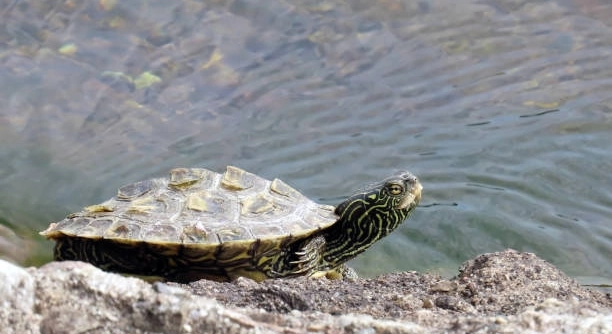
Turtles are fascinating creatures, and caring for them requires careful attention to their environment, especially their tank. One common issue many turtle owners face is foamy water in their tank, which can be worrying.
The presence of foam in your turtle’s tank water is often caused by excess organic matter such as waste, uneaten food, or bacteria. This accumulation can create bubbles that form a foamy layer on the surface, leading to a cloudy tank.
Addressing this issue is important to ensure a healthy environment for your map turtle. We will explore simple steps that can help you resolve the foam problem and maintain a clean tank.
Why Is There Foam in My Turtle’s Tank?
Foamy water in your turtle’s tank is often the result of a buildup of waste or organic material. When food is left uneaten, it begins to decompose, creating a perfect environment for bacteria. These bacteria produce gases, and when they mix with debris in the water, foam forms. In addition, your turtle’s waste can also cause foam, especially if there isn’t proper filtration. If the tank isn’t cleaned often enough or if the filter is not functioning correctly, foam will appear. The foam may look alarming, but it’s typically an indication that the tank needs a thorough cleaning and better maintenance.
The foam is usually harmless but can affect your turtle’s health if not addressed. Keeping the tank clean and ensuring the water is properly filtered will reduce foam and promote a healthier environment for your turtle.
By regularly cleaning the tank, removing uneaten food, and replacing the water, you can prevent foam buildup. Ensure your filtration system is running properly and is strong enough to handle your turtle’s waste. Foam can also be reduced by keeping the water’s pH and temperature stable. Additionally, avoid overfeeding your turtle, as excess food contributes to foam. This also helps with water clarity, ensuring a healthier environment for your map turtle to thrive in.
How to Fix the Foamy Tank Water
One way to quickly address the foam issue is by doing a water change.
Start by removing about 25-50% of the water in your tank. This reduces the concentration of bacteria, waste, and other materials causing the foam. Make sure to clean the tank decorations, substrate, and any equipment like the filter. A good scrub of the tank walls will help prevent foam from forming.
To prevent future foam, make sure you are feeding your turtle in moderation. Overfeeding causes excess food to decay and contribute to foam. Regular maintenance, such as cleaning the tank weekly and ensuring the filter is working well, is key to maintaining water quality. You may also want to consider a stronger filter if your turtle’s waste is overwhelming the current one. If the water remains foamy despite these efforts, it may be helpful to check the water’s chemical balance to ensure it’s at proper levels. Adjusting the temperature and pH can also help keep foam under control, providing a more stable and clean environment for your turtle.
How to Prevent Foam from Reappearing
To prevent foam from forming again, keep your tank clean and the water quality high. Perform partial water changes regularly and ensure that any leftover food is removed promptly. Proper filtration is also key to maintaining a clean environment.
Install a high-quality filter that is suitable for your tank size. It will help remove excess waste and bacteria from the water. Make sure the filter is running properly and clean it regularly to ensure it works efficiently. In addition, try to reduce the amount of waste in the tank by feeding your turtle less food. Overfeeding can lead to more waste, which contributes to foam.
Maintaining a healthy water temperature and pH level will also help prevent foam. If the temperature is too high, it can speed up the breakdown of organic matter, leading to foam. Likewise, an unbalanced pH can create an environment where bacteria thrive. Testing the water every few weeks will help you stay on top of any changes. If you’re uncertain about the ideal pH and temperature for your specific species, doing a little research will guide you in providing the best conditions for your turtle.
Importance of a Good Filter System
A good filter system is essential for maintaining clear water and preventing foam. Without it, waste and debris will accumulate quickly, leading to foamy water and unhealthy tank conditions. Make sure the filter you use is appropriate for the size of your tank.
In addition to helping with foam prevention, a filter also removes excess nutrients and toxins from the water that could harm your turtle. Not all filters are created equal, so it’s important to choose one with enough power to handle the waste load. Some filters can be adjusted to different flow rates, allowing you to customize the filtration to your turtle’s needs. Regularly clean and replace filter media to keep it functioning properly. If you notice foam reappearing despite having a filter, it might be time to upgrade to one with stronger filtration. A well-maintained filter ensures better water quality, giving your turtle a more comfortable and healthy habitat.
Overfeeding and Its Impact on Foam
Overfeeding your map turtle can lead to excess food breaking down in the tank, contributing to foam. It’s important to feed your turtle only the amount they can consume in a short time to avoid leftover food.
Leftover food rots and creates a breeding ground for bacteria, leading to the production of gases that form foam. This not only causes foam but can also lead to poor water quality. Make sure to remove any uneaten food after feeding your turtle. You can also consider feeding smaller amounts to reduce waste, ensuring the tank stays cleaner and foam doesn’t appear.
Tank Cleaning Routine
A regular tank cleaning routine is essential for controlling foam. Scrub the walls, remove debris, and change the water weekly to prevent buildup.
Don’t forget to clean the decorations, filter, and substrate. Regular maintenance stops organic material from accumulating and keeps bacteria under control. This will reduce the chances of foam forming and help your turtle stay in a healthier environment. A clean tank promotes better water quality, which is key to preventing the foam issue.
FAQ
Why is my tank water foamy, and should I be worried?
Foamy water is usually caused by a buildup of organic matter, such as uneaten food or waste. When these materials decompose, they can create bubbles, leading to foam. While the foam itself isn’t always harmful, it is a sign that your tank needs cleaning. Over time, this foam can impact your turtle’s health if it’s not addressed. It’s best to clean your tank, remove any leftover food, and maintain the filter to avoid recurring foam problems.
Can foam in the water hurt my map turtle?
Foam itself is not likely to harm your turtle, but it can indicate poor water quality. If foam is left unchecked, it may lead to increased bacteria and toxins in the water, which can be harmful to your turtle. It’s important to keep the tank clean and ensure proper filtration to avoid any potential health risks. If foam persists, consider adjusting your water-changing schedule or upgrading your filter.
How can I stop foam from forming in my turtle’s tank?
To prevent foam, ensure your tank is cleaned regularly, with any uneaten food removed promptly. Check your filter to make sure it’s working properly and is strong enough for your tank size. Consider feeding your turtle smaller amounts of food to reduce waste. If foam persists despite these steps, test the water’s pH and temperature to make sure they’re at optimal levels for your turtle.
Is foam a sign that my filter isn’t working properly?
Foam can sometimes indicate that your filter is struggling to keep up with the waste load in the tank. If foam appears despite regular tank cleanings, it’s a good idea to check your filter. Ensure it’s the right size for your tank and clean it regularly. If the foam continues, upgrading to a more powerful filter might be necessary to improve water quality and prevent foam buildup.
Should I change the water more frequently to prevent foam?
Yes, more frequent water changes can help reduce foam, especially if you notice it appearing often. By removing about 25-50% of the water weekly and replacing it with fresh, clean water, you reduce the accumulation of waste and bacteria that causes foam. Make sure to scrub the tank walls and clean the filter during each water change to improve overall water quality.
How does overfeeding affect foam formation in my tank?
Overfeeding is one of the most common causes of foam in a turtle tank. When your turtle doesn’t eat all of the food, it breaks down and decomposes, contributing to waste and foam production. The best way to prevent this is to feed your turtle only the amount they can eat in a short period. You can also feed smaller portions more often to keep the tank cleaner and reduce waste buildup.
Can I use any filter for my turtle’s tank?
Not all filters are suitable for a turtle tank. Since turtles produce more waste than fish, you’ll need a filter that’s designed to handle that. A filter with a higher flow rate or a canister filter is typically recommended for turtles. Make sure the filter is powerful enough for your tank’s size, and clean it regularly to prevent foam and maintain healthy water.
What is the best way to clean my turtle tank to reduce foam?
Start by removing any uneaten food and waste from the tank. Use a gravel vacuum to clean the substrate, scrub the tank walls to remove algae buildup, and clean the decorations. Change at least 25-50% of the water weekly to keep the environment fresh. Don’t forget to clean the filter as well, ensuring it’s free of debris and functioning properly.
Why is the water in my turtle tank still foamy even after cleaning?
If foam continues to appear after cleaning, it could be due to a few factors. Your filter might not be strong enough for your turtle’s waste load, or it might need to be cleaned or replaced. Overfeeding could also be a problem, as uneaten food decomposes and causes foam. Check your water’s pH and temperature, as imbalances can also contribute to foam. By addressing these factors, you can help reduce foam buildup in the future.
Does the temperature of the water affect foam in my tank?
Yes, water temperature can affect foam formation. If the water is too warm, it can speed up the breakdown of organic material, leading to more foam. Turtles generally do well in temperatures between 75-80°F (24-27°C), so maintaining a stable temperature within this range is crucial. Make sure the water is not too hot or too cold to prevent foam and promote a healthier environment for your turtle.
Final Thoughts
Dealing with foamy water in your turtle tank can feel frustrating, but it’s often a sign that maintenance is needed. Foam typically forms due to a buildup of organic material like waste or uneaten food, and when left unchecked, it can lead to poor water quality. The good news is that this issue is manageable with regular cleaning and proper care. It’s important to focus on maintaining the right balance in your tank by removing leftover food, ensuring your filter is functioning well, and keeping an eye on your turtle’s feeding habits. By making small adjustments, you can greatly reduce the chances of foam forming in the future.
A good cleaning routine is essential in managing foam. Scrubbing the tank, removing debris, and changing the water regularly are simple yet effective ways to keep your turtle’s environment clean and healthy. The key is consistency—turtles produce more waste than fish, so their tanks often need more frequent cleaning. It’s also crucial to monitor the water quality by checking the pH and temperature to make sure everything stays in balance. Additionally, overfeeding is something many turtle owners do unintentionally, so be mindful of how much you’re feeding. Overfeeding leads to excess waste, which breaks down and creates foam. Feeding your turtle just the right amount can help keep your tank cleaner for longer.
If foam continues to be an issue despite following these guidelines, it could be worth upgrading your filter. A stronger filter may be needed to handle the amount of waste your turtle produces. It’s also helpful to choose a filter that is suitable for the size of your tank. A good filter not only helps with foam but also ensures the water stays clear, preventing the buildup of harmful bacteria and toxins. Regularly cleaning the filter is just as important as cleaning the tank itself. With the right care and attention, you’ll be able to maintain a healthy and clean environment for your map turtle to thrive.

Hello,
If you enjoy the content that we create, please consider saying a "Thank You!" by leaving a tip.
Every little bit helps us continue crafting quality advice that supports the health, happiness, and well-being of pets around the world, for pets of all shapes, sizes, and species.
We really appreciate the kindness and support that you show us!