
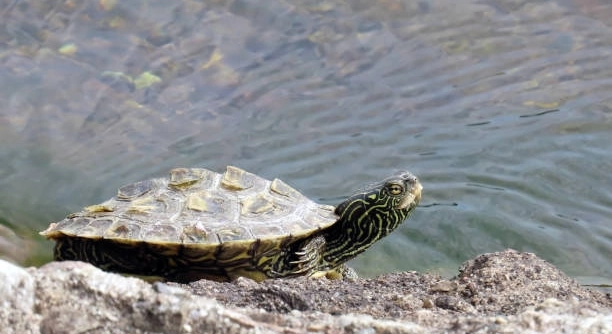
Map turtles are fascinating creatures, known for their unique behaviors and distinctive appearance. One of the most intriguing aspects of their actions is the rapid flicking of their tails. This behavior often sparks curiosity among observers.
The rapid tail flicking of map turtles is a behavior linked to communication and defense. It is a response to stress, potential threats, or an attempt to dislodge parasites. This tail movement serves as both a warning and a way to protect themselves.
Understanding why map turtles flick their tails is important for appreciating their behavioral patterns. It sheds light on how they interact with their environment and respond to stressors.
Why Do Map Turtles Flick Their Tails?
Map turtles are not just striking for their markings but also for their behavior. Rapid tail flicking is one such behavior that catches attention. This tail movement is not random; it serves specific purposes in the turtle’s life. For example, when feeling threatened, map turtles will flick their tails rapidly as a way to intimidate potential predators. This rapid movement is a defensive mechanism, signaling that the turtle is aware of the danger and ready to react. In some cases, it could also be a signal to other turtles in the area. The behavior can be seen when the turtle is startled or when it perceives something as a threat to its safety.
At first glance, this tail flicking may seem like an odd or pointless behavior. However, it plays an important role in the survival of these turtles, allowing them to communicate with each other and deter predators from getting too close.
This tail flicking can also be an indicator of stress. When a turtle is placed in an unfamiliar or uncomfortable environment, it may exhibit this behavior to express distress. Stress can come from changes in water temperature, habitat disruption, or even handling by humans. If the tail flicking becomes more frequent or intense, it might suggest that the turtle is feeling particularly anxious.
Other Reasons for Tail Flicking
Besides self-defense and stress, there are other reasons map turtles flick their tails. In some cases, it could be part of a courtship ritual. During mating season, female map turtles may flick their tails to attract males or communicate their readiness. This tail flicking is often observed when the turtles are in close proximity, signaling that they are open to interaction. The tail may act as a visual cue to get the attention of other turtles, especially in murky waters where visual signals are more effective than vocalizations.
In the case of young turtles, the behavior could also be tied to play. While it may not serve the same survival function as it does for adults, young turtles may flick their tails when exploring their environment or engaging with siblings. As they grow older, they may refine this behavior to serve more functional purposes. This playful flicking helps young turtles practice important movements they may need later in life.
Understanding the Behavior’s Impact
The tail flicking of map turtles is a behavior that not only supports their survival but also enhances communication within their species. It’s fascinating how such a simple action can carry so much meaning. Whether it’s defending against a threat, signaling to others, or expressing stress, the tail flick is an integral part of the turtle’s interactions with its environment and fellow turtles. Understanding this behavior sheds light on the complexity of their responses to various situations, allowing us to better care for and appreciate these creatures.
Tail Flicking as a Warning Signal
Map turtles rely on their tail flicking to send clear warnings to potential threats. When they sense danger, such as the presence of a predator, they quickly flick their tails as a defense mechanism. This action serves as a warning signal to other turtles as well, letting them know to be on alert.
The tail flick can often be the first sign that a map turtle is aware of a threat nearby. It is especially noticeable when the turtle is in a vulnerable position or near the shore. This defensive behavior is instinctive and occurs rapidly, which helps to avoid capture. In their natural habitat, where predators can be a real threat, this behavior is vital for the turtle’s survival. It enables them to react swiftly and avoid potential harm.
In addition to predators, other environmental dangers can trigger the tail flick. For example, map turtles might flick their tails when encountering unfamiliar or unexpected stimuli in their surroundings. These rapid movements ensure that they can quickly adjust their behavior to avoid harm. It is a way of maintaining alertness in their environment, ensuring they are always prepared for any threat.
Tail Flicking in Social Interactions
Map turtles also use their tail flicking behavior to communicate with other turtles. During mating season, for instance, females might flick their tails to attract males. This behavior is an effective way for them to signal their availability and readiness to mate. The tail flick serves as a clear signal, helping males to identify potential mates.
In addition to attracting mates, tail flicking can also play a role in social hierarchy among map turtles. In environments where multiple turtles coexist, this behavior can indicate dominance or submission. Turtles may flick their tails in response to the presence of other turtles, signaling their position within the group. This social behavior is especially noticeable in areas where resources are limited, and competition for space is high.
Although tail flicking is primarily a defensive and mating behavior, it can also serve as an indication of the turtle’s overall mood. For instance, a turtle may flick its tail more frequently if it is feeling agitated or threatened by another turtle’s presence.
Tail Flicking and Environmental Stressors
Map turtles can become stressed in environments that are too warm or too cold. Environmental factors such as water temperature, pollution, and changes in their habitat can trigger tail flicking. When these turtles feel discomfort from these stressors, they use tail flicking as a way to release built-up tension.
Tail flicking as a result of environmental stress is common when turtles are moved to new environments or when water conditions change suddenly. If the water temperature fluctuates too quickly, map turtles may exhibit more frequent tail flicks, as their bodies try to adapt to the changes. This is often a sign that they are experiencing discomfort.
The Role of Tail Flicking in Parasite Removal
Map turtles use tail flicking as a method of removing parasites from their bodies. This rapid movement helps to shake off or dislodge any external parasites, such as leeches or small insects, that may attach themselves to the turtle’s shell or skin. By flicking their tails, they can dislodge these parasites effectively.
Parasite removal is essential for the overall health of the map turtle. These parasites can cause irritation, infection, or even harm if left untreated. By performing the tail flick, the turtle actively helps itself maintain a clean and healthy body. This behavior is an important survival tool, ensuring that parasites do not negatively affect the turtle’s health.
Tail Flicking and Social Dominance
Tail flicking in map turtles can be a sign of social dominance. Turtles that feel more confident or dominant may flick their tails more aggressively, especially in the presence of other turtles. This signals their control over the space or situation, encouraging other turtles to stay away.
This behavior can also be seen when one turtle challenges another for space or resources. The tail flick acts as a display of strength and dominance, asserting the turtle’s position within its social hierarchy. Such interactions help maintain order among turtles, particularly in areas where competition for space is common.
FAQ
Why do map turtles flick their tails so rapidly?
Map turtles flick their tails rapidly as a defensive response to potential threats. When they feel threatened by predators or other dangers in their environment, they use tail flicking as a way to startle or intimidate. This rapid movement can also signal to other turtles that there is a risk present, helping them stay alert. It’s a vital behavior that helps map turtles protect themselves from harm. Additionally, stress from environmental factors can cause this tail flicking behavior.
Is tail flicking a sign of aggression in map turtles?
While tail flicking can be a sign of aggression in some cases, it often serves as a defensive response rather than an outright display of aggression. When map turtles flick their tails, it could be due to feeling threatened, stressed, or even encountering another turtle in close proximity. In social settings, this behavior may indicate territoriality or dominance, especially during interactions with other turtles. However, it’s not always aggressive; it’s also used to communicate discomfort or to ward off potential threats.
Can map turtles flick their tails when they are happy?
Tail flicking is not typically associated with happiness in map turtles. This behavior is more commonly a reaction to stress, fear, or an environmental change. While map turtles might flick their tails as part of their communication during mating or social interactions, it’s not a sign of contentment. Instead, it indicates that the turtle is reacting to something in its environment. Happiness in turtles is generally expressed through calm behaviors, such as basking in the sun or exploring their habitat peacefully.
Do map turtles flick their tails more in captivity than in the wild?
Map turtles may flick their tails more frequently in captivity due to the stress of being in an unfamiliar or confined environment. Captivity often involves changes in water temperature, limited space, and exposure to humans or other animals, which can make the turtle feel more vulnerable. This increase in stress can trigger tail flicking as a way of coping. In the wild, turtles have more control over their environment and are less likely to experience the same level of stress that can lead to excessive tail flicking.
How can I reduce tail flicking in my pet map turtle?
To reduce tail flicking in a pet map turtle, it’s important to create a comfortable and stress-free environment. This includes maintaining proper water temperature and cleanliness, ensuring they have enough space to move around, and providing appropriate hiding spots to feel safe. Avoid sudden changes in their environment, as these can cause anxiety. Additionally, limiting excessive handling and providing a consistent feeding schedule can help reduce stress. Monitoring your turtle’s behavior closely will also allow you to identify and address any potential stressors early on.
Can tail flicking indicate a health issue in map turtles?
In some cases, tail flicking can be a sign that a map turtle is dealing with a health issue, such as an infection or the presence of parasites. Turtles may flick their tails as a way to remove parasites or to alleviate irritation caused by wounds or infections. If the tail flicking is persistent and accompanied by other symptoms, like lethargy or changes in eating habits, it’s essential to have the turtle checked by a vet to rule out any underlying health concerns. Regular health check-ups can help catch problems early.
Is tail flicking normal for all map turtles?
Yes, tail flicking is a normal behavior for all map turtles. It is part of their instinctive responses to various stimuli, such as potential threats, environmental stress, or social interactions. However, the frequency and intensity of tail flicking may vary depending on the individual turtle’s personality and its environment. Some turtles may flick their tails more often, while others may do so less frequently. Understanding your turtle’s behavior and environment is key to interpreting why it flicks its tail.
Can map turtles flick their tails when they are mating?
Yes, tail flicking can occur during mating behavior. Female map turtles might flick their tails to attract males during the breeding season. In this context, the tail flick acts as a signal to the males, indicating that the female is ready for mating. This behavior helps the males identify potential mates and engage in courtship. However, tail flicking in mating scenarios is generally more subtle compared to the rapid tail flicking seen in response to threats.
What does tail flicking mean for map turtles in the wild?
In the wild, tail flicking serves several functions. It’s primarily a defensive behavior used to deter predators or warn other turtles of a potential threat. It can also be a social cue, helping map turtles communicate with one another, especially during mating seasons or when defending territory. Tail flicking in the wild may also help dislodge parasites or debris, ensuring that the turtle maintains its health and safety. Overall, it’s a crucial part of their survival toolkit in natural habitats.
How does tail flicking affect the health of map turtles?
Tail flicking itself doesn’t generally affect the health of map turtles unless it becomes excessive or a response to persistent stress or injury. If a turtle is flicking its tail because of an underlying health issue like parasites or infection, the behavior may be a sign that it needs medical attention. Otherwise, tail flicking is a normal behavior that helps map turtles stay alert and safe in their environment. Ensuring that their habitat is clean and free of stressors will help them maintain their overall well-being.
Final Thoughts
Map turtles’ tail flicking is a natural behavior that serves multiple purposes. It’s a defense mechanism, a social signal, and a way for turtles to stay healthy. When these turtles flick their tails, they are often reacting to stress, threats, or discomfort. Whether it’s a predator in the area, a change in the environment, or simply a way to remove parasites, tail flicking is essential to the turtle’s survival. In captivity, it can indicate stress from environmental factors like water temperature or space limitations. Recognizing the reasons behind tail flicking can help ensure that map turtles live in environments where they feel safe and comfortable.
For pet owners, understanding tail flicking is crucial in providing proper care for map turtles. Tail flicking should not be seen as a problem if it occurs occasionally, but frequent or excessive flicking could be a sign of stress or health issues. Ensuring the turtle has a clean, well-maintained habitat, with appropriate water temperatures and enough space, can reduce this behavior. It is important to pay attention to any changes in behavior and seek veterinary advice if necessary. Map turtles should be observed for signs of injury, illness, or discomfort. Health problems that lead to frequent tail flicking must be addressed promptly.
In the wild, tail flicking serves its purpose in a more natural setting, helping turtles avoid predators and communicate with each other. The behavior is an essential part of their instinct and survival mechanisms. Understanding this helps provide a better perspective on the needs and behaviors of these creatures. While tail flicking is a normal and often harmless activity, it is a reminder of how sensitive and aware map turtles are of their surroundings. Whether in the wild or in captivity, ensuring that map turtles live in a safe and comfortable environment is key to their well-being.

Hello,
If you enjoy the content that we create, please consider saying a "Thank You!" by leaving a tip.
Every little bit helps us continue crafting quality advice that supports the health, happiness, and well-being of pets around the world, for pets of all shapes, sizes, and species.
We really appreciate the kindness and support that you show us!