
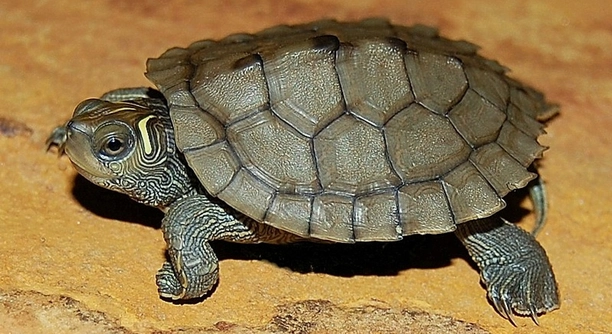
Are you considering adding shrimp to your map turtle’s tank but unsure if they can coexist peacefully? Map turtles are known for their varied diets and active behavior, which can raise concerns about the safety of smaller tank mates like shrimp.
Map turtles and shrimp can coexist under specific conditions, but compatibility depends on factors such as the turtle’s age, size, and diet. While some turtles may ignore shrimp, others may see them as food, making careful monitoring and setup essential.
Understanding the risks and necessary precautions can help create a more balanced and harmonious tank environment. Proper planning ensures both species have the best chance of thriving together.
Understanding Map Turtle Behavior
Map turtles are active swimmers with a natural curiosity, often investigating anything in their tank. Their diet consists of aquatic plants, insects, and small fish, meaning shrimp could be seen as either tank mates or potential food. While younger turtles may ignore shrimp, adults with a stronger predatory instinct are more likely to hunt them. The tank environment also plays a significant role in their interactions. A well-structured habitat with hiding spots can increase shrimp survival, but there is no guarantee of complete safety. Every turtle has unique behaviors, making careful observation essential.
Shrimp are delicate and vulnerable, making them an easy target if housed with a turtle that views them as prey. If the turtle has been fed a protein-rich diet and is well-fed, the likelihood of predation may decrease. However, instinct can override feeding habits, leading to unpredictable interactions.
Choosing shrimp species that are faster and more capable of hiding can improve their chances of survival. Ghost shrimp and Amano shrimp are commonly used in turtle tanks since they are less noticeable and can escape quickly. A densely planted tank with plenty of hiding spots allows shrimp to avoid direct encounters, increasing the possibility of a peaceful setup.
Creating a Safe Tank Setup
A proper tank setup can reduce the risk of shrimp becoming food. A heavily planted environment with rocks, driftwood, and caves gives shrimp places to hide. Floating plants can also help by breaking the line of sight between the turtle and shrimp, reducing aggressive encounters.
Tank size is another important factor. A larger tank with ample space for both species helps prevent territorial disputes. Turtles that have been introduced to shrimp from a young age may be more tolerant of them. However, even with ideal conditions, there is always some level of risk.
Maintaining a well-balanced diet for the turtle reduces the chances of it hunting shrimp. Providing a mix of commercial turtle pellets, leafy greens, and occasional protein sources like freeze-dried insects can help satisfy its appetite. Feeding turtles in a separate container outside the main tank also limits their tendency to associate shrimp with food. Consistent monitoring is necessary to ensure both species remain unharmed.
Choosing the Right Shrimp Species
Some shrimp species have better survival chances in a tank with map turtles. Ghost shrimp and Amano shrimp are often the best options because they are fast and skilled at hiding. Brightly colored shrimp, like cherry shrimp, are more noticeable and likely to be eaten quickly.
Amano shrimp are larger and more difficult for turtles to catch, making them a suitable choice. Ghost shrimp are inexpensive and often used as feeders, but some can survive if given enough hiding spaces. Bamboo shrimp, which are filter feeders, are less likely to compete with turtles for food but may struggle in a high-activity tank. Avoid slow-moving species, as they will be easy prey.
Providing plenty of plants and decorations is essential when housing shrimp with turtles. A heavily planted environment with dense vegetation and driftwood increases shrimp survival rates. Rocks and caves offer additional protection, helping shrimp escape when needed.
Maintaining Water Quality
A clean and stable environment is essential for shrimp survival. Shrimp are sensitive to poor water conditions, and turtles produce a lot of waste, making regular maintenance necessary. A strong filtration system with biological and mechanical filtration helps keep the water clean and safe for both species.
Regular water changes prevent ammonia and nitrate buildup, which can harm shrimp. A weekly 25–30% water change is recommended, and using a water conditioner ensures harmful chemicals are removed. Testing water parameters frequently helps maintain a safe environment. Shrimp thrive in stable conditions, so sudden changes in temperature or pH should be avoided.
A separate feeding area can reduce excess waste in the tank. Overfeeding turtles can lead to uneaten food decaying, worsening water quality. Feeding turtles in a different container outside the main tank keeps the water cleaner, benefiting both the turtles and shrimp.
Feeding Strategies to Reduce Predation
Feeding turtles regularly with a well-balanced diet decreases the likelihood of them hunting shrimp. A mix of commercial pellets, leafy greens, and occasional protein sources like insects ensures they remain satisfied. Hungry turtles are more likely to see shrimp as food rather than tank mates.
Separating feeding areas can help reduce aggression toward shrimp. Offering food in a designated spot or feeding turtles in a separate container outside the main tank prevents them from associating shrimp with meals. This approach minimizes the risk of shrimp being mistaken for food during feeding times.
Observing Turtle and Shrimp Interactions
Watching how the turtle reacts to shrimp helps determine if they can coexist. Some turtles ignore shrimp entirely, while others may become aggressive over time. If the turtle constantly chases or bites at shrimp, separation may be necessary to prevent stress and injury.
Final Considerations
Not all map turtles will tolerate shrimp, even with ideal conditions. Each turtle has a unique personality, and some may always view shrimp as prey. Careful monitoring, a well-planned tank setup, and a proper diet improve the chances of peaceful cohabitation, but there is always a risk involved.
FAQ
Can map turtles live peacefully with shrimp?
Map turtles may or may not live peacefully with shrimp. While some turtles can coexist with shrimp if proper precautions are taken, others may view shrimp as food. Factors like the turtle’s age, size, diet, and temperament play a significant role. Younger turtles are less likely to target shrimp, while adults with strong predatory instincts are more inclined to hunt. Creating a well-planted tank with hiding spots increases the chances of shrimp survival, but careful observation is needed.
What species of shrimp are best for a map turtle tank?
Species like Amano shrimp and ghost shrimp are commonly recommended for a map turtle tank. Amano shrimp are larger and can usually escape a turtle’s reach, while ghost shrimp are smaller but more adept at hiding. Avoid shrimp species that are slow-moving or brightly colored, as these are more likely to be seen and eaten by the turtle. Bamboo shrimp, which are filter feeders, are also a good option if the tank setup supports their needs.
How can I reduce the risk of my turtle eating shrimp?
The best way to reduce the risk is by ensuring the turtle is well-fed with a balanced diet. A full turtle is less likely to hunt shrimp. Separating the feeding area for the turtle ensures that shrimp are not mistaken for food. Additionally, providing hiding spots such as plants, rocks, and driftwood helps shrimp stay out of sight. Choosing shrimp that are faster and better at escaping can also improve their chances of survival.
What is the ideal tank setup for turtles and shrimp to coexist?
A tank with plenty of hiding spots is essential. Use a heavily planted tank with dense vegetation and decorations like rocks and driftwood to give shrimp places to escape. A large tank with ample space reduces territorial disputes. Additionally, floating plants can help break the line of sight between the turtle and shrimp. Ensuring the tank is well-filtered and the water quality remains stable is also crucial.
Can I keep multiple shrimp species in a turtle tank?
Yes, it is possible to keep multiple shrimp species together in a tank with map turtles, but it requires careful planning. The shrimp should be compatible with each other and have the ability to hide. Mixing species like ghost shrimp and Amano shrimp can work, as they have different habits and survival tactics. However, avoid species that are territorial or aggressive toward each other. Always monitor their behavior to ensure peaceful coexistence.
What are the risks of keeping shrimp with map turtles?
The primary risk is predation. Even if the turtle is well-fed, its natural instincts may lead it to hunt the shrimp. Some turtles will ignore shrimp, while others may relentlessly chase them. Shrimp are also susceptible to stress from the presence of the turtle, which can weaken their immune system and make them more vulnerable. Injuries from being chased or bitten by the turtle can also occur.
Should I feed my turtle separately from the shrimp?
Yes, feeding your turtle separately from the shrimp is a good idea. This prevents the turtle from associating shrimp with food. Feeding turtles in a separate container or at a specific feeding station in the tank can help keep them focused on their meal rather than hunting shrimp. Overfeeding can also be avoided by controlling feeding times and portions, ensuring the turtle is full without leaving uneaten food that could attract shrimp.
How do I ensure my shrimp are safe in a tank with a turtle?
To ensure shrimp are safe, provide plenty of hiding spaces, such as rocks, plants, and caves. Use fast-moving shrimp species that can easily escape if the turtle shows interest. A tank with good filtration and regular water changes ensures the shrimp thrive and reduces stress. It’s also essential to monitor interactions between the shrimp and turtle, especially during feeding times. If the turtle becomes aggressive, the shrimp may need to be removed.
How often should I check on the shrimp in a tank with a turtle?
Frequent monitoring is important to ensure the shrimp are not being stressed or harmed. Check on them daily, especially during feeding times. If you notice the turtle chasing or biting at the shrimp, take action immediately by providing more hiding spots or considering separate tank setups. Shrimp should also be checked for signs of injury or stress, such as hiding more often or staying in one place for too long.
Can map turtles and shrimp share the same food?
Map turtles and shrimp may not share the same food. Turtles are omnivores, typically eating a mix of protein (such as insects, fish, and worms) and plants. Shrimp are scavengers and will consume algae, detritus, and small particles of uneaten food in the tank. While there may be some overlap, turtles and shrimp often require different types of food to meet their nutritional needs. It’s essential to ensure both have access to the appropriate food without interfering with each other.
Can shrimp clean the tank while living with a map turtle?
Yes, shrimp can help clean the tank by eating algae, leftover food, and detritus. However, the presence of a map turtle can limit their ability to do this job effectively. Turtles may disturb the tank’s bottom, stirring up debris that shrimp usually clean. Additionally, if the turtle is actively hunting shrimp, their cleaning role will be disrupted. Therefore, while shrimp can contribute to tank cleanliness, it’s essential to maintain regular tank cleaning and ensure the shrimp have the chance to do their job.
Final Thoughts
Map turtles can live with shrimp under the right conditions, but the success of their coexistence depends on various factors. First, the turtle’s temperament plays a significant role. Some map turtles are naturally more aggressive and may see shrimp as prey, while others may ignore them altogether. It is essential to understand the individual behavior of the turtle before introducing shrimp into the tank. Observing interactions between the two species will provide insight into how well they can coexist.
Providing a proper tank setup is crucial for ensuring the safety of both the turtles and shrimp. A well-planted tank with plenty of hiding spots is necessary for shrimp to find refuge from the turtles. Floating plants and decorations like rocks or driftwood help create a safe environment for the shrimp. Ensuring that the water quality remains stable is another factor to consider. Poor water conditions can stress both the turtles and shrimp, leading to health problems and increased aggression. A well-maintained tank promotes a peaceful atmosphere for all inhabitants.
While it is possible for map turtles and shrimp to live together, there is always a risk involved. Even with proper care, some turtles may still try to hunt the shrimp. In such cases, separating the two species may be the best option. If you notice signs of stress or aggression, it may be time to reconsider their living arrangement. Ultimately, the decision to keep map turtles and shrimp together should be based on careful observation and consideration of their needs. The goal is to create a balanced and safe environment for both species, ensuring their well-being.

Hello,
If you enjoy the content that we create, please consider saying a "Thank You!" by leaving a tip.
Every little bit helps us continue crafting quality advice that supports the health, happiness, and well-being of pets around the world, for pets of all shapes, sizes, and species.
We really appreciate the kindness and support that you show us!