
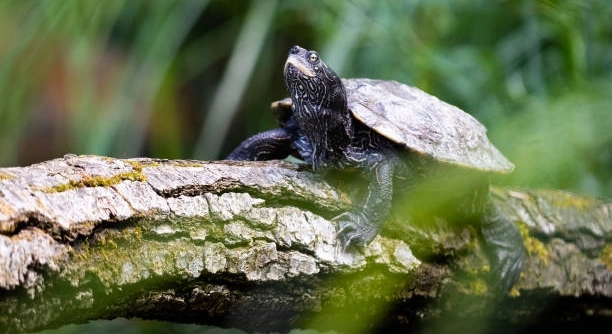
Baby map turtles primarily eat a diet of aquatic plants, insects, and small aquatic animals. Their diet should be varied to include commercial turtle pellets, vegetables, and occasional protein sources like small fish or shrimp for optimal nutrition.
Feeding your baby map turtle correctly ensures they grow strong and healthy. Providing the right balance of nutrients is essential to their development and longevity in a home environment.
Understanding Baby Map Turtle Diet
Baby map turtles thrive on a balanced diet of natural and commercial foods. In the wild, they consume aquatic vegetation, insects, and small aquatic creatures. In captivity, aim for variety by including commercial turtle pellets, leafy greens like kale or romaine, and occasional protein sources like small shrimp or feeder fish. This balance ensures proper growth, shell development, and energy levels. Always avoid feeding them toxic plants or overly processed foods, as these can harm their health. Fresh, clean water is equally important, as it supports their eating and digestion habits while keeping their environment healthy.
Feeding your baby map turtle regularly is crucial. Offer food once daily, preferably in the morning when they’re most active. Monitor their intake and adjust portions as needed to avoid overfeeding or leftover food.
A proper diet not only supports their health but also encourages natural behaviors like swimming and basking.
Feeding Schedule and Tips
Feed baby map turtles every day, offering an amount of food they can consume within 10-15 minutes. Regular feeding helps build a consistent routine.
Introduce a mix of vegetables and protein on alternating days. For example, one day offer leafy greens, and the next, include small insects or shrimp. This variety helps prevent nutritional deficiencies and keeps them interested in their meals. Always provide their food in water, as turtles eat more comfortably when submerged. Avoid overfeeding by removing any uneaten food after their meal to maintain water quality.
Paying attention to their diet and feeding habits will help your baby map turtle grow strong and stay healthy.
Nutritional Needs of Baby Map Turtles
Baby map turtles need a balanced diet to grow properly. They require a mix of protein, calcium, and vitamins to support their shells, bones, and overall health. Fresh, nutrient-rich foods are essential for their development.
Vegetables like collard greens, dandelion leaves, and finely chopped carrots are excellent additions to their diet. These provide essential vitamins and fiber. Commercial turtle pellets designed for hatchlings are another reliable option, as they are formulated to meet their nutritional needs. Occasionally, offer live or frozen proteins like mealworms or bloodworms to provide extra nutrients and encourage natural hunting instincts.
Ensure that their diet includes a source of calcium, such as cuttlebone, to support strong shells and bones. Sprinkle their food with a reptile-safe calcium supplement twice a week to ensure they get enough. A healthy, varied diet is key to their wellbeing.
Common Feeding Mistakes
Overfeeding is a frequent issue for baby map turtles. Too much food can lead to obesity and dirty water, both of which harm their health. Feed only what they can consume in 10-15 minutes to prevent this.
Avoid giving them foods high in fat or low in nutrients, like processed meats or sugary fruits. These do not contribute to their growth and can lead to digestive problems. Additionally, avoid feeding them only one type of food, as this may cause nutritional imbalances. A varied diet keeps them healthy and active.
Monitoring your turtle’s eating habits helps identify problems early and keeps their diet on track.
Foods to Avoid
Avoid feeding baby map turtles dairy products, as they cannot digest lactose. Processed foods, including chips and bread, should also be excluded from their diet because they lack essential nutrients and can harm their health.
Toxic plants like ivy or oleander must be kept out of their reach. These can cause severe digestive and health issues if consumed. Always research new foods before offering them.
Importance of Water Quality
Clean water is essential for a baby map turtle’s health. They eat, swim, and eliminate waste in the same environment, so poor water quality can lead to infections or stress. Use a water filter and change the water regularly to maintain cleanliness.
Observing Eating Habits
Pay attention to your turtle’s appetite and behavior. Changes in eating habits could indicate stress or illness, requiring immediate attention.
FAQ
How often should I feed my baby map turtle?
Feed your baby map turtle once a day, offering enough food for them to consume in 10-15 minutes. As they grow, you may reduce the frequency of feeding to every other day, but daily feeding is ideal for young turtles to ensure they are getting the right amount of nutrients.
What should I feed my baby map turtle?
A healthy diet includes aquatic plants, vegetables like kale, dandelion greens, and small amounts of fruit. Protein sources like live or frozen insects, small fish, and shrimp are important for growth. Commercial turtle pellets designed for hatchlings can also be included to ensure balanced nutrition.
Can I feed my baby map turtle fish?
Yes, small fish can be an excellent source of protein for baby map turtles. Fish like guppies, minnows, or goldfish can provide essential nutrients. However, fish should be fed sparingly to avoid excessive fat intake. Make sure the fish are small enough for your turtle to eat easily.
Can I feed my baby map turtle pellets?
Commercial pellets made for baby turtles are a convenient and nutritionally balanced option. Choose high-quality pellets designed for hatchlings to ensure they are getting all the necessary vitamins and minerals. Pellet-based diets should be complemented with fresh vegetables and protein sources to maintain a balanced diet.
Should I give my baby map turtle supplements?
Calcium is an important supplement for baby map turtles, as it helps them develop strong shells and bones. You can add a calcium supplement to their diet a couple of times a week. Be sure to consult a veterinarian to ensure you’re using the right type and dosage for your turtle.
How much food should I give my baby map turtle?
Give your baby map turtle enough food to eat in 10-15 minutes. If there is leftover food, reduce the portion size next time. Overfeeding can lead to health problems and dirty water. Pay attention to their eating habits and adjust their portions as needed.
Can I feed my baby map turtle vegetables only?
A vegetable-only diet is not recommended for baby map turtles. They need protein for proper growth and development. While vegetables like kale and dandelion greens are essential, protein from insects or small fish is equally important to their nutrition.
Can my baby map turtle eat lettuce?
Lettuce can be fed to baby map turtles, but it shouldn’t be the main part of their diet. Iceberg lettuce has little nutritional value, so it’s best to stick to darker leafy greens, such as romaine lettuce, collard greens, or mustard greens. These provide more vitamins and fiber.
What fruits can I feed my baby map turtle?
Fruits can be offered occasionally as treats. Suitable fruits for baby map turtles include strawberries, blueberries, and pieces of melon or apple. However, fruits should only be given in small amounts, as they are high in sugar and can upset the turtle’s digestive system if fed too often.
How can I tell if my baby map turtle is eating enough?
Monitor their eating habits closely. If they are consistently finishing their meals within 10-15 minutes and appear active and healthy, they are likely eating enough. If your turtle refuses food or loses weight, it may indicate health problems that need attention.
Can I feed my baby map turtle live insects?
Live insects are an excellent source of protein for baby map turtles. Crickets, mealworms, and earthworms are good options. Make sure the insects are appropriately sized for your turtle to eat. Avoid feeding them insects from outside, as they may be exposed to pesticides or harmful bacteria.
What happens if my baby map turtle doesn’t eat?
If your baby map turtle refuses food for more than a couple of days, it could be a sign of stress, illness, or environmental issues such as improper water temperature or poor water quality. If the problem persists, take your turtle to a veterinarian for evaluation.
Can I feed my baby map turtle shrimp?
Yes, small shrimp, whether live or frozen, can be an excellent protein source for baby map turtles. Shrimp should be fed occasionally as part of a varied diet to provide essential nutrients. Remove any uneaten shrimp after a few hours to maintain water cleanliness.
How do I know if my baby map turtle is getting the right nutrition?
A well-balanced diet will result in a healthy and active turtle. If your baby map turtle is growing steadily, has a clean shell, and displays natural behaviors like swimming, basking, and eating, it’s likely receiving adequate nutrition. Regular vet check-ups can also help confirm their health.
Can I feed my baby map turtle earthworms?
Yes, earthworms are a good source of protein for baby map turtles. They are high in nutrients and encourage natural hunting behaviors. Be sure to rinse the worms before feeding them to remove any dirt or chemicals. Offer them in moderation as part of a balanced diet.
Final Thoughts
Feeding baby map turtles the right diet is crucial for their health and development. A balanced diet that includes a variety of vegetables, proteins, and commercial pellets ensures that your turtle gets the right nutrients to grow strong and healthy. By providing fresh, clean water and monitoring their eating habits, you can help your baby turtle thrive. Regularly changing their water and offering the correct portion sizes prevents health issues such as obesity or digestive problems. Proper nutrition supports their shell growth, bone development, and overall energy levels, ensuring that they stay active and happy.
It’s also important to remember that not all foods are safe for your baby map turtle. Avoid feeding them dairy products, processed foods, or toxic plants. While some fruits can be offered as occasional treats, they should not make up the majority of their diet. Keep in mind that feeding them too much of one type of food can lead to imbalances, so providing variety is key. Be cautious when introducing new foods and make sure to research them first to avoid any harmful effects. Always provide a balanced mix of protein, vegetables, and calcium to support your turtle’s long-term health.
Taking care of a baby map turtle involves more than just feeding them. Understanding their nutritional needs, maintaining clean water, and keeping their environment suitable for growth all play important roles in their wellbeing. By staying consistent with their diet and environment, you can ensure your baby map turtle grows into a strong, healthy adult. Keep an eye on their habits and adjust their care as needed, and you’ll enjoy watching your turtle thrive for years to come. With the right knowledge and care, your baby map turtle will have everything it needs to stay healthy and active.

Hello,
If you enjoy the content that we create, please consider saying a "Thank You!" by leaving a tip.
Every little bit helps us continue crafting quality advice that supports the health, happiness, and well-being of pets around the world, for pets of all shapes, sizes, and species.
We really appreciate the kindness and support that you show us!