
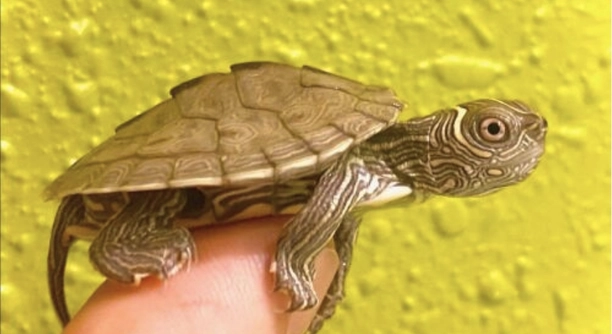
Is your map turtle’s diet missing a veggie-packed punch? Choosing the right vegetables is key to keeping them happy and healthy.
Map turtles love leafy greens like romaine lettuce and nutrient-rich options such as zucchini, bell peppers, and squash. Providing a varied diet ensures their well-being.
Understanding their preferences and knowing safe feeding practices can make all the difference. Let’s explore what keeps these adorable turtles thriving.
7 Vegetables That Map Turtles Love
Map turtles thrive on a diet that mimics their natural eating habits, and vegetables are a key part of it. Leafy greens like romaine lettuce, dandelion greens, and kale are excellent choices. They are low in oxalates and rich in vitamins, supporting your turtle’s overall health. Additionally, bell peppers and zucchini provide a burst of color and nutrients, while squash and carrots are great for variety. These vegetables ensure your turtle gets the fiber and hydration they need. Always wash produce thoroughly and serve in bite-sized pieces for easy consumption.
Adding these vegetables to your turtle’s diet doesn’t need to be complicated. Rotate their meals regularly to provide a range of nutrients, keeping their diet both balanced and enjoyable. Avoid overfeeding one type to prevent imbalances.
Safe vegetable feeding isn’t just about variety; it’s also about moderation. Feeding too many high-water-content veggies, for instance, can dilute nutrients. Stick to fresh, high-quality produce for the best results.
Safe Feeding Tips
Consistency is key when introducing new vegetables. Gradually introduce each type to ensure your map turtle adapts well and avoids digestive issues.
Keep in mind, not all vegetables are safe. Avoid those high in oxalates, such as spinach, and never feed onions, garlic, or anything seasoned. Always serve raw vegetables, as cooked ones can lose vital nutrients. Wash them thoroughly to remove any pesticides or dirt. Slice them into small, manageable pieces to make eating easier for your turtle.
Offering vegetables in a balanced mix is the best way to meet their nutritional needs. Include more leafy greens and limit starchy options like carrots and squash. Remember to remove uneaten food promptly to maintain a clean habitat.
Vegetables to Avoid for Map Turtles
Certain vegetables can harm map turtles if included in their diet. Spinach, for example, is high in oxalates, which interfere with calcium absorption and can lead to health problems. Avoid iceberg lettuce as it lacks nutrients and offers little benefit.
Vegetables like onions, garlic, and leeks should also be avoided entirely. These can be toxic to turtles, leading to severe health issues. Additionally, stay away from vegetables that are overly starchy, such as potatoes or corn. These can cause digestive problems and contribute to weight gain if fed in large amounts. Always research unfamiliar vegetables before feeding them.
If you’re unsure whether a vegetable is safe, it’s best to err on the side of caution. Prioritize nutrient-dense options, monitor your turtle’s health, and consult a reptile vet for personalized advice on their dietary needs.
How Often to Feed Vegetables
Feed map turtles vegetables daily as a core part of their diet, adjusting portion sizes according to their age and size. Young turtles need more protein, while adults thrive on a higher proportion of plant-based foods.
Incorporate a mix of vegetables to maintain nutritional balance. Combine leafy greens like kale with occasional treats such as bell peppers or squash. Always remove uneaten food promptly to prevent tank contamination. A healthy diet helps maintain their vitality and shell health over time.
How to Prepare Vegetables for Map Turtles
Always wash vegetables thoroughly to remove dirt, pesticides, or harmful residues. Chop them into small, manageable pieces that are easy for your turtle to eat. Serving raw vegetables helps preserve their nutrients and keeps feeding simple.
Avoid seasoning or cooking the vegetables, as added ingredients can be harmful. Stick to fresh, raw produce, and ensure leftovers are promptly removed from the tank to prevent water contamination.
Signs Your Turtle Enjoys the Diet
A healthy turtle will be active and alert, showing interest in the vegetables offered. A smooth, firm shell and clear eyes are also good indicators of well-being.
Common Mistakes to Avoid
Overfeeding starchy vegetables like carrots or squash can lead to health issues. Stick to a balanced mix of leafy greens and other safe options.
FAQ
What are the best vegetables for map turtles?
Leafy greens like romaine lettuce, kale, and dandelion greens are ideal for map turtles. They are rich in nutrients and low in harmful compounds. Additionally, vegetables like zucchini, bell peppers, and squash provide variety and essential vitamins.
Can I feed my map turtle the same vegetables every day?
While it’s okay to feed certain staples like romaine lettuce regularly, variety is essential for a balanced diet. Rotating vegetables such as carrots, bell peppers, and squash prevents nutritional imbalances and keeps your turtle interested in their meals.
How often should I give my map turtle vegetables?
Adult map turtles should have vegetables daily, as they rely more on plant-based foods. Juvenile turtles require more protein but can still have small amounts of vegetables a few times a week.
Are there vegetables I should avoid feeding my turtle?
Yes, some vegetables are unsafe for map turtles. Spinach, for example, contains high levels of oxalates that interfere with calcium absorption. Avoid iceberg lettuce as it lacks nutrients, and never feed onions, garlic, or potatoes, as these can be harmful.
Can turtles eat cooked vegetables?
Raw vegetables are best for map turtles because cooking can reduce nutrient content. Cooked vegetables may also contain added ingredients, such as oils or seasonings, that can harm turtles.
How do I introduce new vegetables to my turtle’s diet?
Start by adding small amounts of the new vegetable to their usual meal. Observe how your turtle reacts, and if they eat it without issues, gradually increase the portion. Introducing one new vegetable at a time helps identify any potential problems.
What should I do if my turtle refuses vegetables?
If your turtle resists eating vegetables, try offering different types or mixing them with their favorite foods. Chop the vegetables finely or serve them in small amounts alongside more familiar items. Persistence is key, as turtles can take time to adjust to dietary changes.
How do I store vegetables for my turtle?
Store vegetables in the refrigerator to keep them fresh. Wash them before feeding, and avoid offering spoiled or wilted produce. Prepping vegetables in advance and storing them in airtight containers can make feeding more convenient.
Can turtles eat fruits along with vegetables?
Fruits should only be an occasional treat for map turtles. They are high in sugar, which can lead to health issues if overfed. Stick to small portions of safe fruits like berries or melon and prioritize vegetables for regular meals.
Why is it important to remove uneaten vegetables?
Leaving uneaten vegetables in the tank can lead to water contamination and bacteria growth, which can harm your turtle’s health. Check the tank regularly and remove leftovers promptly to maintain a clean environment.
What are the benefits of feeding vegetables to map turtles?
Vegetables provide essential nutrients, hydration, and fiber, supporting your turtle’s overall health. They also help maintain a balanced diet and contribute to strong shells and healthy growth. Including a variety of vegetables ensures your turtle thrives.
Final Thoughts
Providing the right vegetables is essential for keeping your map turtle healthy and happy. A diet rich in leafy greens like romaine lettuce, kale, and dandelion greens, along with occasional treats like zucchini and bell peppers, ensures they get the nutrients they need. Avoid harmful options like spinach, iceberg lettuce, and starchy vegetables such as potatoes. Feeding fresh, raw produce is a simple way to promote their overall well-being.
Maintaining a balanced diet for your map turtle requires variety and moderation. Rotating vegetables regularly prevents nutrient deficiencies and keeps your turtle interested in their meals. Always wash produce thoroughly and cut it into small pieces for easy consumption. Monitoring your turtle’s health and observing how they respond to new foods can help you adjust their diet as needed. Remember to remove uneaten food to maintain a clean habitat.
Caring for a map turtle involves thoughtful feeding practices, and their diet plays a big role in their overall health. By choosing safe, nutrient-rich vegetables and avoiding common mistakes, you can help your turtle thrive. A little extra care in preparing their meals goes a long way in ensuring they stay active, healthy, and vibrant for years to come.

Hello,
If you enjoy the content that we create, please consider saying a "Thank You!" by leaving a tip.
Every little bit helps us continue crafting quality advice that supports the health, happiness, and well-being of pets around the world, for pets of all shapes, sizes, and species.
We really appreciate the kindness and support that you show us!