
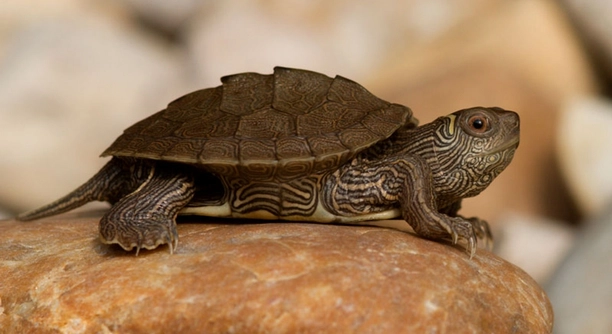
Introducing a new map turtle to an existing tank requires careful preparation and consideration. It can be tricky, but with the right approach, your turtles can coexist peacefully. Knowing how to manage this transition is key.
The best way to introduce a new map turtle is by slowly acclimating it to the tank. Ensure the tank is large enough, clean, and has hiding spots for all turtles to avoid stress. Gradually add the new turtle to the environment.
Making sure your current turtles feel comfortable while accommodating the new one will help create a balanced tank environment. A smooth introduction leads to a healthier and happier turtle community.
Preparing Your Tank for a New Map Turtle
Before adding a new map turtle, ensure the tank is ready. It’s essential to have enough space for all turtles, with a minimum of 10 gallons per turtle. A tank that’s too small can cause stress and territorial issues. The setup should include basking areas, clean water, and hiding spots for all turtles to feel secure. This allows your existing turtles to retreat when needed and prevents conflict.
Maintain the water temperature between 75°F and 80°F. Map turtles thrive in these conditions, which also help prevent disease. Be sure to clean the tank thoroughly and remove any waste or uneaten food before introducing the new turtle.
A good filtration system is essential for keeping the water clean. Turtles produce waste that can quickly pollute the water. A quality filter helps maintain water quality, reducing the risk of illness. Make sure to check the filter’s capacity to match the size of the tank. Adding the new turtle to a well-maintained environment will ease the transition and keep everyone happy and healthy.
Acclimating the New Turtle
When you first introduce the new turtle, consider isolating it for a few days. This allows it to adjust to the tank environment without immediate contact with the others.
After the isolation period, release the new turtle slowly into the main tank. Monitor the turtles for any signs of aggression, such as biting or chasing. If this occurs, separate them again and try the introduction at a later time. A gradual approach ensures that the turtles feel more comfortable with the new arrangement and reduces stress on both sides.
Monitoring Interactions Between Turtles
Once the new map turtle is in the tank, observe the interactions between the turtles. It’s common for there to be some curiosity or minor skirmishes at first. However, if aggression becomes frequent, the tank may need adjustments.
Turtles are territorial by nature. When adding a new one, expect some display of dominance or territorial behavior. Watch for any signs of biting, chasing, or excessive hiding. This could indicate stress or discomfort. It’s important to step in if things seem out of hand. You can temporarily separate the turtles and try reintroducing them later.
Ensure that each turtle has its own space. Provide enough basking areas and hiding spots to minimize competition. This will help the turtles feel more secure and reduce aggression. Sometimes, they just need time to adjust to the new arrangement. Being patient and observant is key to a successful transition.
Handling Aggression or Stress
If the turtles are being overly aggressive or showing signs of stress, consider adjusting the tank setup. More hiding spots or altering basking areas can make a difference.
Aggression can also be a sign of overcrowding. If the tank is too small for the number of turtles, space may become an issue. Consider upgrading to a larger tank or re-evaluating the number of turtles in the habitat. Larger tanks give turtles more room to establish their own space, reducing the likelihood of constant aggression. Additionally, make sure there is a consistent light and heat source that all turtles can access. Keeping the tank at a comfortable temperature is vital to avoiding stress.
Diet and Feeding Considerations
When introducing a new map turtle, make sure that there’s enough food to go around. A new turtle may have different feeding habits, so monitor how much each turtle is eating. This helps prevent competition for food.
You can feed the turtles separately if needed, especially if one turtle is more dominant. This ensures that the new turtle gets enough food and avoids stress. Try feeding at different times or in different areas to give everyone a fair chance to eat. Pay attention to the feeding habits and adjust accordingly.
Health Monitoring After Introduction
After introducing the new map turtle, monitor its health closely. Look for signs of illness such as unusual lethargy, loss of appetite, or shell problems. If any issues arise, separate the turtles and consult a vet for advice.
Health checks should be part of your routine for all turtles in the tank. Regular observation will help you catch problems early and prevent the spread of illness. Also, make sure that water quality remains high and that the basking areas are clean and accessible. Healthy conditions lead to healthier turtles.
Managing Tank Maintenance
Tank maintenance is vital after adding a new turtle. More turtles mean more waste, so clean the tank regularly to keep it in good condition. Replace the water, scrub surfaces, and clean the filter to ensure it’s working efficiently.
A clean environment is key to preventing disease. Without proper maintenance, the water can quickly become polluted, affecting the turtles’ health. Make sure to monitor water levels, temperature, and filtration to keep the habitat optimal for all turtles.
FAQ
How do I know if my new map turtle is adjusting well to the tank?
Watch your turtles closely during the first few days after the introduction. If the new map turtle is actively exploring, basking, and eating, it is likely adjusting well. However, if it’s staying hidden too much or avoiding the basking area, this could be a sign of stress. A lack of appetite or aggression from the other turtles may indicate that the adjustment process is not going smoothly. If this happens, you might need to separate the turtles for a bit and reintroduce them slowly.
What should I do if my turtles are fighting after the introduction?
Aggression is common when introducing new turtles, especially if they are territorial. If the fighting is severe, such as biting or chasing, it’s best to separate the turtles for a short period. Provide hiding spaces in the tank and give each turtle a spot to bask alone. If necessary, you can rearrange the tank to disrupt territorial boundaries. Gradually reintroduce the new turtle to the existing ones. In some cases, it may take time for the turtles to adjust and for the aggression to subside.
Can I add multiple new turtles at once, or should I introduce them one by one?
It is typically best to introduce new turtles one at a time. Adding multiple turtles at once can increase competition for space, food, and basking areas, leading to more stress and aggression. Introducing them one by one gives each turtle a chance to acclimate to the new environment and the existing turtles. It also makes it easier to monitor interactions and separate them if needed. Each introduction should be spaced out by a few days to ensure the new turtle is adjusting well.
How much space does each turtle need in the tank?
A general rule of thumb is to provide at least 10 gallons of water per turtle. For example, if you have two map turtles, a 20-gallon tank would be the minimum size. The more space you provide, the less likely it is for your turtles to feel cramped or territorial. A larger tank gives them more room to establish their territories, reduce stress, and avoid conflict. Larger tanks also provide more opportunities for hiding spots, basking areas, and swimming zones, which are essential for the turtles’ well-being.
What temperature should the tank be for map turtles?
Map turtles thrive in water temperatures between 75°F and 80°F (24°C – 27°C). The basking area should be slightly warmer, between 85°F and 90°F (29°C – 32°C). Keeping the water at the correct temperature is vital for digestion, immunity, and overall health. A reliable aquarium heater can help maintain consistent water temperature. It’s also important to use a thermometer to regularly check the water’s temperature and ensure it remains stable.
Do I need to worry about lighting for my map turtles?
Yes, proper lighting is crucial for map turtles. They require both UVB light to help them produce vitamin D3, which is essential for calcium absorption, and heat to regulate their body temperature. You should provide a UVB bulb over the basking area and ensure the tank has appropriate heat sources. Replace the UVB bulb every 6-12 months, as its effectiveness diminishes over time, even if the light still works. A 12-hour day and night cycle of light will help mimic their natural environment.
How can I reduce stress when introducing a new turtle?
To reduce stress during the introduction, try to keep the tank environment as stable as possible. Avoid making major changes to the tank before introducing a new turtle. Add hiding spots or separate basking areas, so the turtles can retreat if they feel threatened. Introducing the new turtle during the day, when the tank is calm, can also help. If needed, you can separate the new turtle for a few days to let it get used to the tank before full integration.
What should I do if my new turtle isn’t eating?
If your new map turtle isn’t eating, it could be due to stress from the introduction, water temperature, or unfamiliar surroundings. Give it some time to adjust, but also check that the water temperature is correct and that the tank is clean. Try offering different food items like worms, shrimp, or leafy greens to see if it has a preference. If it continues to refuse food after a few days, it’s best to consult a vet to rule out any health issues.
Can I keep a map turtle with other types of turtles?
Map turtles can be kept with other turtles, but it’s essential to consider their specific needs and temperament. Other species with similar size, diet, and environmental requirements can usually coexist peacefully. However, avoid keeping aggressive or larger turtles with smaller map turtles, as they may become stressed or injured. Always monitor interactions closely and be prepared to separate turtles if needed. A mixed-species tank can work, but research each turtle species carefully before introducing them.
How do I know if my map turtle is healthy?
A healthy map turtle should be active, eat regularly, and show no signs of illness. Look for clear eyes, a clean and smooth shell, and no signs of swelling or lesions. The turtle should have an even, steady swim and bask regularly. If you notice any unusual behavior like excessive hiding, lethargy, or a lack of appetite, this could indicate a health problem. Regular checks for parasites, a balanced diet, and proper tank conditions will help keep your turtle healthy. If in doubt, consult a vet who specializes in reptiles.
Final Thoughts
Introducing a new map turtle to an existing tank is not an easy task, but with proper preparation and patience, it can be done successfully. It’s important to take time in adjusting the environment and ensuring that the tank has enough space and resources for each turtle. A clean and well-maintained habitat will help all turtles feel more comfortable and reduce the chance of stress. Watching for signs of aggression or discomfort in the beginning is key. If issues arise, separating the turtles and reintroducing them gradually can often solve the problem.
Creating a peaceful environment for your turtles also involves monitoring their behavior and health. Turtles may initially show signs of territoriality or aggression when introduced, but with time and space, they usually adapt. Regularly checking for signs of stress or health problems, such as loss of appetite or unusual behavior, is crucial. In some cases, it might be necessary to consult a vet, especially if the turtles don’t seem to adjust after a few days. Be prepared to make adjustments to the tank setup if necessary, like adding more hiding spots or changing the water conditions.
Ultimately, introducing a new map turtle is a process that requires attention to detail and patience. The goal is to provide a safe and healthy environment for both the existing and new turtle. While it may take some time for the turtles to coexist peacefully, with the right approach, they can thrive together. If you stay attentive and adjust the tank setup as needed, your map turtles will enjoy a happy and comfortable life in their shared home.

Hello,
If you enjoy the content that we create, please consider saying a "Thank You!" by leaving a tip.
Every little bit helps us continue crafting quality advice that supports the health, happiness, and well-being of pets around the world, for pets of all shapes, sizes, and species.
We really appreciate the kindness and support that you show us!