
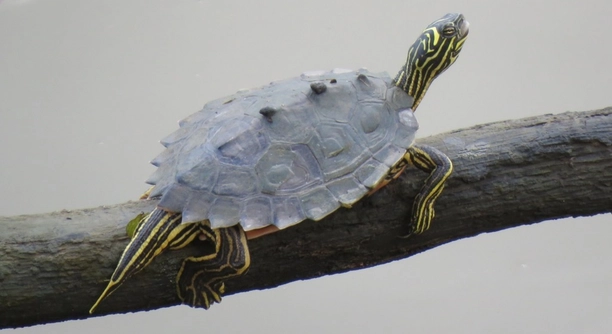
Map turtles are known to stay underwater during cold weather, but it can be concerning when they don’t seem to surface. Understanding this behavior is key to keeping your turtle healthy and comfortable in colder conditions.
In colder weather, map turtles enter a state called brumation, similar to hibernation in mammals. During this time, their metabolic rate decreases significantly, causing them to stay submerged to conserve energy and maintain their body temperature.
This behavior helps them survive in colder environments. Knowing more about it can help you ensure the well-being of your map turtle during the colder months.
Why Map Turtles Stay Underwater in Cold Weather
When the temperature drops, map turtles often stay underwater for long periods. Unlike mammals, these reptiles are cold-blooded, meaning their body temperature depends on their surroundings. In cold weather, their metabolism slows down. Staying underwater helps them maintain a stable temperature, preventing their body from getting too cold. This behavior is natural and part of their way to cope with lower temperatures. They may even reduce their activity to conserve energy and avoid unnecessary movement.
Understanding this can help you better care for your turtle. If your map turtle stays submerged for extended periods, it’s likely engaging in brumation, a dormant state similar to hibernation. They may not eat or drink during this time, and their movements become sluggish. It’s important to ensure that the water temperature in their tank is regulated properly, as overly cold conditions can lead to stress or health issues.
Monitoring your map turtle during colder months can help you provide the best care. If the turtle appears lethargic or continues staying submerged for too long, check the temperature and lighting. A stable environment is essential for their well-being.
How Cold Weather Affects Their Behavior
During colder weather, map turtles tend to become less active, which is typical of many reptiles. Their activity levels significantly decrease as their body functions slow down. This helps them conserve energy during times when food is less available. It’s essential to avoid disturbing them when they’re in this state.
In some cases, map turtles may seem to be completely inactive. If this happens, it’s important not to panic. You may notice that their appetite decreases or that they seem uninterested in eating. This is also a sign that they’re conserving energy. In colder conditions, map turtles need fewer nutrients to survive.
Maintaining the right water temperature can prevent potential issues. Too cold a water temperature can lead to stress and a decrease in overall health. Keeping the water slightly warmer than their typical range will help them remain more comfortable during the winter months. This stability is key to their long-term well-being.
How to Ensure Proper Tank Conditions During Cold Weather
To ensure your map turtle stays comfortable during cold weather, it’s important to maintain the right tank conditions. Keep the water temperature between 50-70°F (10-21°C). A reliable water heater can help regulate this. Avoid drastic temperature changes that can stress your turtle and affect its health.
In addition to water temperature, ensure the basking area is appropriately heated. Map turtles often move between the cool water and the warmer basking spot. This allows them to regulate their body temperature. A basking lamp that provides a gradient of temperatures will help your turtle remain comfortable, even in colder weather.
It’s crucial to regularly check the temperature and make adjustments as needed. Monitor both the water and air temperature to ensure your map turtle’s tank stays within the ideal range. These adjustments will help your turtle feel secure and minimize stress, allowing it to rest more effectively during colder months. Regularly testing the tank’s environment will give you peace of mind.
Avoiding Health Issues in Cold Weather
A drop in temperature can affect your turtle’s immune system, making it more susceptible to illness. Keep an eye out for signs of weakness or lethargy. These symptoms may indicate that your turtle is not handling the cold well. If you notice such changes, take action to address the temperature issues in its environment.
If your map turtle is struggling to stay warm, increase the water temperature gradually to avoid sudden shock. Use a thermometer to monitor the exact temperature and make sure it stays consistent. It’s better to maintain a slightly warmer tank temperature than risk exposing your turtle to cold conditions for extended periods.
Proper tank conditions, including temperature and water quality, are critical to preventing illness. If you see your turtle spending an unusual amount of time underwater, or if it shows signs of respiratory distress, it’s time to address potential issues quickly. Consistent and proper care can help keep your map turtle healthy through the colder months.
Signs Your Map Turtle Is Brumating
If your map turtle is brumating, you might notice reduced activity. It will likely stay submerged for longer periods, coming up less frequently for air. During this time, it may not show interest in food. This is all part of their natural response to colder temperatures.
A brumating turtle may appear more sluggish than usual. It could become inactive, staying still in one area for a while. It’s also common for them to sleep more often. This behavior can last for several weeks or months, depending on the temperature and environment.
Why Map Turtles Don’t Eat During Cold Months
Map turtles typically stop eating during colder months due to their slower metabolism. When their body temperature decreases, they need less energy, which reduces their appetite. It’s important to avoid offering food when they’re in this state, as they are not likely to eat.
Offering food during brumation can cause more harm than good. Eating while in a brumating state can lead to digestion issues, which may affect your turtle’s health. If you notice that your turtle is not eating, it’s best to wait until it becomes more active before resuming feeding.
FAQ
Why is my map turtle staying underwater for days?
If your map turtle is staying underwater for days, it could be entering a state of brumation. During this period, the turtle’s metabolism slows down as it conserves energy. This behavior is common during colder months when the water temperature drops. As a cold-blooded animal, the turtle needs to regulate its body temperature by staying submerged to avoid excessive cooling. If the water temperature is properly maintained and the turtle is still remaining underwater for long periods, it may be brumating. It’s important to check the water conditions to ensure they are within a safe range.
Can I feed my map turtle when it’s underwater in cold weather?
It’s not recommended to feed your map turtle during colder months, especially if it’s spending extended periods underwater. When turtles enter brumation, their digestive systems slow down significantly, and they no longer have the need for food. Offering food when they are in a brumating state can lead to digestive problems, as they may not be able to process it properly. It’s best to wait until your turtle becomes more active and returns to its normal feeding behavior. Offering food too early can cause more harm than good.
How can I tell if my map turtle is brumating or sick?
It can be tricky to tell if your map turtle is brumating or ill, especially since both conditions involve reduced activity. The key difference lies in the overall condition of the turtle. A brumating turtle will look healthy but will show signs of lethargy and reduced appetite, usually in cooler months. If your turtle has no visible signs of infection, such as discharge from the nose or mouth, swelling, or changes in its shell, it is likely just brumating. However, if your turtle appears weak, underweight, or has abnormal physical symptoms, it may be sick and require veterinary attention.
Should I increase the water temperature if my map turtle is staying underwater?
If your map turtle is staying underwater during cold weather, you should check the water temperature first. If it is too cold, it could be contributing to your turtle’s brumation behavior. You can increase the water temperature slightly to keep your turtle comfortable, but do so gradually. Sudden temperature changes can stress the turtle. Maintain a consistent water temperature between 50-70°F (10-21°C). Ensure that the basking area is warmer than the water, as turtles often move between both areas to regulate their body temperature. This will allow your turtle to stay healthy through the colder months.
How long can a map turtle stay underwater during cold weather?
Map turtles can stay underwater for extended periods during brumation. This can last anywhere from a few weeks to a few months, depending on the temperature and the turtle’s specific needs. In their natural environment, they may stay submerged for up to several months. In captivity, it’s important to ensure the water temperature is monitored regularly. If you notice your map turtle staying underwater for longer than expected or appearing lethargic, check its environment. If the temperature is appropriate and the turtle is still not coming up, it may just be brumating.
What should I do if my map turtle is not eating during cold weather?
If your map turtle is not eating during cold weather, there’s no need for concern if it is brumating. This is a natural part of the brumation process, as the turtle’s metabolism slows down and it requires little to no food. During this time, it’s best to withhold feeding and let your turtle rest. However, if your turtle refuses to eat for a prolonged period and does not show signs of brumation, it may indicate a health problem. In this case, you should consult a veterinarian to rule out any underlying health issues.
Can I disturb my map turtle during brumation?
It’s best to avoid disturbing your map turtle during brumation. Turtles in brumation are in a vulnerable state and need peace to recover and conserve energy. Regular disturbances can cause stress, which could negatively affect their health. However, if you notice any signs of illness, such as unusual discharge or swelling, it’s important to assess the situation more closely. In general, leave your map turtle undisturbed unless you’re adjusting tank conditions or checking for potential health issues.
Should I turn off the filter during cold weather for my map turtle?
It’s generally a good idea to keep the filter running during cold weather, as it helps maintain water quality. However, you should monitor the temperature closely, as some filters can slightly cool the water. If you notice that the water is getting too cold, you may need to adjust the filter flow or use a separate heater to maintain a stable water temperature. Good water filtration is important for the overall health of your turtle, especially during brumation when they are more sensitive to changes in water quality.
How can I tell if my map turtle is healthy during cold weather?
To check if your map turtle is healthy during cold weather, observe its physical condition and behavior. A healthy map turtle should have clear eyes, an intact shell, and a smooth, firm body. If your turtle is in brumation, it may appear lethargic but should not show any signs of injury, swelling, or infection. Monitor the turtle’s weight, as a sudden loss could indicate a health issue. Check for any abnormal behavior, such as excessive basking or difficulty moving. If your turtle seems unusually weak or ill, seek veterinary care immediately.
Is it normal for my map turtle to stop basking in cold weather?
It is normal for map turtles to stop basking as the weather cools down. During colder months, they may retreat to cooler areas of the tank or stay submerged to regulate their body temperature. As long as your turtle still has access to a basking area that is warm enough, it should be able to move between the water and the basking spot when needed. If your turtle is not basking at all, make sure the basking area remains at the correct temperature and monitor the turtle for any signs of health issues.
Final Thoughts
Understanding why your map turtle stays underwater in cold weather can help you create a suitable environment for it. Brumation, the natural state of dormancy that occurs in colder months, is common among map turtles. During this time, their metabolism slows, and they reduce their activity level. If your map turtle spends long periods submerged, it is likely just responding to the drop in temperature. It’s important to recognize that this is normal behavior. By allowing your turtle to brumate, you help maintain its natural rhythms and support its health during the winter months.
It’s also important to remember that while brumation is a natural process, it’s crucial to monitor your turtle’s environment. Keeping the water temperature within an appropriate range is key. Too cold, and your turtle might struggle; too warm, and it could prevent proper brumation. The basking area should remain slightly warmer, providing your turtle with a place to regulate its body temperature when needed. Ensuring your turtle’s environment supports its natural cycles will help reduce stress and keep it healthy throughout the colder months.
If you notice your turtle is not eating, moving, or showing other signs of illness beyond the typical brumation behavior, it’s worth seeking advice from a veterinarian. While brumating, map turtles won’t need food, but if the behavior continues for an extended period or changes suddenly, this may indicate an underlying health issue. By carefully observing your turtle’s habits and adjusting its environment when necessary, you can ensure it remains comfortable and healthy. Brumation is a natural part of a map turtle’s life, and with proper care, it can safely navigate the colder months.

Hello,
If you enjoy the content that we create, please consider saying a "Thank You!" by leaving a tip.
Every little bit helps us continue crafting quality advice that supports the health, happiness, and well-being of pets around the world, for pets of all shapes, sizes, and species.
We really appreciate the kindness and support that you show us!