
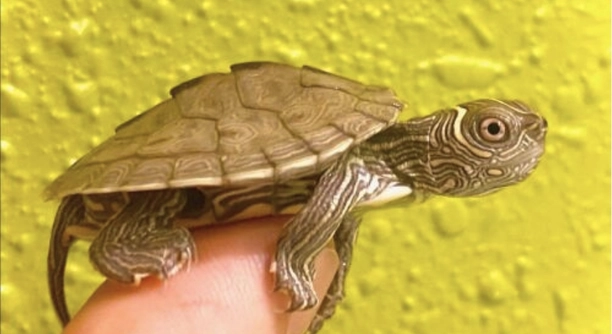
Map turtles can become stressed due to changes in their environment, poor tank conditions, or handling. Understanding how to calm them can help reduce their anxiety and promote a healthier, happier pet.
The best way to calm a stressed map turtle is by ensuring a stable environment. Providing the right tank temperature, adequate space, and proper lighting can help minimize stress and create a comfortable habitat for your turtle.
Understanding your turtle’s needs and making small adjustments to its environment can go a long way in making it feel more at ease. Keep reading for tips on creating a stress-free space for your turtle.
1. Create a Calm Environment for Your Map Turtle
Your map turtle’s environment plays a major role in its stress levels. A tank that feels cramped or is poorly maintained can make your turtle anxious. One of the most important things is to keep the water clean. Regular water changes and a good filtration system are essential. A tank with plenty of space allows your turtle to swim freely and feel more secure. Map turtles are sensitive to temperature changes, so it’s important to maintain a steady water temperature between 75°F and 85°F. Also, make sure the basking area is well-lit and warm, as this provides a place for your turtle to relax.
Creating a stress-free space for your map turtle starts with controlling the basics. Make sure your tank is properly set up to meet the specific needs of your turtle.
Once your map turtle has the right temperature and space, it’s also important to monitor its health regularly. If your turtle appears lethargic or refuses to eat, it may be a sign of stress caused by poor conditions or illness. Ensuring that the tank is the right size and there are no stress-inducing factors will help maintain your turtle’s well-being. A peaceful, well-maintained habitat helps keep your turtle happy and stress-free.
2. Avoid Overhandling
Map turtles are not naturally fond of being handled for long periods of time. Overhandling can lead to stress and cause them to feel unsafe. While it’s fine to occasionally interact with your turtle, it’s important not to overwhelm them. Avoid picking up your turtle too often, especially if it’s not comfortable with being handled. Keep interactions brief and gentle to help your turtle feel secure and avoid causing unnecessary stress.
Keeping handling to a minimum is crucial for your map turtle’s well-being.
Allow your turtle to come to you when it feels comfortable, and avoid reaching into the tank too often. Turtles are naturally cautious animals, and excessive handling can make them feel threatened. If you must handle your turtle, make sure to do so with care, supporting its body properly. It’s also important to wash your hands before and after handling your turtle to avoid transferring harmful substances or bacteria. Creating a calm atmosphere with minimal handling will help your map turtle stay relaxed.
3. Keep the Water Clean
Maintaining clean water is one of the easiest ways to reduce your map turtle’s stress. Regular water changes help keep the tank free of harmful toxins, which can make your turtle feel unwell and anxious. Clean water also ensures the water filter is working properly, providing a healthy environment for your turtle to swim.
Water quality affects everything in the tank, from the health of your turtle to the balance of beneficial bacteria. Change about 25% of the water in your tank every week. Regularly check the water temperature, pH levels, and ammonia levels to ensure they are in the proper range. A reliable filter will help keep the water clean between changes.
Water that is murky or polluted can stress your turtle and lead to health problems. Clear, clean water is a sign of a healthy tank, so make water maintenance a regular part of your routine. If you notice any signs of discomfort, such as lethargy or poor appetite, it could be a result of poor water quality.
4. Offer a Balanced Diet
A proper diet is key to your map turtle’s health and happiness. Feed your turtle a variety of foods that include both animal protein and plant matter. It’s important to offer nutritious options like fish, shrimp, and worms, along with leafy greens and vegetables. A balanced diet will keep your turtle strong and stress-free.
A poor diet can contribute to stress and health problems. Map turtles need a mix of protein and veggies to maintain proper growth, immune function, and overall well-being. Be sure to remove any uneaten food after a few hours to prevent it from polluting the water. Avoid feeding too much of any one type of food.
Feeding a variety of fresh foods helps prevent nutritional imbalances. It’s also essential to supplement their diet with calcium for strong shells. If your turtle is particularly picky, try offering different types of food until you find what it likes. A well-fed turtle will be less likely to experience stress.
5. Provide Proper Lighting
Map turtles require UVB lighting to stay healthy and avoid stress. This helps them metabolize calcium and supports their overall health. Ensure your turtle has access to both UVB and heat lamps to maintain proper temperature and lighting cycles in the tank.
Proper lighting will help regulate your turtle’s day-night cycle, which reduces stress. The UVB light should be on for about 10-12 hours each day to mimic natural sunlight. Be sure to replace UVB bulbs every 6 to 12 months, as their effectiveness decreases over time.
6. Minimize Noise and Distractions
Loud noises and sudden movements can cause your turtle stress. Keep the tank in a quiet area where it won’t be disturbed by people or pets. Avoid tapping on the glass or making abrupt movements near the tank.
A peaceful environment encourages relaxation. If your turtle is in a busy area, try moving the tank to a calmer spot. Reducing noise and movement will help your map turtle feel safe and less anxious.
7. Create Hiding Spots
Map turtles feel secure when they have a place to hide. Adding rocks, plants, or a small cave in the tank gives your turtle a spot to retreat when it feels threatened. This can help reduce stress and increase the turtle’s comfort.
FAQ
How do I know if my map turtle is stressed?
Map turtles show signs of stress in various ways. Common symptoms include a lack of appetite, swimming erratically, hiding more than usual, or being more lethargic. If your turtle appears to be retreating to its hiding spots often or not engaging in normal behavior, it could be stressed. Other signs may include excessive basking or a change in its shell appearance. Pay attention to its eating habits and overall activity to notice any changes that may suggest stress.
Can map turtles get stressed by their tank mates?
Yes, map turtles can get stressed by aggressive or incompatible tank mates. It’s important to ensure that your turtle’s tank mates are peaceful and not competing for resources like food or basking spots. If your map turtle seems agitated or avoids certain areas of the tank, it might be a sign of tension with other animals. Monitor their behavior and separate them if needed to reduce stress.
What should I do if my map turtle isn’t eating?
If your map turtle is refusing food, it could be a sign of stress or poor tank conditions. Check the water temperature, cleanliness, and ensure your turtle is getting proper lighting. Make sure you are offering a balanced diet with both protein and vegetables. If the situation doesn’t improve after correcting the environment and diet, consult a veterinarian to rule out health issues.
How often should I feed my map turtle?
Map turtles should be fed about 3 to 4 times a week, depending on their age and size. Hatchlings and younger turtles tend to eat more frequently, while adults can be fed less often. It’s important not to overfeed, as leftover food can pollute the water and cause stress. Offer a variety of food types to keep their diet balanced and interesting.
Can water quality affect my turtle’s stress levels?
Yes, poor water quality can significantly affect your map turtle’s stress levels. Dirty water can cause health issues, lead to skin or shell problems, and make your turtle uncomfortable. Regular water changes and a good filtration system are essential for maintaining a healthy environment. Always check for ammonia or nitrite build-up, which can cause serious stress to your turtle.
What temperature should I keep the water at for my map turtle?
The ideal water temperature for map turtles is between 75°F and 85°F (24°C to 29°C). Keeping the water within this range helps your turtle stay comfortable and active. If the temperature is too cold or too warm, it can lead to stress and health issues. Ensure the tank has a reliable heater and thermometer to maintain a consistent temperature.
Do map turtles need UVB light?
Yes, UVB light is crucial for map turtles. It helps them absorb calcium and prevents shell deformities and other health issues. Without proper UVB lighting, your turtle may become lethargic, lose its appetite, or have difficulty digesting food. Ensure the UVB light is placed close enough for your turtle to bask under and replace the bulb every 6 to 12 months.
Can I handle my map turtle to reduce stress?
While map turtles can tolerate occasional handling, excessive handling can cause stress. It’s best to avoid handling your turtle too frequently, especially if it doesn’t seem comfortable with it. If you do handle your turtle, make sure to support its body gently and avoid making sudden movements. Keeping interactions short and allowing the turtle to feel safe in its environment will reduce stress.
How can I help my map turtle feel more secure?
To help your map turtle feel secure, provide a spacious tank with plenty of hiding spots. This can include rocks, plants, or a small shelter where it can retreat when needed. A tank that mimics the turtle’s natural habitat will make it feel more at ease. Maintaining a clean, calm environment with proper lighting and water quality also helps reduce stress.
Should I change the water in my turtle’s tank frequently?
Yes, regular water changes are important for keeping your turtle’s environment healthy. You should change about 25% of the water every week to prevent the build-up of harmful toxins. If you have a filtration system, it can help reduce the frequency of full water changes but regular maintenance is still necessary.
How can I tell if my turtle’s shell is unhealthy?
If your map turtle’s shell appears soft, discolored, or has noticeable cracks, it may be a sign of poor health. Shell problems can be caused by a lack of calcium, poor water conditions, or even stress. Keep an eye out for abnormal growths, soft spots, or visible scarring. Regularly check the shell for any unusual signs and seek a veterinarian’s advice if necessary.
Do map turtles enjoy being with other turtles?
Map turtles can get along with others of their kind if the tank is large enough and there’s sufficient food and basking space for everyone. However, overcrowding can lead to stress, and in some cases, aggression. Make sure to monitor your turtles’ behavior and separate them if fights or territorial behavior occur.
Can the size of the tank affect my turtle’s stress?
Yes, the size of the tank plays a big role in your turtle’s stress levels. Map turtles need a spacious tank to swim and bask comfortably. A small tank can make them feel trapped and stressed. A 40-gallon tank is the minimum recommended size for one adult map turtle, with additional space needed for every extra turtle.
Final Thoughts
Caring for a map turtle requires attention to its environment, diet, and overall well-being. Stress can easily affect a turtle’s health, so it’s important to keep its living space clean, quiet, and comfortable. A map turtle’s habitat should mimic its natural environment, with clean water, proper lighting, and hiding spots where it can retreat when needed. Providing these things will help ensure that your turtle remains calm and healthy. It’s also important to minimize handling and avoid any situations that may make the turtle feel threatened or overwhelmed.
Map turtles are sensitive creatures, and small changes to their environment can have a big impact. By keeping a close eye on the water quality, temperature, and lighting, you can make sure your turtle stays stress-free. A balanced diet is another essential part of maintaining your turtle’s health and happiness. With proper care, a map turtle can live a long and healthy life, enjoying its tank without feeling anxious or uncomfortable. It’s essential to learn the signs of stress and address them early on to prevent any further issues.
In the end, a calm and stress-free environment for your map turtle is key to its overall health. Keeping the tank clean, offering a balanced diet, and providing hiding spots are all simple ways to reduce stress. By paying attention to its needs and observing any signs of discomfort, you’ll be able to provide a peaceful environment for your turtle. When you take care of the little details, your map turtle will thrive and enjoy its home.

Hello,
If you enjoy the content that we create, please consider saying a "Thank You!" by leaving a tip.
Every little bit helps us continue crafting quality advice that supports the health, happiness, and well-being of pets around the world, for pets of all shapes, sizes, and species.
We really appreciate the kindness and support that you show us!