
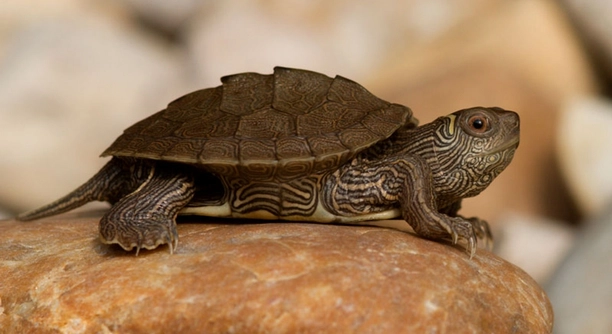
Relocating a map turtle to a larger tank is essential for its health and comfort. Proper planning and careful steps are needed to ensure a smooth transition. This article will guide you through the process safely.
To relocate a map turtle to a larger tank, follow these key steps: Choose an appropriate tank size, prepare the new environment with proper heating and filtration, and gradually introduce the turtle. Maintain a calm, safe environment for minimal stress.
Taking the time to follow these steps can help ensure your turtle enjoys a spacious, clean, and stress-free home.
Choosing the Right Tank Size for Your Map Turtle
When upgrading your map turtle to a larger tank, size matters. Ideally, the tank should be at least 40 gallons for one adult turtle, with an additional 10 gallons for each extra turtle. A larger tank provides ample space for swimming, basking, and exploring, all crucial for the turtle’s physical and mental well-being. It’s essential to give your map turtle enough room to move around freely without feeling cramped. A tank that is too small can limit its activity and create unnecessary stress, which may impact its health.
Ensure that the tank is long and wide enough, as map turtles need horizontal space more than vertical. This allows them to swim and explore comfortably. The more room they have, the better their chances of staying active and healthy in their new home. Also, consider the tank’s height for the appropriate water depth, giving the turtle space to dive and move naturally.
While large tanks may seem daunting at first, the benefits for your map turtle far outweigh the extra cost and effort. Not only does a spacious tank promote physical health, but it also helps reduce stress, which can affect behavior and longevity. Additionally, you’ll find it easier to maintain water quality, as a larger tank will have a better balance of water chemistry and temperature stability. So, investing in the right tank size early on will pay off in the long term for both you and your turtle.
Preparing the New Tank
Before relocating your map turtle, prepare the tank with the right equipment and setup. This includes a reliable filtration system and proper heating elements.
To make the tank suitable for your map turtle, install a good filter to keep the water clean and a heater to maintain the right temperature. The water should be between 75°F and 80°F, while the basking area needs to stay around 90°F.
Setting Up the Basking Area
The basking area is crucial for your map turtle’s health. Make sure it’s dry, easily accessible, and positioned under a UVB light. The spot should be warm and safe for your turtle to rest.
You’ll need to place a platform or rock above the water line where the turtle can climb out and bask. This helps with digestion, shell health, and overall well-being. A UVB light is essential because it aids in the production of Vitamin D3, allowing your turtle to absorb calcium properly. Without sufficient UVB exposure, the turtle may develop metabolic bone disease.
Ensure the basking area is stable and positioned so the turtle can easily climb onto it. The light should be placed close to the platform to provide the necessary warmth. The basking area should also be large enough for the turtle to spread out, helping it feel secure while resting. Creating this comfortable space will be key to your turtle’s success in its new tank.
Gradual Introduction to the New Tank
After the setup is complete, it’s time to introduce your turtle. Take it slow to minimize stress. Gently place the turtle in the new tank and observe its behavior.
At first, your turtle may feel uncertain in the new environment. Allow it to explore the new space at its own pace. Don’t rush or force the turtle to interact with anything. Give it time to adjust to the new tank size, water, and surroundings. Gradual introductions help reduce stress, making it easier for the turtle to adapt.
You may also want to monitor your turtle’s eating and swimming patterns for the first few days. If it’s hesitant to eat, this is normal as it gets used to the new environment. Keep the lighting and temperature consistent, and avoid making any sudden changes that might cause unnecessary stress. The key is to give the turtle the space it needs to adjust without overwhelming it.
Monitoring Water Quality
Maintaining clean water is key to your turtle’s health. Make sure the water is regularly filtered and tested for temperature, pH, and ammonia levels. Clean the tank weekly to remove debris and waste.
Use a reliable water test kit to monitor the tank’s parameters. Regular water changes are necessary to maintain healthy conditions. If ammonia or nitrite levels are high, it could harm your turtle. The ideal pH range for map turtles is between 6.5 and 7.5. Keep the water temperature stable between 75°F and 80°F for optimal health.
Avoiding Overcrowding
Overcrowding the tank can lead to stress and health issues for your map turtle. Ensure there is enough space for the turtle to swim and bask comfortably.
Too many turtles in the same space can create competition for resources and living space. This may lead to territorial behavior or even aggression. It’s important to consider tank size and the number of turtles. Each turtle needs its own space to thrive in a shared environment. Be mindful of the tank’s capacity to keep stress levels low.
Handling Stress and Behavior Changes
Stress can occur when relocating your turtle, so watch for signs like reduced eating, hiding, or swimming erratically. These behaviors are usually temporary.
To help reduce stress, maintain consistency in water temperature, lighting, and feeding schedules. Provide hiding spots and gentle handling to make your turtle feel more secure. If stress continues, consider reviewing the tank’s setup for potential issues.
FAQ
How often should I change the water in my turtle tank?
Water changes should be done every 1-2 weeks, depending on the size of the tank and the number of turtles. For a tank with only one map turtle, you can change about 25-30% of the water every week. If you have a filter in place, this will help maintain cleaner water and reduce the frequency of full changes. Monitor the water quality regularly, and perform additional changes if ammonia or nitrites spike.
What should I feed my map turtle after moving to a new tank?
After relocating, your turtle may not eat immediately due to stress. It’s best to continue offering its usual food, such as commercial turtle pellets, leafy greens, and occasional protein like mealworms or crickets. Keep feeding times consistent to provide structure. You can also try offering food in different areas of the tank to see if your turtle is more willing to eat in a new space.
Is it normal for my turtle to hide after being relocated?
Yes, hiding is a natural response to stress. Your turtle may feel uncertain in the new environment, so it’s important to provide hiding spots or safe zones in the tank. Use rocks, logs, or plants to create these spaces. Over time, as the turtle becomes familiar with its new home, this behavior should decrease.
How do I know if my turtle is stressed?
Turtles can show stress through changes in behavior. Common signs include not eating, excessive basking, swimming aimlessly, or hiding more than usual. You might also notice changes in activity levels or aggression towards tank mates. Monitoring the tank’s environment—temperature, water quality, and light—will help reduce potential stressors.
Can I keep multiple turtles in the same tank?
Yes, but only if the tank is large enough to accommodate all of them comfortably. Each turtle needs its own space to swim and bask without competing for resources. A good rule of thumb is to add 10 gallons of water per additional turtle. Be mindful of possible aggression, especially if the turtles are of different sizes or have not been introduced slowly.
What is the ideal water temperature for a map turtle tank?
Map turtles require water temperatures between 75°F and 80°F. This range ensures that your turtle can swim and digest food properly. Use a submersible heater to maintain the temperature. Additionally, make sure the basking area stays between 85°F and 90°F, as this is where the turtle will warm up after swimming.
How do I clean the tank?
Cleaning involves removing waste and debris, changing the water, and scrubbing the tank surfaces. Use a soft brush or sponge to clean algae off the glass. Don’t use harsh chemicals that could harm the turtle. Be sure to rinse the decorations, filter, and other equipment before returning them to the tank. Also, clean the filter regularly to prevent buildup.
Can I use tap water for my turtle tank?
Yes, but tap water contains chlorine and other chemicals that can harm your turtle. Let the tap water sit for 24 hours before using it, or use a water conditioner designed for aquarium use to neutralize harmful substances. You can also test the water’s pH and hardness to ensure it’s safe for your turtle.
What type of substrate should I use in the tank?
A soft substrate like sand or aquatic plants is best for map turtles. Avoid gravel or rough materials, as they can cause injury if ingested or scraped against. Sand allows for easy cleaning and gives your turtle a more natural environment. Be sure to change the substrate when it becomes too dirty.
How can I make my turtle feel more comfortable in its new tank?
To reduce stress, keep the lighting, temperature, and water conditions stable. Give your turtle time to adjust, and don’t make sudden changes to the tank setup. Adding plants, rocks, or driftwood can help create a more natural and enriching environment. Offering regular feeding times and a consistent routine will also help your turtle feel more at ease.
Can I add plants to my turtle tank?
Yes, plants can help improve water quality and provide hiding spots. Aquatic plants like anacharis or water lettuce offer your turtle a natural environment and a place to hide. Be cautious with live plants, as some may be eaten by the turtle. If using live plants, ensure they are safe and non-toxic for your turtle.
What should I do if my turtle stops eating after the move?
If your turtle stops eating, it’s usually a sign of stress or adjustment to the new tank. Give it time to get used to the new environment. If it continues not eating for more than a few days, check the water temperature, lighting, and filtration. Also, make sure you’re offering its favorite foods. If the problem persists, consult a vet.
Do I need a UVB light for my map turtle?
Yes, a UVB light is essential for map turtles. It helps them produce Vitamin D3, which is necessary for calcium absorption. Without adequate UVB exposure, your turtle could develop shell deformities and other health issues. The light should be placed over the basking area and used for about 10-12 hours a day.
Relocating a map turtle to a larger tank is an important step in ensuring its health and comfort. With the right setup, your turtle will have plenty of space to swim, bask, and explore, which is essential for its well-being. The process may seem a bit challenging at first, but following the right steps can make the transition much easier. Keeping the tank clean, maintaining the correct temperature, and providing a safe basking area will help your turtle adjust more quickly and comfortably.
It’s also important to monitor your turtle after the move. Keep an eye on its behavior and eating habits to make sure it’s settling into the new environment. Stress can occur, and it’s normal for a turtle to hide or show other signs of discomfort initially. However, with patience and consistency, your turtle will likely begin to feel more at home in its larger tank. If any problems persist, check the water quality, temperature, and lighting. Addressing these factors early on can prevent long-term issues.
Overall, relocating your map turtle to a larger tank provides many benefits, including more space for exercise and a healthier environment. By ensuring the tank is properly set up and maintaining a consistent routine, you will be creating a home that supports your turtle’s physical and mental health. It may take a little time for your turtle to fully adjust, but with the right care, it will thrive in its new, spacious environment.

Hello,
If you enjoy the content that we create, please consider saying a "Thank You!" by leaving a tip.
Every little bit helps us continue crafting quality advice that supports the health, happiness, and well-being of pets around the world, for pets of all shapes, sizes, and species.
We really appreciate the kindness and support that you show us!