
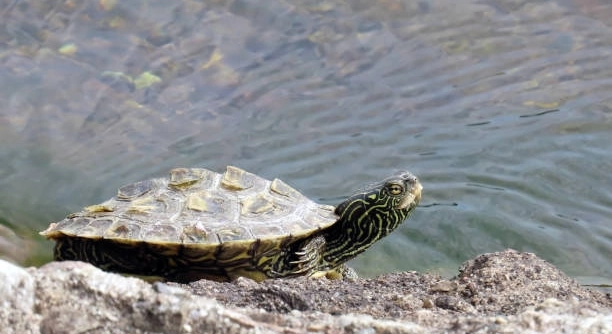
Creating a hiding spot for your map turtle is essential to their well-being. Turtles need a safe, quiet area to retreat to, especially when they feel stressed or need rest. A proper hiding spot can keep them healthy and happy.
To create a comfortable hiding spot for your map turtle, use a dark, sheltered area where they can feel secure. Make sure the spot is large enough for them to enter, turn around, and exit easily. A hide made from natural materials works best.
Choosing the right materials and setting up the perfect spot is easier than you might think. Your turtle will appreciate a space that feels both safe and comfortable, ensuring they are more relaxed and healthy in their environment.
Choosing the Right Materials for a Turtle Hide
The materials you choose for your map turtle’s hiding spot play a major role in how comfortable and secure they feel. Natural items like rocks, logs, or pieces of driftwood provide an authentic feel, which turtles enjoy. You can also use plastic or ceramic hides designed specifically for turtles. The key is to avoid anything that could easily be broken or that may have sharp edges, as this can be harmful to your turtle. Make sure the material is easy to clean as well, since hygiene is important for keeping your turtle healthy.
You can also add moss or damp substrate to make the area more comfortable. Soft bedding materials will provide extra warmth and a cozy space for your turtle to retreat to. If you want to add an extra layer of security, use plants that are safe for turtles, as they will help them feel more hidden.
Setting up the hide in a quiet, undisturbed spot ensures that your turtle will use it when needed. Avoid placing the hide in areas where they could be disturbed by sudden movements or loud sounds. The hide should also be positioned away from direct light sources, as turtles prefer cool, dim areas for relaxation. A hide that is too exposed will not serve its purpose well.
How to Set Up the Hide
Once you have the materials, the next step is to arrange them in a way that makes the hide easy to access but still provides a sense of security. The hide should have a clear entrance but be snug enough for your turtle to feel protected. You can even place the hide near the water, as turtles often feel more comfortable in areas with both land and water access.
By setting up a hide in a thoughtful and practical way, you give your map turtle a space to retreat when they need rest or feel stressed. This will make a noticeable difference in their behavior and overall happiness.
Location of the Hide
The location of the hide is just as important as the materials. Turtles need a place that feels safe and hidden from any disturbances. Choose a spot that’s away from high-traffic areas, loud noises, or direct sunlight. A quiet, cool area is ideal for their hide.
If your turtle is in a tank, place the hide at the back or along the sides to provide a secluded area. It’s essential that your turtle has easy access to their hide without feeling exposed. Keeping the hide near water is beneficial, as map turtles spend time both in and out of water.
Consider the overall layout of the tank when placing the hide. Ensure there is enough space for your turtle to move freely without feeling cramped. It’s also important that the hide is not too close to the heat source, as turtles prefer a cooler, shaded retreat.
Maintaining the Hide
Regular maintenance is key to keeping the hide comfortable and hygienic. Make sure to clean the hide every few weeks to prevent bacteria or mold from growing. Depending on the materials used, a quick rinse or wipe-down will be enough.
If you’re using natural elements like wood or rocks, make sure they’re not decaying or attracting pests. Turtles can be sensitive to their environment, so a clean hide is essential for their health. Check for sharp edges or cracks that could hurt your turtle.
Don’t forget to replace any damp substrate or moss regularly to ensure the hide remains cozy and safe. Fresh materials not only maintain comfort but also prevent the hide from smelling bad. A well-maintained hiding spot will encourage your turtle to use it when needed.
Size of the Hide
The hide should be spacious enough for your map turtle to enter, turn around, and comfortably rest. A cramped hide can stress them out. At the same time, it shouldn’t be so large that it feels exposed. The perfect size offers security and enough room for movement.
If the hide is too big, your turtle may not feel as safe, as they could have difficulty finding a spot to settle. A snug fit creates a sense of protection, making your turtle more likely to use the hide. A hide that fits properly will also reduce the risk of injury.
Adding Extra Comfort
To increase comfort, consider adding soft bedding or moss inside the hide. This creates a cozy environment where your turtle can rest easily. The softness helps maintain a comfortable temperature and encourages your turtle to spend more time in their hide.
A comfortable hide can be a sanctuary for your turtle, helping them to relax and de-stress when needed. Just like us, turtles need a place to retreat to when they’re feeling overwhelmed or simply need a break. Adding comfort can encourage your turtle to use it regularly.
Safety Considerations
Safety is crucial when setting up your turtle’s hiding spot. Avoid sharp or jagged materials that could harm them. Also, ensure that the hide is stable and won’t easily tip over, as this could cause injury. Regularly inspect the hide to make sure it remains safe and secure.
FAQ
How often should I clean my turtle’s hiding spot?
It’s best to clean your turtle’s hiding spot every two weeks. If your turtle is particularly active or if you have more than one in the same tank, you might need to clean it more often. Keeping the area clean helps prevent bacteria growth and ensures your turtle stays healthy. A quick rinse with warm water is usually enough, but avoid using harsh chemicals as they can be harmful to your turtle. Regular cleaning also helps prevent any unpleasant odors from developing inside the hide.
Can I use plastic hides for my map turtle?
Yes, plastic hides can be used for your map turtle. They’re easy to clean and provide a secure, sheltered environment. However, be sure to choose one that is large enough for your turtle to comfortably move around in. Avoid using any plastic hides with sharp edges or difficult-to-reach corners, as they could cause injury. Some turtles may prefer natural hides over plastic, so monitor your turtle’s behavior to see which type they prefer.
Do map turtles need a hiding spot all the time?
Map turtles don’t need to hide all the time, but they do require a place to retreat when they feel stressed, tired, or want privacy. It’s a good idea to provide a hiding spot at all times in their habitat. Even though they spend a lot of time basking or swimming, they should have access to a safe, quiet space whenever they need it. This helps them feel secure and maintain their overall well-being.
Can I use rocks or wood for a turtle hide?
Yes, rocks and wood can both be excellent choices for creating a natural hiding spot for your map turtle. Make sure the rocks are stable and won’t easily shift, as a toppled rock could harm your turtle. Driftwood, pieces of bark, or branches work well if they are smooth and free of sharp edges. Both materials help mimic the turtle’s natural environment, giving them a sense of security. Just be sure to clean them regularly to avoid any bacterial build-up.
Should I place the hiding spot near water?
Yes, placing the hiding spot near water is beneficial for your map turtle. Map turtles are semi-aquatic, so they spend time both on land and in water. Having the hide close to water allows your turtle to easily transition between the two, which helps mimic their natural habitat. It also ensures that the hide remains accessible when your turtle feels the need to rest away from the water, yet still in a safe, comfortable space.
How big should the hiding spot be for my map turtle?
The hiding spot should be large enough for your turtle to fit comfortably inside. Ideally, it should allow your turtle to enter, turn around, and stretch out without feeling cramped. However, it shouldn’t be so large that it feels exposed. A snug but comfortable fit is ideal, as turtles like a sense of security. If the hide is too big, your turtle may not feel as safe, and if it’s too small, they might feel trapped.
Can I add plants inside the hide?
Yes, adding safe plants inside the hide can provide extra comfort and help create a more natural environment. Plants can make the hide feel more secure by offering additional cover. Just make sure the plants you use are non-toxic and safe for turtles. Some plants might even help with humidity control inside the hide, providing a more comfortable space. Be sure to clean the plants regularly to prevent any mold or bacteria buildup.
What if my turtle doesn’t use the hide?
If your turtle isn’t using the hide, check to see if it’s placed in an area that’s too exposed or too far from water. Turtles are more likely to use their hides if they feel secure and have easy access to it. You may also want to try a different type of hide, as your turtle may prefer one material over another. Sometimes, adding soft bedding or a more enclosed space might make the hide more inviting. Lastly, ensure that the hide is clean and free from anything that could make it unappealing.
Is it okay if my turtle doesn’t hide very often?
Yes, it’s okay if your map turtle doesn’t use the hide constantly. Turtles tend to use their hides when they need rest or feel stressed, but they won’t hide all the time. Some turtles are more active and prefer basking or swimming. However, if your turtle avoids the hide altogether, it might be a sign that it feels insecure or uncomfortable. Monitor your turtle’s behavior and adjust the environment if needed to make the hide more inviting.
Can I add soft bedding or moss inside the hiding spot?
Yes, adding soft bedding or moss can make the hiding spot more comfortable for your turtle. Moss can help maintain humidity levels, which is essential for map turtles, and it provides a soft, natural surface for them to rest on. You can also use coconut fiber or other soft materials. Just make sure the bedding is clean and dry to avoid mold or bacterial growth. Changing the bedding regularly will keep the hide fresh and comfortable for your turtle.
Final Thoughts
Creating a comfortable hiding spot for your map turtle is an important part of their care. Turtles, like many pets, need a place where they can feel secure and safe. A good hiding spot helps them manage stress, rest, and even sleep better. Without it, your turtle might feel exposed or anxious, which can affect their health and behavior. By setting up a hide that is spacious, clean, and located in a quiet part of the tank, you can provide your turtle with the comfort and privacy they need to thrive.
The materials and layout of the hide play a big role in how useful it is. Natural materials like rocks, driftwood, or even safe plants can make your turtle feel more at home. These materials mimic what they would find in the wild, offering a more familiar environment. At the same time, the hide should be easy to clean and maintain to prevent any buildup of harmful bacteria or mold. Keeping it fresh will ensure that your turtle enjoys using the hide and stays healthy. Always check for sharp edges or cracks, as these can be dangerous.
Lastly, always observe your turtle’s behavior to see how they use the hide. Some turtles might use it more than others, but all should have access to a safe, quiet spot when needed. If you notice your turtle avoiding the hide, try making small changes. Maybe the spot isn’t hidden enough, or perhaps they prefer a different type of material. The goal is to create a hide that encourages relaxation and a sense of security. With the right setup, your map turtle will be able to enjoy their time both in and out of the water, knowing they have a safe retreat to turn to when needed.

Hello,
If you enjoy the content that we create, please consider saying a "Thank You!" by leaving a tip.
Every little bit helps us continue crafting quality advice that supports the health, happiness, and well-being of pets around the world, for pets of all shapes, sizes, and species.
We really appreciate the kindness and support that you show us!