
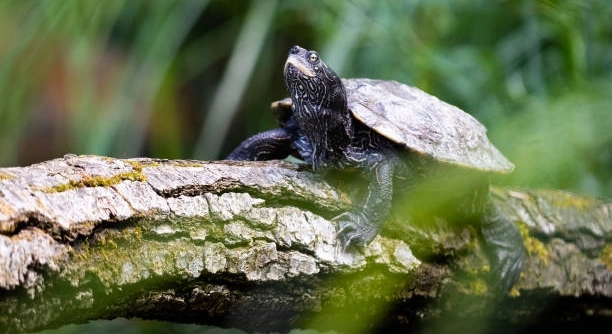
Raising map turtle hatchlings can be a rewarding experience, but it requires proper care and attention. These small creatures need a specific environment to grow and thrive, especially in their early stages of life.
To successfully raise map turtle hatchlings, focus on providing the right temperature, humidity, and habitat. Ensure their enclosure has clean water, a basking area, and suitable lighting for healthy development. A balanced diet of protein and vegetables is essential.
The journey of raising healthy hatchlings involves more than just feeding them. It requires understanding their environment and making adjustments to create the best living conditions. These steps will help you give your map turtles a good start.
Proper Habitat Setup for Map Turtle Hatchlings
Creating the right habitat is crucial for the well-being of your map turtle hatchlings. They need both a dry basking area and a water section in their enclosure. The water should be deep enough for them to swim comfortably, but not too deep for small hatchlings to struggle. A substrate like smooth river rocks can help create a natural environment, while avoiding sharp edges that could harm the turtles. Additionally, it’s essential to provide a safe hiding spot where they can retreat when they feel stressed.
The basking area should be dry and placed under a heat lamp, with a temperature ranging from 85°F to 90°F. This gives the turtles the opportunity to dry off and soak up warmth. The water temperature should be kept at 75°F to 80°F, ensuring they stay comfortable and healthy. Maintaining proper water quality is just as important. Use a water filter to keep the water clean, and perform regular water changes to avoid any build-up of waste.
Lastly, the enclosure should be escape-proof. Hatchlings are small and may be able to squeeze through small gaps, so secure the enclosure with a lid or tightly fitting screen.
Balanced Diet for Healthy Growth
Feeding map turtle hatchlings requires offering a balanced diet. The food should be a mix of protein and vegetables.
Hatchlings enjoy small fish, worms, and aquatic insects. These provide the protein they need for growth. Additionally, leafy greens like kale, dandelion greens, and collard greens are essential for providing vitamins and minerals. You can also offer fruits like strawberries or melons as occasional treats. It’s important to ensure that all food is appropriately sized for the small hatchlings to eat comfortably. Avoid overfeeding, as it can lead to health problems, including obesity.
Over time, as your hatchlings grow, you may need to adjust the food offerings to match their changing nutritional needs. Ensure fresh, clean water is always available for drinking and swimming.
Lighting and UVB for Map Turtles
Lighting is one of the most important aspects of raising healthy map turtle hatchlings. These turtles need UVB light to help them absorb calcium, which is essential for proper shell growth. Without UVB, they could suffer from shell deformities and other health issues.
Provide a UVB bulb in the basking area, as natural sunlight is not always sufficient, especially if your hatchlings are kept indoors. The UVB bulb should be replaced every 6 to 12 months, as it loses its effectiveness over time. Ensure that the bulb is placed at the right distance from the basking area, typically within 12 inches, to provide the appropriate UVB exposure.
While UVB light helps with calcium absorption, it’s also important to provide a heat source to ensure the turtles can regulate their body temperature. This heat should come from a basking lamp placed directly above the basking spot. This combination of heat and UVB light will help your map turtle hatchlings grow strong and healthy.
Clean Water and Filtration Systems
Keeping the water clean is vital to the health of your hatchlings. Hatchlings are particularly sensitive to dirty water, which can lead to skin infections and other health issues.
A filtration system is an excellent way to ensure the water remains clear and free of waste. Look for a filter that is appropriate for the size of your tank and the number of turtles you have. Some filters come with features like biological, mechanical, and chemical filtration to remove debris, toxins, and bacteria. It’s important to clean and maintain the filter regularly to ensure it continues working effectively.
Along with a filtration system, regular water changes are a must. Change 25-30% of the water every week to maintain optimal conditions. When replacing the water, make sure the new water is treated to remove any chlorine or chemicals that could harm your turtles. This will help maintain a healthy aquatic environment for your hatchlings, keeping them free from infections and allowing them to thrive.
Temperature Control for Map Turtle Hatchlings
Temperature plays a crucial role in the health of map turtle hatchlings. It’s important to maintain both the water and basking areas at the correct temperature.
Map turtles need a warm basking spot to dry off and absorb heat, with temperatures ranging from 85°F to 90°F. This can be achieved using a heat lamp. The water temperature should be kept between 75°F and 80°F. Consistent temperatures help regulate the turtles’ metabolism and overall health. Avoid letting temperatures drop too low, as this can cause stress and reduce their immune response.
In addition, sudden temperature changes can be harmful. Always ensure that the tank or habitat is placed in a stable environment away from drafts or temperature fluctuations.
Social Interaction and Stress Management
While map turtles are generally solitary, it’s still important to manage their stress levels. Overcrowding or too much handling can cause them stress.
To avoid stress, only keep a few hatchlings in each tank. If multiple turtles are housed together, make sure they have enough space and basking spots to avoid competition. Turtles may become stressed if they feel threatened or unable to escape from others. Limiting handling also helps, as excessive touching or movement can stress them out.
Create an environment with plenty of hiding spots where your hatchlings can retreat when they feel overwhelmed. These hiding spots give them a sense of security, allowing them to regulate their stress levels naturally. Regular, gentle interaction will help build trust, but avoid overwhelming them. This will keep your map turtle hatchlings comfortable and healthy.
Monitoring Health and Behavior
Regularly observe your hatchlings to ensure they are growing well and not showing signs of illness. Watch for changes in eating habits, activity levels, and behavior.
Healthy hatchlings are active, swim well, and have good appetites. If they stop eating or become lethargic, this could indicate an issue. Other signs of illness include swollen eyes, an overly soft shell, or difficulty swimming. If you notice any changes, seek veterinary advice immediately. Early detection is key to preventing further complications.
Common Health Issues and Solutions
Map turtles can face various health problems, like respiratory infections or shell rot. These can often be avoided with proper care.
Shell rot is usually caused by poor water quality, so maintaining clean water is essential. If shell rot develops, consult a vet for treatment. Respiratory infections can occur from low temperatures or excessive humidity. These can be prevented by maintaining proper habitat conditions and avoiding drafts. Lastly, calcium deficiency is common in hatchlings. Provide a good source of calcium, such as cuttlebone, to ensure proper shell and bone development.
Handling Map Turtle Hatchlings
While map turtles don’t require a lot of handling, gentle and minimal interaction can help build trust.
Handling should be limited to cleaning the tank or moving them to a different habitat. Avoid picking them up unnecessarily, as this can stress them out. When handling them, be sure to support their body carefully, holding them by the sides, and avoid squeezing them. Always wash your hands before and after handling them to avoid introducing bacteria or chemicals to their delicate environment.
FAQ
How often should I feed my map turtle hatchlings?
Map turtle hatchlings should be fed 2 to 3 times a day. At this young age, they need frequent meals to support their growth. Offer small portions of protein like insects, small fish, or worms in the morning and evening. Include vegetables like dandelion greens or kale once or twice a day. Overfeeding can lead to health problems, so be sure not to give them more food than they can eat in 10-15 minutes. As they grow, you can gradually reduce feeding to once a day.
What kind of water filter do I need for map turtle hatchlings?
A good water filter for map turtle hatchlings should be able to handle the size of your tank and the number of turtles you have. Look for a filter designed for aquatic turtles that offers mechanical, biological, and chemical filtration. A powerful filter is essential to keep the water clean, as hatchlings can produce a lot of waste. Make sure the filter is rated for a tank size slightly larger than yours to ensure proper filtration. Cleaning and replacing filter media regularly is key to maintaining good water quality.
Can I use tap water for my map turtle hatchlings?
Tap water can be used, but it must be treated to remove chlorine and other chemicals. These chemicals can harm your turtles, so it’s essential to use a water conditioner to make the water safe. Always let the water sit for 24-48 hours or use a water conditioner before adding it to the tank. In areas with particularly hard water, it might be helpful to use a water softener to reduce mineral buildup. Regular water changes are also crucial in maintaining a healthy environment.
What should I do if my map turtle hatchlings aren’t eating?
If your hatchlings are refusing to eat, it could be due to a few factors. First, check their temperature and lighting. If the basking area or water is too cold, they may not feel comfortable enough to eat. Ensure their UVB lighting is working correctly, as a lack of UVB can cause health issues, including loss of appetite. If the environment is correct and they still won’t eat, check for any signs of illness, such as swelling, discharge, or abnormal behavior. A vet visit may be necessary if the issue persists.
How long do map turtle hatchlings need UVB light?
Map turtle hatchlings need UVB light for about 10-12 hours a day. This is important for their calcium absorption, which is essential for strong shells and bone growth. Use a UVB bulb specifically designed for reptiles, and make sure it’s placed at the correct distance from the basking area, usually around 12 inches. Replace the UVB bulb every 6 months, even if it still appears to be working, as its effectiveness diminishes over time. The combination of UVB and heat will help them thrive.
Do map turtle hatchlings need a heater in their tank?
Yes, a heater is necessary to maintain the water temperature between 75°F and 80°F. This is important for proper digestion and overall health. Choose a submersible aquarium heater that is rated for the size of your tank. Make sure to use a reliable thermometer to monitor the water temperature, as temperature fluctuations can stress your turtles. It’s also a good idea to use a water heater guard to prevent your hatchlings from accidentally touching the heater.
Can I keep more than one map turtle hatchling together?
You can keep multiple map turtle hatchlings together, but make sure they have enough space. Overcrowding can cause stress, which may lead to aggressive behavior, competition for food, or illness. A general rule is to provide at least 10 gallons of water per hatchling. Ensure that there are multiple basking spots to prevent territorial disputes. If you see any signs of aggression or stress, such as biting or excessive hiding, it may be time to separate them.
Why does my map turtle hatchling have soft spots on its shell?
Soft spots on the shell can indicate a calcium deficiency or improper lighting. Calcium is necessary for shell growth and strength, so it’s important to provide a proper calcium supplement. This can be achieved through a cuttlebone in the tank or a calcium powder sprinkled on their food. Also, ensure they have access to UVB light, which helps them absorb calcium. If the soft spots persist, it’s a good idea to consult a vet, as it could be a sign of metabolic bone disease.
How do I know if my map turtle hatchlings are healthy?
Healthy map turtle hatchlings are active, curious, and eat regularly. They should have clear, bright eyes and be able to swim without difficulty. Their shells should be hard and free of cracks, discoloration, or lesions. If they seem lethargic, have trouble swimming, or have swollen eyes, this could be a sign of illness. Regularly monitoring their behavior, eating habits, and overall appearance will help you spot any issues early. Always provide the right habitat, temperature, and diet to support their health.
Can map turtle hatchlings live in a tank with other fish?
It’s best not to keep map turtle hatchlings in a tank with other fish, especially small or delicate species. Turtles are natural hunters and may attempt to catch and eat smaller fish. Even if the fish are too large to be eaten, the turtles might still cause stress to the fish by chasing or harassing them. If you choose to keep fish in the same tank, make sure the fish are large enough to avoid being a target for your turtles and monitor their behavior closely.
Taking care of map turtle hatchlings can be a fulfilling experience, but it does require attention to detail. From providing the right habitat to offering a balanced diet, every aspect of their care plays a role in their overall health and development. It’s important to remember that these turtles are young and need a stable environment to grow. You should make sure their enclosure has both a basking area and clean water for swimming. Without the right conditions, your hatchlings may face health problems or struggle to thrive.
One of the key aspects of raising map turtle hatchlings is maintaining proper temperature and lighting. Their basking area needs a heat source to keep them warm, while UVB light is crucial for calcium absorption. Without UVB light, they may develop shell deformities or suffer from other health issues. Similarly, water temperature should be kept at a comfortable range, and it’s important to keep the water clean to avoid infections. A good filtration system, along with regular water changes, can help maintain a healthy aquatic environment for them to thrive.
Lastly, monitoring their behavior and health is essential for ensuring your hatchlings grow strong and healthy. Keep an eye on their eating habits, activity levels, and overall appearance. If you notice any signs of illness or stress, it’s important to address the issue as soon as possible. Regular vet checkups can also help spot any underlying health concerns early on. By creating a safe, clean, and comfortable environment, you can help your map turtle hatchlings grow into healthy, happy adult turtles.

Hello,
If you enjoy the content that we create, please consider saying a "Thank You!" by leaving a tip.
Every little bit helps us continue crafting quality advice that supports the health, happiness, and well-being of pets around the world, for pets of all shapes, sizes, and species.
We really appreciate the kindness and support that you show us!