
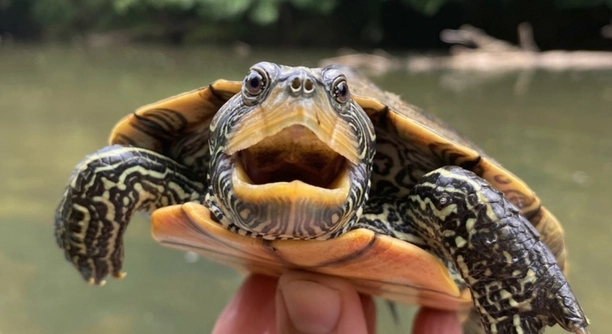
Map turtles are a popular choice for many pet owners, but providing the right environment for them can be tricky. One of the key aspects of their habitat is the water depth. Understanding this can ensure their well-being.
Map turtles require deep water to maintain proper buoyancy, avoid stress, and thrive in a naturalistic setting. Deeper water allows them to dive, swim, and feel secure, mimicking their natural habitat and promoting physical health.
Ensuring your map turtle has enough space to swim freely and dive deeply is essential for their comfort and safety. Keep reading to learn more about the specific reasons why deep water is vital for their health.
1. Deep Water Supports Natural Behavior
Map turtles are naturally adapted to environments with deep water, where they can dive and find refuge when needed. In the wild, they spend most of their time swimming and submerging, which is crucial for their overall health. A deep water setting allows them to exhibit behaviors that come naturally to them. Without the ability to submerge fully, they may become stressed, leading to health problems.
Having access to deep water not only gives map turtles a place to swim but also helps them maintain proper body temperature. Turtles are ectothermic, which means they rely on external temperatures to regulate their body heat. Deeper water can help maintain a more stable temperature, which is especially important when keeping them in tanks. If the water is too shallow, it may heat up or cool down too quickly, causing discomfort or health issues for the turtle.
In addition to temperature control, deep water enables map turtles to escape from environmental stressors. If they feel threatened or overwhelmed, they instinctively dive into deeper areas of water for safety. Without the option to dive, they may feel exposed, increasing stress levels. This is why providing a deeper habitat is essential for a thriving map turtle.
2. Enhances Health and Strength
A deep water environment promotes better physical health for map turtles. Their muscles get a workout when they swim, helping them build strength. Without adequate space to swim freely, their muscles might weaken over time.
Swimming and diving in deep water help map turtles stay active and healthy. This natural activity keeps them physically fit, improving their overall longevity and reducing the risk of obesity. Additionally, it supports joint health, as swimming is low-impact and encourages mobility.
3. Helps with Breathing
Deep water allows map turtles to dive to the bottom and come back up for air, which is important for their breathing. Shallow water limits their ability to submerge fully, making it harder to regulate their breathing patterns.
Turtles often need to dive to catch their breath and balance their oxygen intake. Without deep water, they might feel uncomfortable and stressed, leading to shallow or rapid breathing. This can impact their overall health, making them more susceptible to respiratory problems. Providing deep water mimics their natural environment, promoting more natural, controlled breathing.
In addition, deep water encourages map turtles to use their lungs effectively. When they dive deep, they can regulate their breathing more easily, taking in the right amount of air at the surface and holding it underwater. This behavior is important for their lung health and overall survival.
4. Encourages Exploration and Mental Stimulation
Having deep water allows map turtles to explore, which keeps them mentally active. Without enough space to move and dive, they might become bored or stressed, leading to poor health.
Exploration helps map turtles stay mentally sharp. When they swim and explore their surroundings, they interact with the environment, leading to mental stimulation. This is crucial for their development and well-being. In a confined, shallow space, they may not feel the need to engage with their surroundings.
Mental stimulation is just as important as physical health for map turtles. When they have access to deep water, they feel more encouraged to move around and explore. It keeps them active and engaged, preventing the mental stagnation that can lead to stress.
5. Reduces Stress and Anxiety
Map turtles can feel stressed in shallow water since they may not have enough space to retreat when needed. Deep water offers them a safe place to dive and hide, reducing their overall anxiety.
Stress can cause a variety of health problems in map turtles, including weakened immune systems and reduced appetite. With deeper water, turtles have more control over their environment, giving them a sense of security. They’re more likely to feel relaxed and healthy when they can choose to submerge fully.
6. Helps with Shell Health
Map turtles are often found basking in shallow water, but they need deep water for their shells’ overall health. Deep water encourages them to remain active and reduces the chances of shell problems like softening or deformities.
Turtles with access to deeper water can swim more, which helps in keeping their shells strong and healthy. It promotes natural movement, which strengthens the shell over time. Shallow water, on the other hand, can lead to inactivity and poor shell maintenance, increasing the risk of health issues.
7. Supports Proper Digestion
The movement in deeper water aids digestion for map turtles. When they swim and dive, it keeps their systems running efficiently. Inadequate space for movement can lead to sluggish digestion, affecting their overall health.
Being able to move freely helps promote better digestion by keeping the turtle active. A turtle that is constantly restricted in a shallow tank may struggle with constipation and other digestive issues. Proper water depth encourages regular movement, which in turn supports a healthy digestive system.
FAQ
What is the ideal water depth for map turtles?
The ideal water depth for map turtles is at least 12 to 18 inches. This allows them to dive, swim, and submerge fully, which is essential for their natural behavior and well-being. In smaller tanks, the water depth should be as deep as possible to ensure they have enough space. Water depth plays a vital role in regulating temperature and encouraging natural behaviors like diving. If the water is too shallow, map turtles may feel exposed and stressed, which can lead to health problems.
Can map turtles survive in shallow water?
While map turtles can survive in shallow water for short periods, it is not ideal for their health. Shallow water limits their ability to dive, swim, and fully submerge, which is essential for their natural behaviors. Without deep water, map turtles are more likely to feel stressed, which can result in a weakened immune system and digestive problems. To ensure the health of your map turtle, always aim for a deeper tank with enough space for them to swim and dive.
How does deep water help with map turtle digestion?
Deep water encourages map turtles to swim and remain active, which is beneficial for their digestive system. When they move around, it stimulates digestion and helps food pass through their system. In shallow water, turtles are more likely to remain stationary, which can lead to constipation and digestive issues. Deep water allows turtles to swim naturally, promoting better digestion and overall health. Ensuring that your map turtle has access to deeper water can reduce the chances of digestive problems and keep them healthy.
Do map turtles need a basking area if they have deep water?
Yes, map turtles still need a basking area, even if they have deep water. Basking is important for regulating their body temperature and allowing them to dry off their shells. While deep water provides an area for swimming and diving, it does not provide the heat and light required for basking. A proper basking area, typically with a UVB light and a heat lamp, is necessary to support your turtle’s health and shell development. Make sure your tank has both deep water and a suitable basking spot for your turtle to thrive.
How often should I change the water in my map turtle’s tank?
You should change your map turtle’s water at least once a week to maintain water quality and reduce the risk of bacteria buildup. If the tank is large and properly filtered, you may be able to go longer between water changes. Regular water changes help ensure that your turtle’s environment stays clean, reducing stress and preventing illness. Be sure to remove any uneaten food or waste daily to keep the water clean and fresh for your map turtle.
Can deep water cause map turtles to drown?
Map turtles cannot drown in deep water as long as they have access to the surface to breathe. They are excellent swimmers and can dive, swim, and surface as needed. However, it’s important to ensure that your turtle has a way to easily get to the surface, especially if the water is very deep. Provide plenty of areas to climb, like rocks or floating platforms, so your turtle can rest and breathe when needed. Deep water is beneficial as long as your turtle has the opportunity to breathe and move freely.
How do I create a suitable deep-water environment for my map turtle?
To create a suitable deep-water environment for your map turtle, ensure that the water is at least 12 to 18 inches deep. The tank should have proper filtration to keep the water clean, as turtles can be messy. Additionally, include rocks, ramps, or a basking platform for your turtle to climb out of the water when needed. Make sure to monitor the water temperature, as map turtles need a range between 75 to 80°F. Regular water changes and proper maintenance will help keep the environment healthy for your turtle.
What happens if my map turtle doesn’t have deep water?
If your map turtle doesn’t have deep water, it may experience stress, physical discomfort, and health problems. Turtles need to dive and swim freely to maintain their physical health and to express natural behaviors. Without deep water, they may feel exposed and vulnerable, leading to anxiety and weakened immune systems. Additionally, shallow water limits their ability to regulate body temperature and can result in poor digestion. Overall, shallow water does not provide a suitable environment for map turtles, which can lead to long-term health issues.
Final Thoughts
Map turtles are fascinating creatures that require specific conditions to thrive, with water depth being one of the most important factors. Deep water allows them to engage in natural behaviors like swimming, diving, and submerging, which are essential for their well-being. When their environment meets these needs, map turtles are more likely to be healthy and active. Providing a tank that allows for proper water depth can make a significant difference in how well your turtle adjusts and thrives in captivity.
Without deep water, map turtles are at risk of stress and health problems. Shallow water limits their ability to move freely, affecting everything from breathing to digestion. When they don’t have enough space to swim and dive, it can lead to weight gain, muscle weakness, and even respiratory issues. Deep water helps them feel safe, encourages them to explore, and keeps them active. By giving them a deeper environment, you are helping them lead a more natural and healthy life.
In conclusion, water depth is a key factor in keeping your map turtle happy and healthy. Ensuring they have enough space to dive and swim freely helps maintain their physical and mental health. While providing deep water is important, it’s also essential to offer a basking area, a proper filtration system, and regular tank maintenance. With the right setup, your map turtle can enjoy a comfortable and fulfilling life in your care.

Hello,
If you enjoy the content that we create, please consider saying a "Thank You!" by leaving a tip.
Every little bit helps us continue crafting quality advice that supports the health, happiness, and well-being of pets around the world, for pets of all shapes, sizes, and species.
We really appreciate the kindness and support that you show us!