
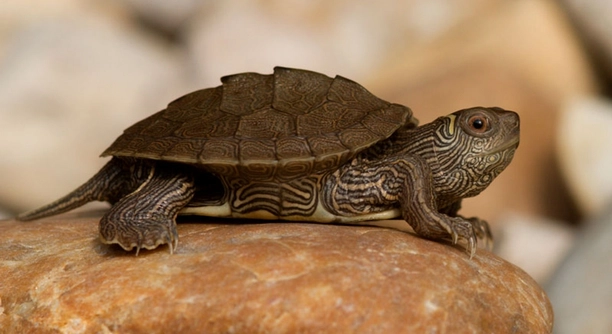
Map turtles are social creatures, but they can be picky when it comes to their tank mates. It’s important to understand how they interact with other species to maintain a peaceful environment.
When a map turtle doesn’t get along with its tank mates, it may exhibit signs of stress or aggression. These behaviors include territorial disputes, hiding more often, and reluctance to eat. Monitoring their interactions is crucial for their well-being.
By recognizing these signs early, you can prevent further stress and ensure your map turtle lives a comfortable life in its habitat.
Common Signs of Tension Between Tank Mates
Map turtles are sensitive to their surroundings, and they can show clear signs when they feel uncomfortable with their tank mates. One of the most common signs is when they start to hide more often. Hiding is their way of escaping from stressful situations. If your map turtle starts spending more time in its shell or seeking isolated corners of the tank, it’s a clear indicator that something is off. Similarly, they may become more aggressive towards other tank mates. Biting, chasing, or even attempting to corner other creatures are behaviors that show their discomfort.
Another thing to keep an eye on is their eating habits. When stressed, map turtles may lose interest in food. If you notice that your turtle is not eating as much as it usually does, it might be reacting to an issue with its tank mates. In some cases, they might stop eating altogether.
By paying attention to these changes in behavior, you can quickly address any issues and ensure that your turtle feels safe and comfortable.
Tank Size Matters
The size of your tank plays a significant role in the dynamics between your map turtle and its tank mates. When tanks are overcrowded, it creates competition for space and resources, leading to stress and aggression. Larger tanks allow turtles to establish their own space, reducing friction.
A tank that is too small for the number of animals can make your turtle feel cornered. Without enough space to move freely, map turtles might become territorial and defensive, showing aggression toward others. The right size tank is essential for keeping the peace among all tank inhabitants.
You should also consider the tank’s layout. Providing enough hiding places, basking spots, and territories can reduce stress and help your turtle feel more secure.
Tank Mate Compatibility
When choosing tank mates for your map turtle, you need to consider their personalities and natural behaviors. Some species are more aggressive and territorial than others, which can make them a poor match. Turtles like the map turtle, which are generally peaceful, may not get along well with more dominant species, such as larger fish or other aggressive reptiles.
The size difference between animals can also create problems. If one tank mate is much larger or faster than the turtle, it can lead to bullying. Smaller creatures might get intimidated, or worse, injured, leading to more stress for your turtle. Additionally, prey animals like certain types of fish can become targets, making the environment unsafe for them.
Keeping a map turtle with similar-sized, peaceful species helps maintain harmony in the tank. Avoid mixing them with species that are prone to aggression, as this will ensure a more balanced and relaxed habitat for all creatures.
Stress From Tank Mates
Stress is one of the main reasons why a map turtle may act out in its tank. It’s not always obvious when stress is taking a toll, but changes in behavior can signal it. If your turtle is avoiding other tank mates, that’s a big red flag.
Turtles are sensitive to their environment. A sudden increase in aggression from other animals or territorial disputes can make them anxious. This anxiety shows up in different ways, like hiding, pacing, or becoming more skittish when anyone approaches the tank. Stress also impacts their health. Over time, it can weaken their immune system, making them more susceptible to illness.
By observing your turtle’s response to other tank mates, you can better understand if stress is a factor. Removing problematic tank mates or giving your turtle more space to retreat to can reduce this stress significantly.
How Food Affects Tank Dynamics
Food can be a source of conflict in a tank. Map turtles, like other creatures, need access to the right amount of food, and when tank mates start fighting for it, the stress builds. When a turtle’s food intake is disrupted by bullying from other animals, it can lead to negative health effects.
It’s important to feed your map turtle separately from the rest of the tank, especially if it’s a competitive environment. This ensures your turtle can eat without interference, which is crucial for their health. Over time, if they don’t get enough food, they may become weaker, affecting their ability to interact with others in the tank.
Watching the eating habits of your turtle and its companions will help you keep track of any issues. If you notice aggressive behavior around feeding time, it’s a sign that something isn’t right. You might need to reconsider the way you feed your tank mates to prevent conflict.
Territorial Behavior
Territorial behavior is common in map turtles. They naturally seek areas of the tank where they feel safe, and any intrusion can lead to aggression. If your turtle seems to guard certain spots or reacts negatively when other animals approach, it’s a sign of territorial stress.
This behavior can escalate if there are too many creatures competing for space. Map turtles need room to bask, swim, and hide. If another tank mate constantly invades their space, it may lead to more pronounced territorial actions, such as chasing or biting. To reduce this, ensure there are enough hiding spots and basking areas for all animals.
Tank Mates and Health Risks
Some tank mates may carry diseases or parasites that could harm your map turtle. If your turtle starts showing signs of illness, like lethargy or changes in appetite, it might be a result of sharing space with an incompatible or sick tank mate.
Certain fish or reptiles may introduce pathogens into the tank without showing symptoms themselves. This can put your turtle at risk, as its immune system may be weaker when stressed. Quarantining new animals before introducing them is a good practice to avoid exposing your turtle to these health risks.
Signs of Aggression
Aggression in map turtles can manifest in different ways. They might bite, chase, or even ram into other tank mates when they feel threatened. These behaviors can lead to injury if left unchecked, which is why it’s important to recognize signs early.
Watching your turtle interact with its tank mates will help you spot aggression before it escalates. If your turtle starts to exhibit these behaviors regularly, it could mean they don’t feel safe. Removing problematic tank mates or adding more space can help calm the situation.
FAQ
What should I do if my map turtle is constantly hiding?
If your map turtle is hiding more than usual, it could be a sign of stress or discomfort with its tank mates. This behavior might stem from aggression, overcrowding, or a lack of personal space. Ensure there are plenty of hiding spots in the tank to give your turtle a retreat. If the issue persists, consider rearranging the tank layout or separating aggressive tank mates. Hiding is a defense mechanism, and making sure your turtle feels secure can help reduce this behavior.
How can I tell if my map turtle doesn’t get along with other animals?
You can look for signs such as aggression, lack of appetite, or excessive hiding. If your map turtle is biting or chasing other animals, it’s a clear indicator of discomfort. Additionally, if the turtle becomes withdrawn or stops eating, it might be stressed due to poor tank mate compatibility. Monitor interactions closely and, if necessary, separate the animals to avoid further stress or injury.
What are the best tank mates for a map turtle?
Peaceful fish or other turtles of similar size and temperament are generally good choices for tank mates. Avoid species that are overly aggressive, too large, or that may compete for food or space. Small, non-aggressive fish like guppies or mollies work well, as long as they aren’t too fast or small. Turtles of similar size, such as other map turtles, can also cohabit peacefully if given enough space. Always consider the personalities and needs of the other animals before introducing them into the tank.
Can map turtles live with fish?
Yes, but it depends on the species of fish. Small, peaceful fish such as goldfish or guppies can coexist with map turtles, provided the tank is large enough and has hiding spots. Avoid putting small or slow-moving fish in the same tank, as they might become prey. Fish that can keep up with the turtle’s movements and aren’t too small will fare better. Additionally, make sure the tank has proper filtration to accommodate both the turtle and the fish.
Is it necessary to have a separate tank for map turtles?
A separate tank isn’t always necessary unless you have aggressive tank mates. Many map turtles can coexist with other peaceful species when provided ample space, hiding spots, and proper tank conditions. However, if you notice persistent aggression or stress, it may be best to set up a separate tank to ensure your turtle’s health and well-being. A larger tank is always preferable when keeping multiple species together.
How do I know if my map turtle is stressed?
Signs of stress in map turtles include loss of appetite, excessive hiding, erratic swimming, or aggression towards tank mates. Stress can also cause physical symptoms like discoloration or swollen eyes. If your turtle is showing these behaviors, it’s crucial to assess its tank environment and make adjustments. Check for compatibility with tank mates, ensure the water quality is ideal, and consider adding more hiding spots or basking areas.
Can map turtles be kept with other reptiles?
It’s not always ideal to house map turtles with other reptiles, especially if they are of different sizes or species. Turtles can be territorial, and larger or more aggressive reptiles may pose a threat. If you choose to keep them together, ensure that both species have their own space, and there is enough room for them to retreat if needed. Monitor their behavior closely for any signs of aggression or stress.
What size tank does my map turtle need?
The general rule for tank size is 10 gallons of water per inch of turtle shell length. A map turtle will need a spacious tank to thrive, especially if it shares space with other animals. A 40-gallon tank is a good starting point for a small map turtle, with larger tanks required as they grow. Having enough space for swimming, basking, and hiding is essential to maintaining a peaceful environment.
How do I prevent aggression between my map turtle and other animals?
The key to preventing aggression is to ensure that your tank is properly set up. Providing enough space for each animal to have its own territory can reduce tension. You should also introduce tank mates slowly and monitor interactions closely. If aggression does occur, try rearranging the tank or providing more hiding spots. If necessary, separate aggressive animals to ensure a peaceful environment for all inhabitants.
How often should I feed my map turtle?
Map turtles are typically fed every other day, but this can depend on their age and size. Juvenile turtles may require daily feedings, while adults can usually go every other day. It’s important to feed them a balanced diet, including aquatic plants, protein-rich foods like worms or fish, and occasional commercial turtle food. Overfeeding can lead to water quality issues, so be mindful of how much you provide.
Final Thoughts
When it comes to keeping map turtles, it’s crucial to understand their behavior and needs. These turtles are peaceful creatures, but they can become stressed or aggressive when their environment is not right. If your turtle is struggling with its tank mates, it’s often a sign of discomfort that requires attention. Stress can show up in many ways, such as hiding more than usual, showing aggression, or refusing to eat. Ensuring that your turtle has enough space and appropriate tank mates is key to its well-being.
It’s important to regularly observe your map turtle’s interactions with other tank inhabitants. If you notice signs of aggression, it might be time to reconsider its tank mates. Providing ample hiding spots, basking areas, and creating a tank that suits the needs of all animals will help ease tensions. By offering a calm and secure environment, your turtle will have a better chance of thriving and coexisting peacefully with others. Remember, the goal is to reduce stress, promote healthy interactions, and keep everyone in the tank happy.
In the end, every turtle is unique, and it may take time to find the right balance in a shared tank. Some turtles may get along fine with other species, while others might prefer solitude or only a select group of tank mates. Always monitor their behavior and make adjustments as needed. As long as you pay attention to their individual needs and create a comfortable environment, your map turtle can enjoy a peaceful and stress-free life in its tank.

Hello,
If you enjoy the content that we create, please consider saying a "Thank You!" by leaving a tip.
Every little bit helps us continue crafting quality advice that supports the health, happiness, and well-being of pets around the world, for pets of all shapes, sizes, and species.
We really appreciate the kindness and support that you show us!