
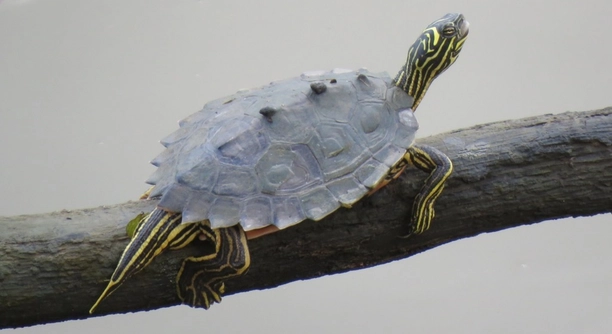
A map turtle’s shell can change color for several reasons, ranging from natural growth stages to environmental factors. If you’ve noticed a shift in color, it’s important to understand what may be behind these changes.
Map turtles often experience color changes due to their growth and age, as their shells mature. Additionally, environmental factors such as diet, water quality, or stress can influence shell color. Understanding these changes is key to ensuring proper care.
Learning more about these changes will help you understand your map turtle’s health and guide you in maintaining a balanced environment.
Why Map Turtle Shells Change Color
Map turtles can experience a range of color changes throughout their lives. As they grow, their shells may gradually become darker or lighter, with the colors intensifying or fading depending on their age and development. This is a natural process that happens as their bodies mature. Factors such as nutrition, exposure to sunlight, and water quality can all play a role in this transformation. Environmental stress can also contribute to color changes. A healthy map turtle with proper care will typically have a vibrant and consistent shell color.
A shift in shell color can also indicate stress. If the turtle is kept in an environment that doesn’t suit its needs, such as water with high levels of contaminants or improper temperatures, the color may become dull. It’s important to monitor water quality and overall living conditions to keep your map turtle healthy.
Diet also plays a major role in shell appearance. A well-balanced diet rich in nutrients can help maintain vibrant colors. Supplements like calcium are particularly important for map turtles as they promote shell health and prevent deformities. By ensuring your turtle has a proper diet and a stable environment, you can support its well-being and ensure it thrives.
Health and Stress Indicators
Sometimes, changes in color aren’t just a sign of growth. Stress and poor health can also lead to alterations in your turtle’s shell. If your turtle’s color becomes uneven or dull, it could signal an underlying issue. Stress can arise from various sources such as poor living conditions, overcrowding, or sudden changes in the environment.
When turtles are stressed, their immune system may weaken, making them more susceptible to illness. This can cause a change in their shell color as part of the body’s response to infection or environmental stress. To prevent this, it is important to maintain proper care, including regular cleaning of the tank and maintaining appropriate water temperatures.
A stressed map turtle may also develop other signs of illness, such as lethargy, loss of appetite, or unusual behavior. If color changes are accompanied by these symptoms, it’s important to consult a vet. Quick action can help prevent more serious health issues and improve the turtle’s condition.
The Impact of Water Quality on Shell Color
Water quality plays a significant role in your turtle’s overall health, including its shell. Dirty or polluted water can cause your map turtle’s shell color to change, often resulting in a duller appearance. High levels of toxins, such as ammonia or nitrates, can stress your turtle and lead to changes in its shell.
Proper filtration and regular water changes are essential for maintaining a healthy environment. If the water isn’t cleaned regularly, harmful substances can build up, making your turtle more susceptible to illness. This stress can trigger changes in color, often signaling that something in the environment needs attention.
Map turtles require clean water to thrive. Keeping the water at the right temperature and free of harmful chemicals is key to ensuring that their shell stays vibrant and healthy. Regular monitoring and maintenance of water quality can prevent these changes and ensure your turtle remains in top condition.
Diet and Nutrition’s Role in Shell Appearance
Your turtle’s diet can directly affect its shell color and overall appearance. A diet lacking in essential nutrients can lead to dull or discolored shells. Map turtles need a balanced diet, including foods rich in calcium and other vitamins to support shell growth and health.
Inadequate nutrition can cause your turtle to suffer from a range of health problems, including soft or discolored shells. Providing the right food, such as leafy greens, pellets, and some live prey, will help keep your turtle’s shell strong and vibrant. Calcium is particularly important as it strengthens the shell and prevents deformities.
If your turtle’s shell color begins to fade, it could be a sign that they aren’t getting the necessary vitamins and minerals. A diet high in calcium and vitamin D3 is crucial for shell development and overall health. Make sure to adjust their meals accordingly to maintain their health.
Stress and Shell Changes
Stress is another factor that can cause changes in your turtle’s shell color. When turtles feel threatened or uncomfortable, their body responds in various ways. A dull or uneven shell color may be one of the first signs of stress.
This can happen due to environmental changes, such as a new tank setup, loud noises, or even the presence of other aggressive pets. Stress weakens the immune system, making it harder for the turtle to maintain its usual shell color. Reducing stress by ensuring a calm and stable environment is important for its overall health.
Exposure to Sunlight
Sunlight is essential for map turtles to stay healthy. Exposure to UV light helps them metabolize calcium, which strengthens their shells and enhances their natural color. Without adequate sunlight, a turtle’s shell may appear pale or dull.
Too much sunlight can also be harmful, causing burns or dehydration. Providing a balance of exposure is key to maintaining healthy shell color. If natural sunlight isn’t possible, consider using UV lamps to simulate the effects of sunlight in the tank, helping your turtle stay vibrant and healthy.
The Role of Shell Diseases
Shell diseases can cause changes in your turtle’s color and texture. Infections, such as shell rot or fungal infections, may cause discoloration, often leading to darker or patchy areas. These diseases can be the result of poor water conditions or an injury.
If your turtle’s shell has irregular patches or appears to have softened, it’s important to check for signs of infection. Treatment typically involves improving water quality, removing any harmful substances, and, in some cases, applying topical medications to heal the shell. Monitoring the turtle’s health closely and seeking veterinary advice will prevent further complications.
FAQ
What causes my map turtle’s shell to turn darker?
A darker shell in a map turtle is often a result of aging or changes in the turtle’s environment. As turtles grow, their shells may darken due to natural development. Additionally, environmental stressors like poor water quality or lack of sunlight can contribute to darker hues.
It’s important to consider your turtle’s habitat and diet when noticing color changes. If your turtle’s shell becomes darker and uneven, check the water quality for contaminants. Also, ensure that your turtle gets enough calcium, which helps with shell health and may prevent darker patches linked to poor nutrition.
Why is my map turtle’s shell turning lighter?
Lighter shells can also indicate several factors, such as poor diet or lack of proper lighting. Map turtles require adequate UV exposure for calcium absorption, which helps maintain a healthy shell color. If your turtle isn’t receiving proper UVB lighting, this may lead to a pale or faded shell.
Nutrient deficiencies, especially calcium and vitamin D3, can also cause your turtle’s shell to appear lighter. If your turtle’s diet is lacking these essential nutrients, it can lead to shell softening and discoloration. Providing a balanced diet and proper lighting will help restore a vibrant shell color.
Can I prevent my turtle’s shell from changing color?
While some changes in shell color are natural, you can prevent harmful changes by maintaining proper care. Keeping your turtle’s environment clean with regular water changes and proper filtration will help prevent discoloration caused by poor water quality. Additionally, ensuring a balanced diet rich in calcium and vitamins is crucial.
UVB lighting plays a significant role in shell health. A turtle that lacks proper UV exposure is more likely to experience color changes and shell problems. Make sure your turtle has access to both natural sunlight or a suitable UVB lamp. This will help maintain its shell color and overall health.
How can I tell if my turtle’s shell color change is a sign of illness?
If your turtle’s shell is undergoing significant or sudden color changes, especially in combination with other symptoms like lethargy, lack of appetite, or swollen areas on the shell, it may indicate illness. Infections or conditions like shell rot can cause discoloration or soft spots.
Regularly check your turtle’s shell for any unusual bumps, softness, or signs of infection, such as foul-smelling areas. If you notice these symptoms, it’s important to seek veterinary care promptly. A vet can diagnose the issue and recommend the proper treatment to help your turtle recover.
What are the signs of shell rot in map turtles?
Shell rot is a bacterial or fungal infection that can cause discoloration, softening, and damage to the turtle’s shell. Early signs include dark, pitted, or soft spots on the shell, usually accompanied by a foul smell. The affected areas may appear slimy or discolored.
Shell rot can occur when a turtle is exposed to poor water conditions, injuries, or stress. If you notice these signs, it’s important to address the cause of the rot immediately by improving water quality and providing appropriate medical treatment. A vet can help treat the infection and prevent further damage to the shell.
Can I use supplements to improve my turtle’s shell color?
Yes, supplements can help maintain and improve your turtle’s shell health. Calcium supplements are particularly important for map turtles, as they promote strong shells and prevent issues like softening. Vitamin D3 is also essential, as it helps turtles absorb calcium properly.
Be sure to consult with a vet before introducing supplements to your turtle’s diet. Over-supplementing can cause problems, so it’s best to follow the recommended dosage based on your turtle’s age, size, and overall health. A balanced diet, along with proper UVB exposure, should provide most of the necessary nutrients.
What role does stress play in shell color changes?
Stress can lead to changes in shell color, often causing it to dull or become uneven. Map turtles are sensitive to changes in their environment, and factors such as loud noises, overcrowding, or a poor living setup can cause stress. When turtles are stressed, their immune systems may weaken, resulting in a less vibrant shell.
To reduce stress, ensure your turtle’s habitat is stable and calm. Avoid sudden changes in water temperature or tank setup, and ensure it has enough space to move around. Keeping your turtle’s environment stress-free will help it maintain a healthy shell and overall well-being.
Can poor water quality affect my turtle’s shell color?
Yes, poor water quality is a common factor contributing to shell discoloration in map turtles. High levels of ammonia, nitrates, or other contaminants can stress your turtle, leading to dull or uneven shell color. It’s essential to maintain a clean tank environment with regular water changes and proper filtration.
Testing the water regularly and adjusting pH levels, ammonia, and nitrate concentrations can prevent shell discoloration caused by water quality issues. By providing clean, well-maintained water, you can help your turtle maintain a healthy, vibrant shell.
Final Thoughts
Changes in your map turtle’s shell color can happen for many reasons, some of which are natural, while others may be signs of underlying issues. Shell color alterations are not always a cause for concern, especially if they occur gradually. As map turtles age, it’s common for their shells to change in hue or texture. However, when changes happen suddenly or are accompanied by other health signs, it’s essential to pay close attention and seek professional advice.
Maintaining a healthy environment is key to preventing unwanted changes in shell color. Regular water changes, proper filtration, and a balanced diet rich in essential nutrients like calcium and vitamins are vital for your turtle’s health. Additionally, providing adequate UVB lighting helps your turtle process calcium, promoting strong shells and vibrant colors. By focusing on these factors, you can reduce the risk of shell discoloration caused by poor care.
If you notice sudden or significant changes in your turtle’s shell, especially if combined with other symptoms like lethargy or swelling, consulting a veterinarian is important. Early intervention can prevent more serious issues from developing. Ensuring that your turtle is living in a stable, well-maintained environment and that its health is regularly monitored will keep its shell looking its best and help ensure a long, happy life.

Hello,
If you enjoy the content that we create, please consider saying a "Thank You!" by leaving a tip.
Every little bit helps us continue crafting quality advice that supports the health, happiness, and well-being of pets around the world, for pets of all shapes, sizes, and species.
We really appreciate the kindness and support that you show us!