
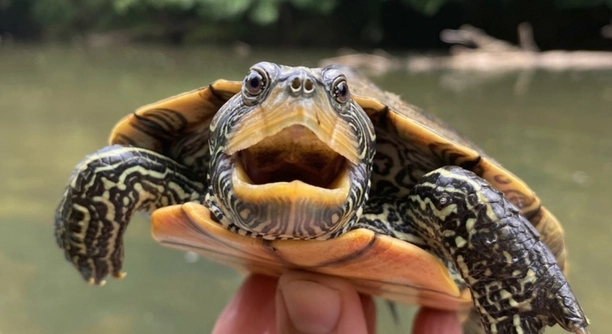
Adding tank mates to a map turtle’s habitat can be a fun way to enhance the ecosystem in your aquarium. Ensuring the safety and compatibility of all creatures is key to maintaining a healthy environment.
To safely add tank mates to a map turtle’s habitat, start by choosing species that are peaceful and have similar care requirements. Avoid aggressive or overly active animals that could stress the turtle. Gradually introduce new tank mates to monitor their interactions.
Understanding the proper tank mate selection and introduction process will make the transition smoother. This approach helps ensure the well-being of all creatures involved.
Selecting Compatible Tank Mates for Your Map Turtle
When considering tank mates for your map turtle, compatibility is the most important factor. Not all animals will thrive in the same environment, so it’s crucial to choose species that can coexist peacefully. Species like small fish, non-aggressive amphibians, and certain invertebrates are good options. Avoid introducing species that may outcompete or threaten the turtle, such as larger or aggressive fish. Always keep the water conditions in mind, as different creatures may require different temperatures or pH levels. A balanced aquarium is key to providing a harmonious environment for both the turtle and its new companions. Make sure each animal’s needs are met before making a decision.
Properly introducing new tank mates takes patience. This step helps prevent any sudden stress that could cause aggression or health issues. By ensuring everyone is comfortable, your map turtle and its tank mates can live together without stress.
With proper preparation and consideration, adding tank mates can enrich your turtle’s habitat. Choosing compatible species and observing their behavior closely will ensure a healthy, peaceful tank. Each new addition should be carefully monitored to prevent any harm to the existing animals.
Monitoring Tank Mate Interactions
Keeping a close eye on how your map turtle and its tank mates interact is essential. Changes in behavior can signal issues that need to be addressed right away. Over time, some animals may become more territorial or stressed.
Once you’ve added tank mates, monitor interactions closely for the first few weeks. Watch for signs of stress in any animal, such as hiding, aggression, or changes in appetite. Stress can quickly lead to health problems, so early detection is crucial. If you notice any aggressive behavior, be ready to separate the animals. Additionally, check water quality regularly, as a crowded tank can lead to poor water conditions, which will affect all the animals. Regular water changes are important to keep the environment healthy for everyone.
By maintaining a peaceful environment and observing interactions closely, your map turtle and its tank mates can live harmoniously. Each addition should be introduced carefully to ensure their health and well-being.
Choosing the Right Tank Size
The tank size should accommodate all the animals comfortably without overcrowding. A larger tank allows for more space, reducing stress and competition for resources. Map turtles need room to swim, bask, and move around freely. When adding tank mates, ensure there is enough space for everyone to thrive without territorial conflicts.
A 40-gallon tank is typically the minimum size for one map turtle. For each additional animal, you should increase the tank size by 10 gallons. A larger tank helps maintain water quality and offers more space for each species. Pay attention to the turtle’s size and activity level when selecting tank mates. Active fish and amphibians should be able to move freely without disrupting the turtle’s space. Keep in mind that a larger tank requires more maintenance to ensure water quality remains optimal.
With a proper-sized tank, everyone can enjoy a more comfortable and balanced environment. Monitor the tank’s ecosystem to ensure it remains suitable for all inhabitants, including the turtle. A spacious tank will help reduce stress, improving the health and happiness of your map turtle and its companions.
Maintaining Clean Water
Clean water is essential to a healthy aquarium, especially when adding tank mates. More animals mean more waste, which can quickly affect water quality. Regular water changes, proper filtration, and monitoring the tank’s parameters are necessary to ensure a clean, safe environment for everyone.
Keep a consistent water change schedule, replacing 10-20% of the water every week. This prevents the build-up of harmful substances like ammonia and nitrates. A good filtration system is crucial for maintaining water clarity and removing toxins. Make sure the filter is suitable for the size of the tank and the number of inhabitants.
Water quality directly impacts the health of your map turtle and its tank mates. Poor water conditions can cause stress and lead to diseases. Regular testing of water parameters such as pH, hardness, and temperature will help keep the environment stable. A clean tank ensures the long-term well-being of all the creatures in the habitat.
Understanding the Map Turtle’s Temperament
Map turtles are generally peaceful but can be territorial. They may become aggressive if their space is threatened, especially when it comes to food or basking spots. It’s important to observe the turtle’s behavior when adding tank mates to ensure no conflicts arise.
Map turtles are most comfortable in environments where they feel secure. If they sense competition or feel crowded, they may become stressed or show signs of aggression. Avoid adding fast-moving fish or highly territorial species that could cause tension in the tank. Keep the turtle’s personality in mind when choosing tank mates.
Choosing Suitable Tank Mates
When selecting tank mates, consider animals that won’t compete with the turtle for food or territory. Peaceful fish, snails, or other calm turtles can often coexist with map turtles. Be mindful of species that might nibble on the turtle’s shell or cause stress.
Choosing the right companions is essential for maintaining harmony. Fish that are too small may become food for the turtle, while larger species might stress or intimidate the turtle. Non-aggressive species, such as certain species of minnows or shrimp, can work well in shared tanks. Look for animals with similar environmental needs as well.
Proper Tank Decorations
Tank decorations should provide hiding places for all creatures to reduce stress. Use plants, rocks, and logs that allow space for the turtle and its tank mates. These hiding spots give everyone a sense of security and help prevent territorial disputes.
FAQ
What types of fish can live with a map turtle?
Some good fish options for map turtles include peaceful species like minnows, guppies, and certain types of barbs. These fish won’t generally pose a threat to the turtle, and they also do not outcompete it for food. Avoid fish that are too small, as the turtle may view them as prey. Additionally, try to choose species that thrive in similar water conditions, such as temperature and pH, to prevent stress for both the turtle and its tank mates. Fish that are too large or aggressive could end up causing problems.
Can map turtles live with other turtles?
Yes, map turtles can live with other turtles, but you must choose the right species. Avoid mixing them with highly aggressive or larger turtles. Smaller, more docile turtle species, like red-eared sliders, may coexist peacefully with map turtles if the tank size is large enough. However, it’s essential to monitor their behavior closely. Turtles are territorial creatures, and even species that are generally peaceful can become stressed or aggressive in cramped environments.
Do map turtles need live plants in their tank?
Live plants can be a good addition to a map turtle’s habitat, as they provide hiding spots, help maintain water quality, and contribute to the overall aesthetic of the tank. However, map turtles may occasionally nibble on plants, so choose hardy varieties that can withstand some damage. Plants like anubias, java fern, or water lettuce are great options. Just be sure to check that the plants won’t overpower the turtle’s space or interfere with its swimming area.
How often should I feed my map turtle and its tank mates?
Map turtles are typically fed every 2-3 days, with their diet consisting of a mix of protein-rich foods (like worms, fish, and shrimp) and plant-based foods (such as leafy greens and aquatic plants). When adding tank mates, make sure there is enough food for everyone. Some species, such as fish and invertebrates, may need more frequent feedings, but be careful not to overfeed, as it can lead to water quality issues. Regularly monitor the tank’s food supply and adjust as needed.
Will adding too many tank mates stress my map turtle?
Yes, overcrowding can stress your map turtle. It’s important to ensure that there is plenty of space for each animal in the tank, as well as sufficient hiding places to reduce territorial disputes. Stress from overcrowding can lead to health problems for the turtle, such as shell damage or weakened immune systems. When adding tank mates, consider the size of the tank and the space each animal requires. A larger tank with fewer animals is generally a healthier option.
What should I do if my map turtle becomes aggressive toward its tank mates?
If your map turtle shows aggression toward its tank mates, you may need to separate them temporarily or permanently, depending on the situation. Aggression can happen when there’s a lack of space, food competition, or territorial disputes. Increasing the tank size, providing more hiding spots, or adjusting the water flow might help reduce aggression. If the behavior continues, consider rehoming some of the tank mates or finding other compatible species to keep with the turtle.
Can map turtles live in tanks with crabs or shrimp?
Yes, some species of crabs and shrimp can live with map turtles, but caution is needed. Crabs may become aggressive or territorial, while small shrimp could become prey for the turtle. Larger, more robust species of shrimp, such as ghost shrimp or bamboo shrimp, may do better in a shared tank. It’s essential to make sure that these tank mates are large enough to avoid being eaten and that they can handle the same water conditions as the turtle.
How can I tell if my map turtle is stressed?
Signs of stress in a map turtle include loss of appetite, erratic swimming, hiding more than usual, or exhibiting aggression. Stress can also lead to physical signs, such as shell discoloration, sores, or injuries from trying to escape or interact with tank mates. If you notice any of these symptoms, it’s essential to assess the tank environment, water quality, and the behavior of tank mates. Stress is often caused by poor water quality, overcrowding, or incompatible tank mates.
Is it safe to keep map turtles with amphibians?
Some amphibians, like certain types of frogs, can live with map turtles, provided they have plenty of hiding spaces and aren’t too small to be eaten. It’s crucial to select amphibians that can handle the same water conditions, such as temperature and pH, as map turtles. Additionally, be cautious with more delicate amphibians, as map turtles might disturb them, especially during feeding times. Monitor interactions carefully to ensure no harm is done.
How do I ensure my map turtle and its tank mates are healthy?
Maintaining a clean tank, ensuring proper filtration, and providing a balanced diet are key to the health of your map turtle and its tank mates. Regular water changes, monitoring water quality, and checking the health of each animal will help ensure that everyone is thriving. Observing their behavior and feeding habits will allow you to spot any health issues early. Additionally, providing appropriate lighting and basking areas for the turtle is essential for its well-being.
Final Thoughts
Adding tank mates to a map turtle’s habitat can be a rewarding experience, but it requires careful planning. Choosing the right tank mates is key to ensuring that both the turtle and its companions thrive. It’s important to select peaceful species that won’t stress or harm your map turtle. Fish, other turtles, or invertebrates can coexist with map turtles if they are the right size and temperament. Understanding the turtle’s natural behavior and environmental needs will help you make informed decisions.
Space, food, and hiding spots are essential for keeping all the animals in the tank happy. Make sure the tank is large enough for the turtle and its potential tank mates to have enough room to move around. Providing adequate hiding spaces helps prevent territorial disputes and reduces stress. It’s important to regularly monitor the water quality as well. A clean tank promotes the health of all inhabitants and ensures a peaceful environment. Keeping a close eye on your turtle’s behavior will help you spot any signs of aggression or stress early, allowing you to address potential issues before they escalate.
In the end, a successful tank setup relies on the balance of the right species and the proper environment. Regularly maintaining the tank, watching for signs of stress, and being prepared to separate any aggressive animals when necessary are all part of responsible turtle care. With the right precautions, your map turtle can live harmoniously with its tank mates, and you’ll have a peaceful and thriving aquatic habitat to enjoy. By following these steps, you can create a suitable and enjoyable home for your map turtle and its companions.

Hello,
If you enjoy the content that we create, please consider saying a "Thank You!" by leaving a tip.
Every little bit helps us continue crafting quality advice that supports the health, happiness, and well-being of pets around the world, for pets of all shapes, sizes, and species.
We really appreciate the kindness and support that you show us!