
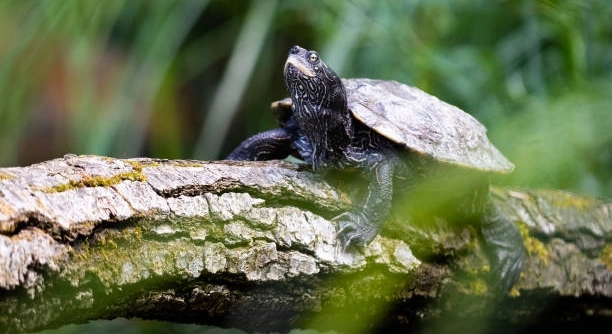
Map turtles are fascinating creatures that can make great pets. However, when it comes to tank sharing, there are certain considerations to keep in mind. Understanding the compatibility between different species is key to ensuring a peaceful environment.
Betta fish are aggressive and territorial, while map turtles are generally more passive. Keeping them together in a single tank can lead to stress, injury, or even death for one of the animals. Separate tanks are often recommended.
By understanding these factors, you can make the best decision for both your map turtle and betta fish, ensuring a safe and comfortable living space for both.
Why Betta Fish and Map Turtles Don’t Mix Well
Betta fish and map turtles have very different temperaments and needs. Betta fish are known for their territorial nature, often becoming aggressive if they feel their space is being threatened. On the other hand, map turtles are generally more laid-back and prefer a calm environment. This difference in behavior can lead to conflicts if both species are housed in the same tank. Betta fish may attack the turtle, especially if the turtle invades its territory. Meanwhile, a map turtle could unintentionally injure the betta while swimming or searching for food. It’s crucial to understand these dynamics before deciding to house both species together.
While it might seem convenient to house both species in the same tank, it’s important to recognize that their living conditions are not compatible. Tank size, water temperature, and diet must be adjusted to suit each species, which makes sharing a tank complicated.
In addition to behavioral issues, bettas and map turtles require different water conditions. Bettas thrive in warmer water temperatures of around 76 to 82°F, while map turtles prefer slightly cooler water, typically between 72 to 78°F. This temperature difference can make it difficult to maintain optimal conditions for both animals in a shared tank. Furthermore, bettas need a much smaller environment compared to turtles, who need space to roam and bask. Trying to meet the needs of both species in one tank could result in an unhealthy environment for either or both animals.
Alternatives to Keeping Them Together
If you’re determined to keep both pets, it’s best to house them in separate tanks. This way, each animal can thrive in an environment suited to their needs. Creating separate spaces ensures that both species can live comfortably, minimizing the risk of harm.
When you provide individual tanks, you can customize the setup to meet the specific needs of each species. Bettas can enjoy a cozy, peaceful tank while the map turtle has room to swim, bask, and explore. Ensuring each species gets the proper care will lead to healthier and happier pets in the long run.
Space Requirements for Betta Fish and Map Turtles
Betta fish need a smaller space compared to map turtles. A tank for a betta should be at least 5 gallons, but a 10-gallon tank is ideal for a more comfortable environment. On the other hand, map turtles require much larger tanks to accommodate their swimming needs, with a minimum of 40 gallons for a single turtle.
A larger tank offers map turtles the opportunity to swim freely, which is essential for their well-being. They also need areas to bask, requiring additional space and accessories such as a basking platform. Trying to house both species in the same tank could result in cramped conditions, leading to stress and poor health.
When keeping betta fish, you should focus on providing enough swimming space without overcrowding. Map turtles need a lot more room for swimming and basking, and when the tank is shared, neither animal can meet its spatial needs, which negatively affects both species. This makes separate tanks the best solution.
Water Conditions for Betta Fish and Map Turtles
Betta fish and map turtles thrive in different water conditions, making it harder to share a tank. Bettas prefer slightly warmer water (76-82°F) while map turtles are more comfortable in slightly cooler temperatures (72-78°F). This difference can be difficult to manage.
Water quality is another crucial factor. Bettas need clean water with a low flow to prevent stress, while map turtles create more waste, demanding a strong filtration system. Keeping both species in one tank would require constant monitoring and adjustments to water temperature and filtration, which can quickly become overwhelming. In a shared tank, you’d have to compromise the optimal living conditions for both, leading to possible health issues. Maintaining ideal water quality and temperature for both species is much simpler when they have separate tanks.
Feeding Habits of Betta Fish and Map Turtles
Betta fish are carnivores and need a protein-based diet, usually consisting of pellets, live or frozen food like worms and brine shrimp. They eat small portions daily, making feeding easier in a small tank. Map turtles, however, have a more varied diet, including vegetables, protein, and insects.
Turtles eat more substantial meals, and their diet can change with the seasons. A map turtle’s diet requires variety, including greens, fish, and occasional live prey, which makes feeding in a shared tank complicated. Both animals need careful attention to their specific diet, further reinforcing the need for separate tanks.
Stress and Aggression
Betta fish are naturally territorial and may become highly stressed when other animals invade their space. In contrast, map turtles are more passive but can become stressed by tank mates, especially if the space is limited. These stress levels can lead to aggression and health problems.
If housed together, both animals could feel threatened by the other, resulting in stress and behavioral changes. Betta fish may become aggressive toward the turtle, or the turtle could harm the betta while trying to swim or feed. This mutual stress can result in lasting damage to both pets’ health.
Tank Maintenance Challenges
Maintaining water quality in a tank shared by bettas and map turtles is challenging. Map turtles produce more waste, which can quickly degrade water quality. Bettas, who are sensitive to changes in water parameters, may suffer if water isn’t filtered properly.
Having separate tanks makes it easier to maintain optimal conditions for each species. Bettas require a gentler filtration system, while turtles need stronger filtration. Trying to manage both in the same tank could lead to constant water imbalances and more frequent cleaning, creating extra work.
FAQ
Can I keep a betta fish with other aquatic animals?
Betta fish are highly territorial and can be aggressive toward other fish, especially males of their own kind. While some species of fish can coexist with bettas, it’s crucial to choose peaceful tank mates. Ideal companions include snails, shrimp, and certain non-aggressive fish like neon tetras. It’s best to avoid any species that resemble bettas or have long, flowing fins, as these can trigger aggression. When choosing tank mates, consider their size and temperament to ensure a peaceful community tank.
Do map turtles need a special diet?
Yes, map turtles require a balanced diet to stay healthy. Their diet consists of both animal and plant-based foods, making them omnivores. Map turtles enjoy a mix of greens, vegetables like zucchini and kale, protein-rich foods such as fish, shrimp, and insects, and occasional live prey. It’s important to vary their diet to provide all the necessary nutrients. You should also supplement their food with calcium to support their shell health. Regular feeding is crucial to keep them healthy, and they should be fed daily or every other day, depending on their age and size.
What is the ideal tank size for a betta fish?
The minimum recommended tank size for a betta fish is 5 gallons, but a 10-gallon tank is ideal for ensuring the fish has enough space to swim. A larger tank helps maintain better water quality and provides more room for decorations, plants, and hiding spots. Bettas enjoy having space to swim and explore, so providing a tank that is too small can stress them out. A larger tank also makes it easier to maintain a stable environment with fewer fluctuations in water parameters, which are important for betta fish’s well-being.
How often should I clean a tank with a map turtle?
Map turtles produce a lot of waste, which can quickly degrade water quality. To maintain a healthy tank, it’s essential to clean it regularly. At a minimum, you should clean the tank every two weeks, but some owners prefer to clean their turtle’s tank once a week. Regularly removing uneaten food, waste, and debris will help keep the water clear and reduce the risk of bacteria buildup. In addition to regular water changes, you should also clean the filtration system to ensure it continues to work effectively. Monitoring the water quality is essential to prevent any health issues.
Do betta fish need a filter?
Yes, betta fish benefit from having a filter in their tank, although the flow should be gentle. Bettas are not strong swimmers, so they can struggle against strong currents, which could cause them stress. Choose a filter with adjustable flow or one designed specifically for small tanks. A filter helps maintain water quality by removing waste and debris, reducing the frequency of water changes needed. However, you’ll still need to perform regular water changes to keep the tank clean and provide a healthy environment for your betta.
Can map turtles live in cold water?
Map turtles are cold-blooded and can tolerate cooler water temperatures, but they do need warmth for optimal health. The ideal water temperature for map turtles is between 72 and 78°F. If the water is too cold, their metabolism will slow down, and they may become lethargic. It’s important to maintain a consistent temperature to keep your turtle active and healthy. In colder environments, you may need a heater to ensure the water stays within this range. Additionally, providing a basking area with a heat lamp allows them to regulate their body temperature.
Can I house multiple betta fish together?
Betta fish are known for their aggressive behavior, especially toward other males. They should not be housed together unless the tank is large enough to give each betta their own space. Even in large tanks, they may still show aggression toward each other. Female bettas can sometimes coexist in a community tank, but only under the right conditions and with careful monitoring. If you want to keep multiple bettas, it’s best to have a tank divided into sections or have enough hiding spots to give each fish their own territory.
Do map turtles need a basking area?
Yes, map turtles need a basking area where they can dry off, warm up, and rest. A basking area is crucial for their health as it helps them regulate their body temperature and allows them to absorb UVB light, which is essential for their shell and bone health. The basking area should be dry, elevated above the water, and large enough for the turtle to comfortably climb on and rest. A basking lamp with UVB bulbs should be used to provide the necessary warmth and light. Without a proper basking area, your turtle’s health could suffer.
What water temperature do betta fish prefer?
Betta fish thrive in warmer water, typically between 76 and 82°F. It’s important to maintain a stable temperature within this range to keep your betta healthy. If the water is too cold, the betta may become sluggish or develop health problems. A reliable aquarium heater is a must to ensure the water stays within the ideal temperature range, especially in colder environments. Use a thermometer to monitor the water temperature regularly, as fluctuations can stress the fish and impact its immune system. Keeping the water warm also promotes healthy activity levels.
How can I tell if my map turtle is sick?
Sick map turtles often show signs of lethargy, poor appetite, or changes in behavior. You may notice that the turtle is not basking as much or is having difficulty swimming. Shell abnormalities, such as soft or discolored areas, are a significant sign of illness. Respiratory infections may cause the turtle to have labored breathing, mucus discharge from the nose, or swollen eyes. If you notice these symptoms, it’s important to consult a veterinarian who specializes in reptiles. Early detection and treatment are key to ensuring your turtle’s health and longevity.
Final Thoughts
Keeping both betta fish and map turtles can be rewarding, but it’s essential to understand their unique needs. Betta fish require a stable, warm environment with low currents, and their aggressive nature means careful selection of tank mates is crucial. They thrive in smaller, well-maintained tanks, where water quality is regularly monitored. Map turtles, on the other hand, need a larger habitat that includes both a swimming area and a basking spot. They also require specific water temperatures and a balanced diet to remain healthy. Though their care requirements differ, both species can live happily in the right conditions.
When considering housing these animals together, it’s important to take their compatibility into account. Betta fish are territorial and can become aggressive toward other creatures, including turtles. Map turtles are generally calm but may pose a risk to small or slow-moving fish due to their hunting instincts. Creating a separate, well-thought-out habitat for each species ensures that both can thrive. If you choose to house them in the same space, consider dividing the tank to give each species enough room and minimize the chance of conflict. Proper tank maintenance is also essential in keeping both animals healthy.
In conclusion, while it’s possible to keep both betta fish and map turtles as pets, it requires careful planning. Each species has its own set of needs, and understanding these requirements will help prevent problems down the road. With the right tank setup, a balanced diet, and regular care, you can create an environment that supports both the betta and the map turtle’s well-being. Keeping them in separate tanks may ultimately be the best choice to ensure a peaceful and healthy living space for both.

Hello,
If you enjoy the content that we create, please consider saying a "Thank You!" by leaving a tip.
Every little bit helps us continue crafting quality advice that supports the health, happiness, and well-being of pets around the world, for pets of all shapes, sizes, and species.
We really appreciate the kindness and support that you show us!