
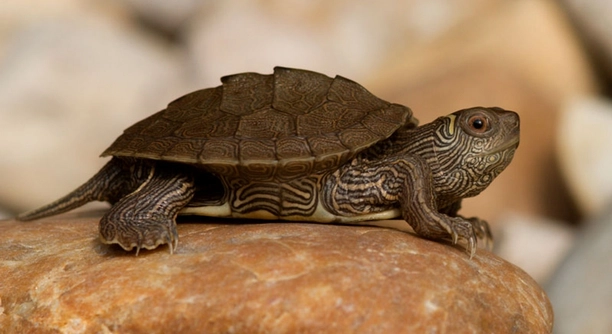
Map turtles are fascinating creatures, known for their distinctive patterns and behaviors. One particular behavior often noticed is their tendency to swim toward bright lights. This instinct may seem puzzling, but there are several reasons behind it.
The attraction of map turtles to bright lights is largely due to their natural instincts. They are drawn to the light because it mimics the brightness of the moon, which they rely on for navigation. This behavior is often seen in hatchlings as they head toward open water.
Understanding the reasons behind this behavior helps explain more about the habits of map turtles. Knowing these reasons can improve how we manage their environment.
The Role of Light in Map Turtle Navigation
Map turtles, like many other species, rely on natural cues to navigate their environment. Bright lights, particularly those that mimic the moon, play a crucial role in guiding their movements. In the wild, hatchlings often head toward the ocean’s glow, using the natural light from the moon to find their way. In contrast, artificial lights can mislead them, causing them to swim toward land instead of toward open water.
This behavior is tied to their evolutionary instincts. For map turtles, light represents a safe route to follow. Their reliance on light for direction is so strong that even bright artificial lights can confuse them. This confusion can be harmful, especially in environments where humans have altered the natural light patterns.
Artificial lights, though they may seem harmless, disrupt the turtles’ natural guidance systems. This can lead to disorientation, which makes them vulnerable to predators or getting stuck in areas without water. The presence of bright lights, especially near water bodies, can significantly impact their survival.
Impact of Light Pollution on Map Turtles
Map turtles are particularly sensitive to light pollution, which disrupts their natural behavior. Artificial light can interfere with their nocturnal activities, making them more prone to mistakes.
In areas with high light pollution, map turtles may exhibit abnormal behavior, such as swimming toward brighter lights instead of their natural habitat. This is especially concerning for hatchlings, as they rely on the moonlight to navigate toward the ocean. As they grow older, map turtles still rely on light cues, and any alteration to these cues can cause them to become disoriented.
Conservation efforts aim to reduce light pollution around turtle nesting areas. Strategies like shielding lights and using low-intensity lighting have been proposed to protect these creatures. By adjusting artificial lighting, we can help ensure that map turtles follow their instincts safely.
How Bright Lights Mimic Natural Cues
Map turtles are instinctively drawn to light because it resembles the natural glow of the moon. This instinct is essential for hatchlings as they rely on the moon to guide them toward the water. Bright lights, whether natural or artificial, create the same effect, leading the turtles to follow the light source.
This behavior is deeply rooted in their evolutionary instincts. By heading toward light, turtles believe they are moving in the right direction, which is crucial for survival. However, artificial lights confuse this navigation process. For example, instead of heading toward the ocean, hatchlings might swim toward urban areas. This puts them in dangerous situations, exposing them to predators or environmental hazards.
The impact of artificial lights extends beyond just hatchlings. As map turtles mature, they continue to rely on light for navigation. Disruption of this natural behavior can significantly affect their movements, reducing their chances of finding suitable habitats. Awareness of this issue is vital for conservation efforts.
Why Map Turtles Choose Artificial Lights
Map turtles are attracted to bright lights, but it’s not always because they are searching for food or mates. Instead, this behavior is related to their natural instinct for finding safe spaces. The lights often mimic the reflective surface of water, which they associate with safety.
In areas where artificial lighting is abundant, map turtles often mistake the light for natural guidance, leading them to wrong locations. Hatchlings, in particular, are vulnerable to this misdirection, as they follow the light source instead of heading toward the ocean. The bright lights may trick them into swimming inland, where they face dangers like predators, dehydration, and being trapped in unsafe areas.
For adult turtles, the effects of artificial lighting are also significant. Their habitual use of light as a navigation tool can make them more prone to errors when exposed to bright lights. This mistake can alter their behavior, which can ultimately hinder their ability to find food or mates in their natural habitat.
Effect of Artificial Lighting on Turtle Hatchlings
Artificial lighting disorients map turtle hatchlings by mimicking the moon’s glow. Hatchlings naturally head toward brighter lights, believing it’s the moon. This misguidance leads them away from the ocean and increases their risk of predators, dehydration, or getting stuck in landlocked areas.
Many hatchlings become confused by streetlights, neon signs, or other artificial sources. Instead of swimming towards water, they may move inland, where survival becomes difficult. The confusion caused by lights can significantly decrease their chances of survival, preventing them from reaching the safety of the ocean.
Conservation Efforts to Reduce Light Pollution
To protect map turtles, some conservationists are working to reduce light pollution. The goal is to create areas where natural light remains undisturbed. Reducing artificial lights near beaches can significantly improve hatchling navigation and their chances of survival.
By using low-intensity lighting or directing lights downward, it’s possible to minimize the impact on turtles. The effort to limit light pollution is essential for supporting healthy turtle populations. These measures help ensure that hatchlings find their way safely to the ocean, where they are less vulnerable to harm.
The Impact of Overhead Lighting on Adult Map Turtles
Overhead lighting can also affect adult map turtles by disrupting their night behaviors. Turtles are nocturnal creatures, relying on low light levels to move about. Bright artificial lights cause confusion, making it harder for them to find safe spaces.
Adult map turtles are naturally drawn to the light for guidance, whether it’s for finding food or escaping predators. Overhead lights create disturbances in their patterns, often leading them toward urban or hazardous areas. Reducing lighting at night can help minimize this disruption, supporting the turtles’ natural routines.
FAQ
Why do map turtles swim toward bright lights?
Map turtles are instinctively drawn to light because it mimics the natural glow of the moon, which they rely on for navigation. This instinct is especially strong in hatchlings, who use the moon to find their way toward the water. When artificial lights are present, they can trick the turtles into swimming toward land instead of the ocean, which can be dangerous for their survival.
How does artificial light impact map turtle hatchlings?
Artificial light disorients map turtle hatchlings, leading them away from their natural path toward the ocean. Hatchlings typically follow the brightest light source, believing it to be the moon. When exposed to streetlights, neon signs, or other artificial sources, hatchlings may move inland instead of swimming toward open water. This misdirection increases their vulnerability to predators and environmental hazards, which can decrease their chances of survival.
What types of artificial light affect map turtles the most?
Streetlights, neon signs, and even lights from nearby buildings are the most disruptive to map turtles. These artificial light sources can easily confuse the turtles, especially during their migration from nesting sites to the water. The brighter and more intense the light, the greater the impact on their natural behavior. Even small changes in light levels can lead hatchlings off course.
Are adult map turtles affected by artificial lights?
Yes, adult map turtles can also be affected by artificial lighting. While they may not be as reliant on moonlight for navigation as hatchlings, they still use light cues to find food, shelter, and safe spaces. Overhead lighting can disrupt these behaviors, making it harder for them to find their way around. The confusion caused by bright lights can lead adult turtles toward urban areas or other hazardous locations.
How can light pollution be reduced to help map turtles?
Reducing light pollution can help map turtles navigate more effectively. Some strategies include using low-intensity lighting, shielding lights, and directing them downward. These measures minimize the effect of artificial lights on turtles by reducing their visibility from the water. Community efforts to limit bright lights near beaches or turtle nesting areas are essential for supporting the natural navigation of map turtles.
What are the best ways to protect map turtles from light pollution?
One of the most effective ways to protect map turtles is by creating “dark zones” around nesting beaches. These zones should minimize artificial lighting during the critical periods when hatchlings are emerging. Additionally, using turtle-friendly lighting, such as amber-colored or low-wattage bulbs, can help reduce the impact of artificial light. Local governments and businesses can contribute by installing turtle-friendly lighting systems and adjusting lighting schedules to minimize disturbances during peak turtle activity.
Do all turtle species react to bright lights the same way as map turtles?
While many turtle species are affected by bright lights, map turtles have a particularly strong response due to their reliance on light cues for navigation. However, other species, especially sea turtles, exhibit similar behaviors. Hatchlings from other species, like loggerhead and green sea turtles, can also be misled by artificial lights, leading them away from the ocean. Each species may react differently depending on its environment and natural behaviors, but the impact of light pollution is a common threat.
Can map turtles find their way back to the water after being misdirected by lights?
Once map turtles are misdirected by artificial lights, their chances of finding their way back to the water are significantly reduced. Hatchlings are particularly vulnerable, as they are less likely to retrace their steps or correct their path once they head in the wrong direction. Adult turtles may be more adaptable, but their ability to navigate becomes compromised by excessive light exposure. To ensure the safety of both hatchlings and adults, it’s crucial to minimize light pollution near turtle habitats.
Are there any specific times when light pollution is more harmful to map turtles?
Light pollution is especially harmful during the nesting and hatching periods. Hatchlings typically emerge from the nest at night and are most vulnerable to light confusion during this time. The weeks surrounding their emergence are the most critical, as they need to head toward the brightest natural light source, the ocean. If artificial lighting is present, it can lead hatchlings away from the water, causing them to become disoriented and at risk. Adult turtles may also be affected during their feeding or breeding seasons, especially if they rely on dim light for navigation.
How do map turtles find food?
Map turtles primarily use their vision and instincts to find food. They rely on light cues to locate prey in their environment, particularly at night when they are most active. Artificial lights can disrupt their ability to search for food, making it harder for them to find suitable sources of nutrition. Natural cues, like moonlight or the reflection of light off the water, help guide them toward food sources.
What should be done if I see a turtle near artificial lights?
If you spot a turtle near artificial lights, especially hatchlings, it’s important to avoid disturbing them. If possible, gently guide them toward the water, but avoid physical contact unless necessary. You can help by contacting local wildlife authorities or conservation groups, who may be able to assist in relocating the turtle or addressing the issue of light pollution in the area. It’s also helpful to report locations where artificial light may be impacting turtle activity.
Final Thoughts
Map turtles, like many other wildlife species, face numerous challenges due to human activities. One of the most significant threats to their survival is artificial light. As natural creatures that rely on moonlight for navigation, the confusion caused by bright lights can lead hatchlings and adult turtles in the wrong direction. This increases their vulnerability to predators, dehydration, and being lost in dangerous areas. Understanding how light pollution affects map turtles is a crucial step toward protecting these animals and ensuring their future in the wild.
Efforts to reduce light pollution can make a significant difference in helping map turtles thrive. By using low-intensity lighting, directing lights downward, and creating designated dark zones around nesting beaches, we can reduce the harmful effects of artificial light on these turtles. Such measures help preserve their natural navigation patterns and give hatchlings a better chance of finding their way to the water. Communities and local authorities play an important role in supporting these conservation efforts by ensuring proper lighting regulations are in place and that the areas around turtle habitats remain as undisturbed as possible.
While there is still much to learn about the exact effects of light pollution on map turtles, ongoing research and conservation efforts continue to provide valuable insights. As we work together to minimize artificial light around critical turtle habitats, we can improve their chances of survival. Protecting map turtles requires both awareness and action, and even small changes in how we approach lighting can make a big difference. In the end, it’s about helping these incredible creatures navigate safely in their natural environment, ensuring that future generations of map turtles can thrive and continue to contribute to our planet’s biodiversity.

Hello,
If you enjoy the content that we create, please consider saying a "Thank You!" by leaving a tip.
Every little bit helps us continue crafting quality advice that supports the health, happiness, and well-being of pets around the world, for pets of all shapes, sizes, and species.
We really appreciate the kindness and support that you show us!