
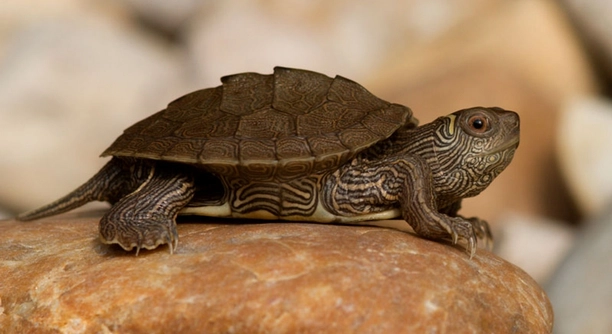
Map turtles are fascinating creatures with unique behaviors, one of which is their tendency to sleep during the day. Understanding this behavior can help you care for them more effectively and ensure they thrive in their environment.
The main reason map turtles sleep during the day is due to their natural circadian rhythms, which are influenced by their environment and activity levels. Being primarily active at dusk or dawn, they rest during the day to conserve energy for nocturnal activities.
Exploring how their environment affects their sleep patterns will provide insights into their needs and habits. This knowledge will help ensure your map turtle stays healthy and comfortable.
Why Map Turtles Sleep During the Day
Map turtles are known for their unique behavior of resting during daylight hours. This is primarily linked to their natural circadian rhythms. These turtles are typically more active at dawn or dusk when the light is lower and temperatures are cooler. During the day, they conserve their energy by resting. This sleep pattern also helps them avoid predators that may be more active in the daytime. Understanding this behavior can guide how you care for your turtle. Ensuring a proper habitat with the right light and temperature conditions can promote healthy sleep patterns.
In the wild, map turtles often sleep in shaded, calm areas near water. The temperature and light levels affect their activity. Their natural instincts tell them when to sleep and when to be alert. By mimicking these conditions at home, you help them maintain their natural rhythms. Providing shaded spots in their tank will help them feel secure and rest better.
When your map turtle sleeps during the day, it’s simply following nature’s cues. Making sure they have the proper conditions for both day and night cycles will contribute to their health and overall well-being.
How Environment Affects Their Sleep
The environment plays a significant role in regulating a map turtle’s sleep cycle. Turtles are sensitive to temperature, light, and even humidity levels. A consistent and appropriate environment will help them rest when they need to. Having both warm and cool areas in their habitat allows them to choose where to rest comfortably.
Map turtles are most active at dawn and dusk, and their behavior reflects this. This is when they are more likely to bask, forage, and interact. At night, they rest to recover for the next cycle. Since their sleep patterns are influenced by the light and temperature in their surroundings, providing a consistent day-night cycle is crucial. Too much light or excessive warmth during the day can disrupt their sleep, leaving them feeling sluggish or stressed. Ensuring they have access to shaded spots, cooler temperatures, and adequate light exposure will encourage proper sleep and overall health.
Natural Behavior and Habitat
Map turtles are primarily freshwater turtles, often found near rivers, lakes, and ponds. These habitats provide them with calm, shaded areas where they can rest during the day. Their natural environment encourages them to sleep during the warmer, brighter parts of the day and remain active in cooler hours.
In the wild, map turtles bask during the early morning or evening, avoiding the harsh midday sun. They spend their time near aquatic plants or submerged logs for shelter. Mimicking this natural environment in captivity is essential for their comfort. Ensure their habitat offers a calm space with both warm and cool areas for basking and hiding.
This balance allows the map turtle to regulate its body temperature, contributing to its overall well-being. Proper habitat conditions will not only help with their sleeping patterns but also encourage more natural, healthy behaviors, such as basking and feeding.
Light Exposure and Sleep
Light exposure is critical for maintaining healthy sleep patterns in map turtles. These turtles are highly sensitive to light, and their circadian rhythms are influenced by natural day-night cycles. In captivity, you can replicate this by using lighting systems that mimic the natural sun cycle.
Map turtles require a UVB light source, as it helps them synthesize vitamin D3, promoting proper calcium absorption. Without adequate light, they may experience disruptions in their sleep cycle, causing lethargy or other health issues. To avoid this, ensure your map turtle receives a balanced mix of natural sunlight and artificial UVB light. Additionally, the room’s lighting should be dimmed during the evening, signaling to the turtle that it’s time to rest. This balance between light and dark will help your map turtle sleep soundly during the day and remain healthy overall.
Temperature Control
Temperature is another key factor that impacts a map turtle’s sleep. These turtles thrive in environments where they can regulate their body temperature by moving between warm and cool areas. Keeping your turtle’s habitat at a consistent temperature is important for their well-being.
Map turtles need both a basking area with heat and cooler zones to rest. Their basking spot should be around 85°F to 90°F, while the rest of the tank can range between 70°F and 75°F. These varying temperatures allow your map turtle to regulate its activity and sleep cycles. If the tank is too hot or cold, their sleep patterns may be disrupted.
A properly regulated temperature not only promotes healthy sleep but also encourages more active behavior when they’re awake. Ensuring these conditions in your turtle’s environment will help them stay active and healthy, just as they would in their natural habitat.
Stress and Sleep
Stress can negatively affect your map turtle’s sleep habits. Factors like overcrowding, loud noises, or changes in their environment can cause anxiety, leading to disrupted sleep. If your turtle seems restless, it could be due to stress.
To reduce stress, provide a quiet, stable environment where your turtle feels safe. Make sure the tank has plenty of hiding spots where they can retreat if they feel threatened. Avoid sudden changes in their habitat or routine, as this can lead to confusion and anxiety. A calm and predictable environment will help your map turtle sleep better during the day.
FAQ
Why does my map turtle sleep so much during the day?
Map turtles are diurnal creatures, meaning they are typically active during the early morning or late afternoon when it’s cooler. They sleep during the day to avoid the hottest parts of the day, conserving their energy. In captivity, this behavior is a result of their circadian rhythm, which is regulated by light and temperature. If your turtle sleeps a lot, it’s probably just following its natural pattern of staying still during the warmer, brighter times.
How can I tell if my map turtle is sleeping or sick?
It can be hard to tell if your map turtle is just resting or feeling unwell. Healthy turtles will sleep during the day but should show normal behavior when awake, like basking, swimming, and foraging. If your map turtle is unusually lethargic, has poor appetite, or isn’t basking as much, it could be a sign of illness. Look for other symptoms like swelling, discoloration, or open wounds. If you’re unsure, it’s always a good idea to consult a vet to rule out any potential health issues.
Can I change my map turtle’s sleep cycle?
Yes, you can adjust your turtle’s sleep cycle by changing the light and temperature conditions. If you want to make them more active during the day, try reducing the amount of artificial light or changing the position of their basking spot. However, it’s important to keep their natural rhythms in mind and avoid drastic changes that could stress them out. Slow, gradual adjustments are always best when altering their schedule.
How much light should my map turtle have?
Map turtles need about 10-12 hours of light per day to maintain a healthy sleep cycle. This light should include both natural sunlight and UVB lighting, which helps them metabolize calcium and keep their bones strong. Make sure that their light source is positioned at the proper distance to ensure it’s effective. It’s also important to dim the lights at night to give them a clear day-night cycle. Too much light or an incorrect light cycle can confuse their natural sleep patterns.
How do I know if my map turtle is stressed?
Stress can cause map turtles to act differently. Signs of stress in map turtles include hiding more than usual, swimming erratically, excessive basking, or not eating. Stress can be triggered by sudden changes in their habitat, such as a new tank mate, changes in water temperature, or too much noise. Also, overcrowding or lack of proper hiding spaces can contribute to stress. To reduce stress, ensure your turtle has plenty of space, a stable environment, and areas where it can retreat to feel safe.
Can stress cause map turtles to sleep too much?
Yes, stress can interfere with a turtle’s natural behavior, including sleeping patterns. A stressed turtle may appear more lethargic or excessively sleepy. Prolonged stress can disrupt their circadian rhythms, making them sleep more during the day or have irregular sleep cycles. Addressing the source of stress is crucial to helping your map turtle return to normal sleep patterns. Make sure their tank is calm, with appropriate temperatures, hiding spots, and proper lighting.
Should I wake my map turtle if it’s sleeping during the day?
Generally, it’s best not to wake a sleeping map turtle. They sleep to rest and recharge, and disturbing them can cause stress. If your turtle is in a safe environment with proper light and temperature conditions, let it sleep as much as it needs. However, if you notice any signs of illness or unusual behavior, it’s worth investigating further, and you may need to wake them briefly for a health check or to move them to a different area for treatment.
How do I make my map turtle feel more comfortable at night?
Map turtles need a calm, quiet environment for restful sleep. To ensure your map turtle sleeps well at night, dim the lights and lower the noise levels around their tank. You can also add a hiding spot, like a small cave or rock formation, where your turtle can feel secure while resting. Ensuring a comfortable temperature gradient in the tank, with a warm basking area and a cooler area for resting, will also promote a healthy sleep cycle.
Can my map turtle’s diet affect its sleep?
Yes, a poor diet can impact your map turtle’s sleep. If your turtle isn’t getting the proper nutrients, it may become lethargic or have trouble maintaining healthy sleep patterns. A balanced diet rich in calcium, vitamins, and protein is essential for a map turtle’s energy levels and overall health. Be sure to offer a variety of foods, including aquatic plants, insects, and commercially available turtle pellets, to keep your turtle healthy and active during its waking hours.
Is it okay for my map turtle to sleep all day?
It’s normal for map turtles to sleep during the day, especially if they have a proper light and temperature cycle. However, if your turtle is consistently inactive, refuses to eat, or shows signs of illness, it may not just be sleeping—it could be an indication of a health issue. Always keep an eye on their behavior and consult a veterinarian if you have any concerns.
Final Thoughts
Map turtles have unique sleeping habits that are shaped by their natural environment. They are diurnal creatures, meaning they sleep during the day and are most active at cooler times of the morning or evening. In captivity, it’s essential to replicate these natural cycles to ensure they feel comfortable and safe. The right balance of light, temperature, and a stress-free environment will help your map turtle maintain a healthy sleep routine.
If you notice changes in your turtle’s sleep patterns, it’s important to pay attention to any other signs that may indicate illness or stress. Map turtles are sensitive to environmental changes, and anything from water temperature to light cycles can impact their behavior. A turtle that is sleeping excessively or not eating may need further attention. Always make sure your turtle has a proper habitat with places to hide, bask, and cool down when needed.
Creating a stable, peaceful habitat is key to your map turtle’s well-being. Avoid unnecessary disturbances and provide a consistent day and night cycle. By ensuring they have everything they need to stay comfortable, you will help them stay healthy and active, with a natural sleep schedule that mirrors their instincts.

Hello,
If you enjoy the content that we create, please consider saying a "Thank You!" by leaving a tip.
Every little bit helps us continue crafting quality advice that supports the health, happiness, and well-being of pets around the world, for pets of all shapes, sizes, and species.
We really appreciate the kindness and support that you show us!