
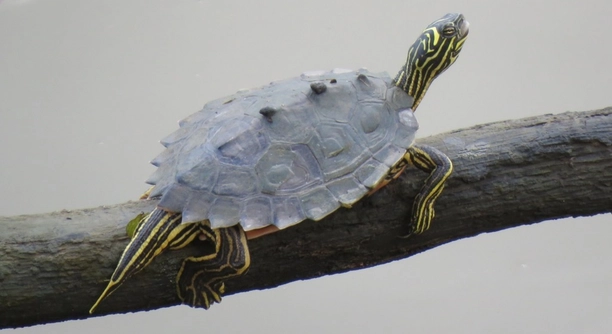
Map turtles need a clean, healthy environment to thrive, and proper filtration plays a huge role in maintaining their tank. Keeping the water clear and free of debris is key to their well-being and comfort.
The simplest way to improve filtration in a map turtle tank is by using a high-quality filter, ensuring it matches the tank’s size and turtle activity. Regular maintenance, like cleaning the filter and replacing media, also helps maintain water quality.
There are simple methods to improve your turtle’s tank filtration system, which will result in clearer water and a healthier living space. These tips will guide you through easy and effective changes for a better tank environment.
Choose the Right Filter for Your Map Turtle Tank
Choosing the right filter is the first step to achieving clear, clean water for your map turtle. It’s essential to match the filter’s power with the tank’s size and turtle activity level. A filter that’s too weak may not handle the waste properly, while a filter that’s too strong might disturb your turtle. Aim for a filter that can circulate the entire volume of the tank at least four times per hour. Canister filters are often the best option, as they offer strong filtration and are quieter than other types. In addition to filtration, consider using a filter with multiple media types like mechanical, biological, and chemical. Mechanical filtration removes debris, biological filtration helps break down waste, and chemical filtration clears out impurities in the water. By getting the right filter, you’ll set a solid foundation for a healthy tank environment.
A powerful filter makes a huge difference in keeping your tank’s water clean. It’s an investment in your turtle’s health.
In addition to the filter itself, maintaining it regularly is just as important. You’ll need to clean the filter’s components every couple of weeks to avoid blockages and keep it running efficiently. Over time, the filter media will get clogged with waste, reducing its ability to keep the water clean. It’s best to replace the filter media every month to ensure the water stays clear and free of harmful chemicals. Be sure to follow the manufacturer’s guidelines when performing maintenance, as neglecting this task can lead to poor water quality. Keep an eye on the water flow rate as well, as a drop in flow often indicates that the filter needs cleaning or the media needs replacing. With consistent maintenance, your filter will continue working effectively and keep your map turtle’s habitat in top condition.
Add a Sponge Filter for Extra Support
A sponge filter can work wonders alongside your main filter. It provides gentle, extra filtration that is ideal for turtles.
Adding a sponge filter gives an additional layer of filtration, particularly in areas that need a more delicate approach to water movement. The sponge provides biological filtration and creates a smooth flow of water.
Clean Your Tank Regularly
Regular tank cleaning is essential for preventing waste buildup. Even with a good filter, debris and uneaten food can accumulate, affecting water quality. A weekly water change is recommended to remove excess waste and ensure your turtle’s habitat stays healthy.
To clean your tank effectively, remove 25-30% of the water each week. Scrub the tank walls to remove algae and wipe down any surfaces that may have accumulated dirt. Use a gentle, non-toxic cleaner, or just warm water to avoid harming your turtle. It’s also a good idea to vacuum the substrate to pull out leftover food and waste. Be sure to check the filter too. Regular maintenance will help keep the tank’s ecosystem in balance.
When you clean the tank, make sure the water temperature stays within a safe range for your turtle. If you change too much water at once or introduce water that’s too cold, it can cause stress or illness. Always keep the new water temperature close to the existing tank temperature to avoid shocking your turtle.
Monitor Water Parameters Closely
Monitoring water parameters is crucial to keeping your turtle’s environment stable. Regularly test the water for pH, ammonia, nitrites, and nitrates.
Invest in a reliable water testing kit to check parameters. If you notice imbalances, such as high ammonia levels, act quickly to fix the problem before it harms your turtle. Adjusting the filtration system or doing more frequent water changes can help correct any issues.
Use a Proper Substrate
The right substrate helps with filtration by trapping debris and promoting biological filtration. Avoid fine gravel or sand that can be ingested by your turtle, which could cause digestive issues. Instead, use larger river rocks or a substrate made specifically for turtles.
A good substrate helps keep the tank cleaner by providing a surface for beneficial bacteria to grow. These bacteria break down waste, improving water quality over time. Make sure the substrate is not too deep, as it can trap debris and make cleaning harder. Regularly vacuum the substrate to keep it free from buildup.
Add Live Plants
Live plants serve as natural filters, absorbing excess nutrients and providing hiding spots for your turtle. They also help maintain healthy water conditions.
Plants like Anubias, Java Fern, and Water Lettuce are great options for map turtle tanks. They thrive in aquatic environments and create a more natural habitat. Make sure to choose plants that can handle your turtle’s activity level, as some plants may get eaten or damaged by your turtle. Keep an eye on the plant’s health and trim any dead or decaying leaves to prevent water contamination.
FAQ
How often should I clean the filter in my turtle tank?
It’s important to clean the filter every two to four weeks, depending on the tank’s size and how many turtles you have. If the filter is clogged with debris, it won’t work efficiently, leading to poor water quality. Cleaning the filter regularly will ensure it’s running at full capacity. In addition, check the filter media monthly and replace it when needed. Always rinse the media with tank water during cleaning to preserve the beneficial bacteria. You don’t want to kill the good bacteria with tap water, as that can harm the tank’s ecosystem.
Can I use a sponge filter with my canister filter?
Yes, adding a sponge filter can be a great complement to your canister filter. It provides additional biological filtration, which is important for breaking down waste in the tank. The sponge filter is also gentle on the water, preventing strong currents that could stress your turtle. It’s especially helpful in tanks with smaller turtles or in tanks that house more delicate aquatic plants. The sponge filter will keep the water clean while also providing a safe space for beneficial bacteria to grow.
What water temperature is best for my map turtle tank?
Map turtles prefer water temperatures between 75-80°F (24-27°C). Keeping the water in this range helps to maintain their metabolism, promoting better digestion and overall health. It’s a good idea to invest in a reliable aquarium heater to maintain the right temperature, especially if you live in cooler climates. Use a thermometer to monitor the water temperature and make sure it doesn’t fluctuate too much. If the temperature gets too high or low, it can lead to stress or illness in your turtle. Always keep a stable temperature to ensure a healthy environment.
What type of substrate should I use for my turtle tank?
The best substrate for a map turtle tank is large river rocks or smooth pebbles. These types of substrates help with filtration by trapping waste and debris. Avoid using sand or small gravel, as turtles may accidentally ingest them, which can lead to digestive issues. Larger rocks provide a stable surface for beneficial bacteria to grow, which helps to break down waste naturally. The substrate should be deep enough to anchor plants and allow for a natural environment but not too deep to cause issues with cleaning. Vacuum the substrate regularly to prevent any buildup.
Do I need to use a UVB light for my map turtle?
Yes, UVB light is essential for map turtles. It helps them produce vitamin D3, which is necessary for calcium absorption and overall bone health. Without UVB lighting, turtles can develop shell deformities or metabolic bone disease. Place a UVB light above the basking area, making sure it’s positioned correctly to provide direct exposure. Change the bulb every six months, as UVB light intensity decreases over time. Turtles need around 10-12 hours of light daily to stay healthy. A good combination of UVB lighting and basking areas will keep your turtle in peak condition.
How do I maintain water quality in my map turtle tank?
Maintaining water quality starts with proper filtration, but there are other steps you should take to keep the water clean. Perform weekly water changes of 25-30% to remove waste, excess food, and toxins. Test the water regularly to check for imbalances in pH, ammonia, nitrites, and nitrates. Ensure the filtration system is suitable for your tank size and turtle activity. Using a sponge filter or adding live plants can also help improve water quality by providing additional filtration. Always be consistent with water changes and monitor the filter to avoid water contamination.
Can I keep more than one map turtle in the same tank?
Yes, you can keep multiple map turtles together, but there are a few things to keep in mind. Make sure the tank is large enough to accommodate them, as map turtles need space to swim and bask. A 75-gallon tank is recommended for two turtles, with an additional 25 gallons per turtle added. Make sure to observe their behavior to ensure they aren’t becoming territorial or aggressive with each other. Some turtles may fight if they feel crowded, so it’s important to monitor them closely, especially when they’re young. Providing enough basking spots and hiding spaces can help reduce stress.
What is the best way to feed my map turtle?
Map turtles are omnivores, so a varied diet is important for their health. Offer them a mix of high-quality commercial turtle pellets, leafy greens, and occasional protein sources like insects, fish, or worms. You can also provide them with live or frozen food like brine shrimp or small fish. Be sure to feed your turtle in a separate container to avoid excess food leftover in the tank, which can affect water quality. Make sure all food is appropriately sized for your turtle, and avoid feeding them too much, as overfeeding can lead to obesity and other health problems.
Maintaining a clean and healthy environment for your map turtle requires a combination of good practices and proper equipment. Starting with a quality filter is key, as it ensures that the water remains clear and safe for your turtle. A well-chosen filter helps remove debris, excess food, and waste, preventing the buildup of harmful toxins. Regular maintenance of the filter, along with routine water changes, will go a long way in keeping your turtle’s tank in optimal condition. It’s important to remember that your turtle’s health depends on a stable and clean environment, which is why regular cleaning and water monitoring are necessary.
Adding extra support like a sponge filter or live plants can also improve the overall quality of the water. While the main filter handles the bulk of waste removal, a sponge filter provides additional biological filtration and a smooth water flow. Live plants, on the other hand, contribute by absorbing excess nutrients and providing a more natural habitat. They also create hiding spots for your turtle, which can help reduce stress. These additions may seem small, but they make a big difference in maintaining a healthy tank ecosystem. Plus, they add an aesthetic touch that makes the tank more visually pleasing.
Lastly, it’s important to remember that turtles, like any pets, require regular attention and care. Keeping an eye on water parameters, monitoring your turtle’s behavior, and ensuring they have enough space to roam and bask are essential parts of the process. While it may take time and effort to set up the right filtration system, the payoff is worth it when you see your turtle happy and healthy in a well-maintained tank. By following these simple hacks and being consistent with care, you’ll provide your map turtle with the environment it needs to thrive.

Hello,
If you enjoy the content that we create, please consider saying a "Thank You!" by leaving a tip.
Every little bit helps us continue crafting quality advice that supports the health, happiness, and well-being of pets around the world, for pets of all shapes, sizes, and species.
We really appreciate the kindness and support that you show us!