
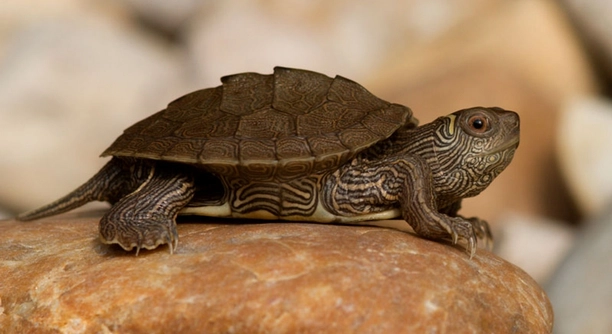
Choosing the right map turtle species for your tank is essential for their well-being and your enjoyment. With many species available, knowing how to select the best fit can seem overwhelming. Here’s how to make the process easier.
The key to choosing the right map turtle species is considering the size, environment, and care needs. Each species has specific requirements regarding water temperature, tank size, and diet, which will influence their overall health and happiness.
Selecting the proper species will ensure your turtle thrives in its new home. This guide will help you find the perfect match based on your preferences and care capabilities.
Understanding Map Turtle Species
When selecting a map turtle species, it’s important to consider the type that best suits your tank size and maintenance routine. Some species, like the Northern Map Turtle, grow larger and need more space, while others, like the Mississippi Map Turtle, stay smaller. The size of your tank and the time you can dedicate to their care should be a top priority when making this decision. Map turtles also have varying temperature, filtration, and lighting requirements. Knowing these can help ensure a healthy environment for your new turtle.
Map turtles can thrive in different environments but need consistent care. Depending on your living situation, some species may be easier to maintain than others. It’s crucial to consider your local climate and how much space you can offer.
A balanced setup includes proper water depth, basking spots, and a filtration system that can handle their waste. If you opt for a larger species, such as the Southern Map Turtle, it’s important to ensure you have the space to meet its needs. Some turtles also enjoy specific diets, so it’s vital to research their food preferences. Keep in mind that proper tank maintenance and diet will go a long way in keeping your turtle healthy for years to come.
Size and Space Considerations
Choosing a map turtle species also means considering the space available for them. Larger species need more room to swim and explore.
The larger the species, the larger the tank you will need. For example, species like the Alabama Map Turtle require tanks that are at least 75 gallons, whereas smaller species like the Mississippi Map Turtle can live happily in a 40-gallon tank. It’s essential to plan ahead for this as the tank should provide enough space for both swimming and basking.
Tank Environment and Setup
Map turtles need clean, well-maintained tanks to thrive. Filtration is essential to keep the water free from waste and debris. A quality filter ensures a healthy habitat and reduces the frequency of tank cleanings.
Ensure the tank has both water and dry areas. A basking spot should be provided for sunbathing and drying off. UVB lighting is crucial for map turtles to stay healthy and regulate their calcium intake. The temperature should be kept consistent, with warmer water and basking areas. By maintaining these elements, your map turtle will have a comfortable and sustainable environment.
Map turtles are semi-aquatic, so they need both a water area deep enough for swimming and a dry area to rest. For water, ensure it’s deep enough to allow your turtle to submerge fully. In the dry area, provide a smooth surface for basking. These elements promote natural behavior and overall health.
Diet and Feeding
Map turtles are omnivores, eating a mix of plant matter and protein. Offering a varied diet helps them stay healthy.
In the wild, map turtles eat insects, fish, aquatic plants, and algae. In captivity, you can feed them commercially available pellets designed for turtles. Supplement their diet with leafy greens, such as collard greens or dandelion leaves, and offer occasional protein sources like worms or shrimp. Ensure that the food is cut into manageable pieces to avoid choking. A balanced diet will help your turtle stay active and maintain a healthy shell.
Health and Wellness
Map turtles require regular check-ups to ensure they’re in good health. Look for signs of illness such as lethargy, loss of appetite, or shell discoloration. A vet who specializes in reptiles can provide guidance on maintaining your turtle’s health.
Proper tank hygiene is key to preventing illness. Regular water changes and keeping the basking area clean help reduce the risk of infections. You should also monitor your turtle for signs of shell rot or fungal infections, which can occur in dirty environments. By maintaining a clean tank and healthy diet, you reduce these risks.
Social Behavior
Map turtles are not particularly social and prefer solitary living. However, they may tolerate other turtles in a larger space.
While map turtles can live together in groups, it’s essential to have enough space for each turtle to claim its own territory. Too many turtles in a small area can lead to aggression. If you have more than one, make sure each has a basking spot and enough swimming space.
FAQ
What size tank do map turtles need?
The size of the tank depends on the species. Smaller species like the Mississippi Map Turtle need a tank of at least 40 gallons. Larger species, such as the Alabama Map Turtle, require tanks of 75 gallons or more. It’s important to remember that map turtles need space to swim and bask. Make sure the tank is large enough for your turtle to move comfortably. Keep in mind that the more room you can provide, the healthier your turtle will be.
Can I keep more than one map turtle together?
Yes, map turtles can be kept together, but only if the tank is large enough. They are generally solitary animals, and aggression can occur if space is too limited. If you do decide to keep multiple turtles, ensure each has enough space to swim and bask without interference. In larger tanks, you may find they tolerate each other better, but always monitor their behavior, especially during feeding times.
Do map turtles need special lighting?
Yes, map turtles require UVB lighting to help them synthesize vitamin D3, which is necessary for calcium absorption. Without UVB light, turtles can develop shell deformities or metabolic bone disease. The light should be on for 10 to 12 hours per day, simulating natural sunlight. Ensure the UVB light is positioned above the basking area, as this is where your turtle will absorb it most effectively.
How often should I clean my map turtle’s tank?
Regular tank maintenance is crucial for your turtle’s health. It’s recommended to perform partial water changes once a week, replacing 20-30% of the water. A full tank cleaning, including washing the substrate and cleaning the filter, should be done every 4 to 6 weeks. Always monitor the water quality with a test kit to ensure it remains safe for your turtle.
What do map turtles eat?
Map turtles are omnivores, meaning they eat both animal and plant matter. Their diet should include commercial turtle pellets, along with leafy greens such as collard greens or dandelion leaves. You can also offer occasional protein sources, such as earthworms, crickets, or shrimp. It’s important to provide a balanced diet to keep your turtle healthy and active.
How long do map turtles live?
Map turtles can live up to 20 to 30 years in captivity, with proper care. Their lifespan can vary depending on the species and the quality of care they receive. A clean tank, proper diet, and regular check-ups will help ensure that your turtle lives a long and healthy life.
What temperature should the water be for map turtles?
Map turtles thrive in water temperatures between 75°F and 80°F (24°C to 27°C). The basking area should be warmer, around 85°F to 90°F (29°C to 32°C). This range helps your turtle stay active, healthy, and able to digest food properly. A reliable water heater and thermometer are important for maintaining these temperatures consistently.
Do map turtles hibernate?
Map turtles do not hibernate in the same way some other species do, but they may go through a period of reduced activity in colder temperatures. If you live in an area with a cold winter, it’s important to keep your turtle’s tank at the right temperature year-round. If temperatures drop too low, your turtle’s metabolism will slow, and it may become lethargic.
Can map turtles be handled?
Map turtles are not particularly social and can get stressed from handling. While it’s okay to gently pick them up for cleaning or tank maintenance, it’s best to avoid excessive handling. They may bite if they feel threatened. Let your turtle explore and enjoy its environment without too much interference to ensure it remains healthy and stress-free.
Do map turtles need a filter?
Yes, a filter is essential for keeping the water clean and safe for your turtle. Map turtles produce a lot of waste, and a high-quality filtration system helps remove debris and bacteria, maintaining the water quality. A good filter will also help reduce the frequency of tank cleanings, making maintenance easier for you.
Final Thoughts
Choosing the right map turtle species for your tank is a decision that requires careful thought and planning. It’s important to understand each species’ needs, such as their size, diet, and the amount of space they require. Smaller species, like the Mississippi Map Turtle, are easier to manage in a standard-sized tank, while larger species need significantly more room. Knowing the specific needs of your chosen turtle species will help you provide a healthier and more comfortable environment. Proper research before acquiring a turtle can ensure you meet its physical, dietary, and environmental requirements.
Providing a suitable living space is essential for your turtle’s well-being. The tank size should be appropriate for your turtle’s growth, and it should include both aquatic and dry areas. A basking spot and the right water temperature are vital for your turtle’s health. The tank should be equipped with a filtration system to keep the water clean, reducing the chances of illness. Regular maintenance, including water changes and cleaning, will help keep your turtle healthy. Lighting is also important, as map turtles need UVB light for their calcium absorption. Without it, they can develop health issues like metabolic bone disease.
By understanding the map turtle’s basic needs and following these guidelines, you can create a stable and healthy environment. Their diet should be balanced, combining commercial pellets with fresh vegetables and occasional protein. Regularly check for signs of illness and provide care as needed. With the right care, your map turtle can live a long and healthy life in its new home. Whether you are a beginner or an experienced turtle owner, ensuring you provide proper care will lead to a rewarding experience with your map turtle.

Hello,
If you enjoy the content that we create, please consider saying a "Thank You!" by leaving a tip.
Every little bit helps us continue crafting quality advice that supports the health, happiness, and well-being of pets around the world, for pets of all shapes, sizes, and species.
We really appreciate the kindness and support that you show us!